If you buy through our links, Amazon pays us a small commission at no extra cost to you. That’s how we keep the site running. How we choose.
A tank of around 50 gallons (200 L) lets you keep fish that simply do not fit smaller setups. This list is calculated from our species database and shows fish whose minimum tank size is more than 80 litres (about 20 gallons) and no more than 200 litres, so it focuses on medium and larger species rather than nano fish.
Here you will find angelfish, rainbowfish, many African cichlids, severums, larger loaches, gouramis and robust schooling fish. These are fish that need either swimming length, territory or both.
- Community with angelfish: a group of angelfish with robust tetras, corydoras and a bristlenose pleco.
- Rainbowfish tank: a large school of one or two species with open swimming space.
- Malawi biotope: mbuna or peacocks with plenty of rockwork and hard water (never mixed with soft-water community fish).
Bigger fish mean more waste, so plan a filter rated well above the tank volume (a canister is common at this size) and a heater of roughly 150-250 W, or two smaller ones. As always, the list only filters by size: check compatibility, and remember that some fish here grow slowly and look small in the store.
50 gallon tank
| Species | Min. liters | Size | Temp. | Difficulty |
|---|---|---|---|---|
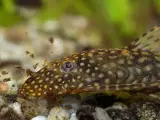 Bristlenose pleco Ancistrus sp. | 26 gal (100 L) | 5.1 in (13 cm) | 72–81 °F (22–27 °C) | Easy |
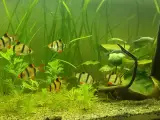 Tiger barb Puntigrus tetrazona | 26 gal (100 L) | 2.4 in (6 cm) | 72–79 °F (22–26 °C) | Easy |
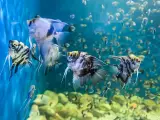 Angelfish Pterophyllum scalare | 53 gal (200 L) | 5.9 in (15 cm) | 75–84 °F (24–29 °C) | Moderate |
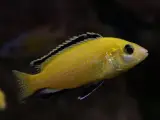 Yellow lab cichlid Labidochromis caeruleus | 53 gal (200 L) | 3.9 in (10 cm) | 75–82 °F (24–28 °C) | Moderate |
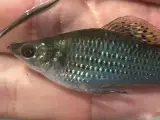 Molly Poecilia sphenops | 26 gal (100 L) | 3.1 in (8 cm) | 75–82 °F (24–28 °C) | Easy |
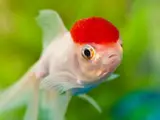 Oranda goldfish Carassius auratus | 40 gal (150 L) | 7.1 in (18 cm) | 59–75 °F (15–24 °C) | Moderate |
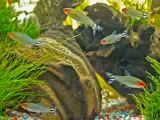 Rummy-nose tetra Hemigrammus rhodostomus | 26 gal (100 L) | 1.8 in (4.5 cm) | 75–82 °F (24–28 °C) | Moderate |
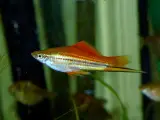 Swordtail Xiphophorus hellerii | 32 gal (120 L) | 4.7 in (12 cm) | 72–81 °F (22–27 °C) | Easy |
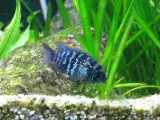 Blue acara Andinoacara pulcher | 53 gal (200 L) | 5.9 in (15 cm) | 72–82 °F (22–28 °C) | Easy |
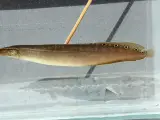 Peacock eel Macrognathus siamensis | 53 gal (200 L) | 9.8 in (25 cm) | 73–82 °F (23–28 °C) | Moderate |
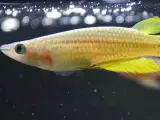 Golden wonder killifish (striped panchax) Aplocheilus lineatus | 26 gal (100 L) | 3.9 in (10 cm) | 72–81 °F (22–27 °C) | Easy |
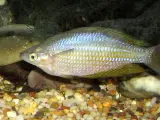 Eastern rainbowfish (splendid rainbowfish) Melanotaenia splendida | 53 gal (200 L) | 4.3 in (11 cm) | 72–82 °F (22–28 °C) | Easy |
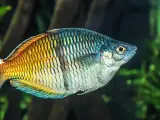 Boeseman's rainbowfish Melanotaenia boesemani | 53 gal (200 L) | 3.9 in (10 cm) | 77–84 °F (25–29 °C) | Moderate |
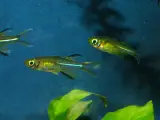 Celebes rainbowfish Marosatherina ladigesi | 26 gal (100 L) | 2.8 in (7 cm) | 75–82 °F (24–28 °C) | Moderate |
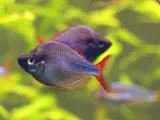 Dwarf neon rainbowfish Melanotaenia praecox | 32 gal (120 L) | 2.4 in (6 cm) | 75–82 °F (24–28 °C) | Easy |
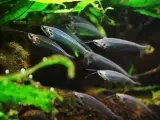 Glass catfish Kryptopterus vitreolus | 32 gal (120 L) | 2.6 in (6.5 cm) | 72–79 °F (22–26 °C) | Moderate |
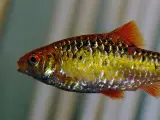 Gold barb Barbodes semifasciolatus | 26 gal (100 L) | 2.8 in (7 cm) | 64–75 °F (18–24 °C) | Easy |
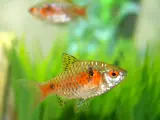 Odessa barb Pethia padamya | 26 gal (100 L) | 2.4 in (6 cm) | 68–79 °F (20–26 °C) | Easy |
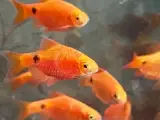 Rosy barb Pethia conchonius | 40 gal (150 L) | 3.9 in (10 cm) | 64–77 °F (18–25 °C) | Easy |
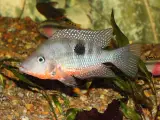 Firemouth cichlid Thorichthys meeki | 53 gal (200 L) | 5.9 in (15 cm) | 75–84 °F (24–29 °C) | Easy |
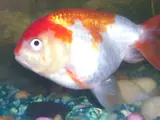 Lionhead goldfish (ranchu) Carassius auratus | 32 gal (120 L) | 5.9 in (15 cm) | 59–75 °F (15–24 °C) | Moderate |
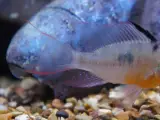 Bolivian ram Mikrogeophagus altispinosus | 26 gal (100 L) | 3.1 in (8 cm) | 72–79 °F (22–26 °C) | Easy |
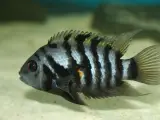 Convict cichlid Amatitlania nigrofasciata | 40 gal (150 L) | 4.7 in (12 cm) | 72–82 °F (22–28 °C) | Easy |
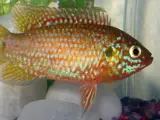 Jewel cichlid Hemichromis bimaculatus | 53 gal (200 L) | 4.7 in (12 cm) | 72–82 °F (22–28 °C) | Moderate |
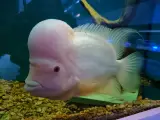 Blood parrot cichlid Amphilophus hybrid | 53 gal (200 L) | 7.9 in (20 cm) | 75–82 °F (24–28 °C) | Easy |
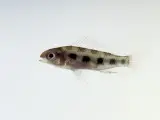 Chessboard cichlid Dicrossus filamentosus | 26 gal (100 L) | 3.1 in (8 cm) | 77–84 °F (25–29 °C) | Difficult |
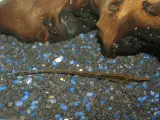 Twig catfish Farlowella vittata | 26 gal (100 L) | 5.9 in (15 cm) | 75–81 °F (24–27 °C) | Moderate |
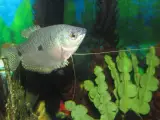 Blue gourami Trichopodus trichopterus | 32 gal (120 L) | 4.7 in (12 cm) | 72–82 °F (22–28 °C) | Easy |
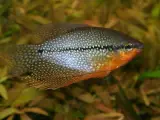 Pearl gourami Trichopodus leerii | 32 gal (120 L) | 4.3 in (11 cm) | 75–82 °F (24–28 °C) | Easy |
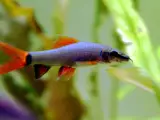 Rainbow shark Epalzeorhynchos frenatum | 53 gal (200 L) | 4.7 in (12 cm) | 72–81 °F (22–27 °C) | Moderate |
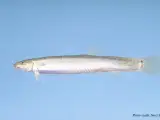 Dojo loach Misgurnus anguillicaudatus | 53 gal (200 L) | 7.9 in (20 cm) | 50–75 °F (10–24 °C) | Easy |
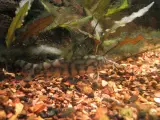 Yoyo loach Botia almorhae | 53 gal (200 L) | 5.1 in (13 cm) | 75–82 °F (24–28 °C) | Moderate |
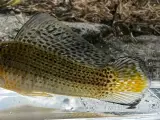 Sailfin molly Poecilia latipinna | 40 gal (150 L) | 3.9 in (10 cm) | 72–82 °F (22–28 °C) | Moderate |
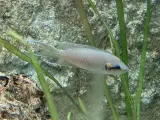 Princess cichlid Neolamprologus brichardi | 40 gal (150 L) | 3.5 in (9 cm) | 73–81 °F (23–27 °C) | Moderate |
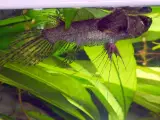 African butterflyfish Pantodon buchholzi | 32 gal (120 L) | 3.9 in (10 cm) | 75–84 °F (24–29 °C) | Moderate |
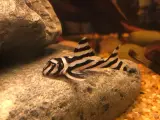 Zebra pleco (L046) Hypancistrus zebra | 26 gal (100 L) | 3.1 in (8 cm) | 79–88 °F (26–31 °C) | Difficult |
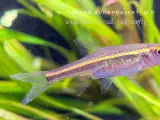 Red-line rasbora Rasbora pauciperforata | 26 gal (100 L) | 2.4 in (6 cm) | 73–82 °F (23–28 °C) | Moderate |
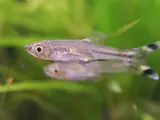 Scissortail rasbora Rasbora trilineata | 40 gal (150 L) | 4.7 in (12 cm) | 72–79 °F (22–26 °C) | Easy |
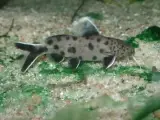 Synodontis petricola Synodontis petricola | 53 gal (200 L) | 4.3 in (11 cm) | 73–81 °F (23–27 °C) | Moderate |
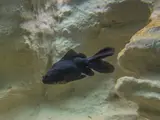 Telescope goldfish Carassius auratus | 32 gal (120 L) | 5.9 in (15 cm) | 59–75 °F (15–24 °C) | Moderate |
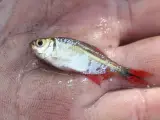 Buenos Aires tetra Hyphessobrycon anisitsi | 40 gal (150 L) | 2.8 in (7 cm) | 64–79 °F (18–26 °C) | Easy |
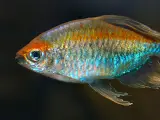 Congo tetra Phenacogrammus interruptus | 53 gal (200 L) | 3.1 in (8 cm) | 75–82 °F (24–28 °C) | Moderate |
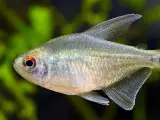 Diamond tetra Moenkhausia pittieri | 26 gal (100 L) | 2.4 in (6 cm) | 75–82 °F (24–28 °C) | Easy |
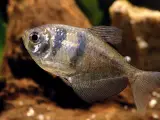 Black skirt tetra Gymnocorymbus ternetzi | 26 gal (100 L) | 2.2 in (5.5 cm) | 70–81 °F (21–27 °C) | Easy |
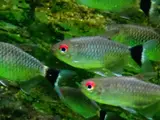 Red eye tetra Moenkhausia sanctaefilomenae | 26 gal (100 L) | 2.4 in (6 cm) | 72–82 °F (22–28 °C) | Easy |
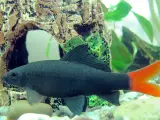 Red tail shark Epalzeorhynchos bicolor | 53 gal (200 L) | 4.7 in (12 cm) | 72–79 °F (22–26 °C) | Moderate |
No species match those filters.
Frequently asked questions
How many fish can live in a 50 gallon tank?
It depends heavily on adult size. A 50 gallon tank might hold several schools of small fish, or only a handful of large cichlids. Use the stocking calculator with your exact species.
Can I keep an oscar in a 50 gallon tank?
Not long term. Oscars grow to 12 inches (30 cm) or more and need about 75 gallons (300 L) or larger.
What filter do I need for 50 gallons?
Aim for a turnover of 3 to 5 times the volume per hour, more with large cichlids. A canister or a large hang-on-back filter is usual.
