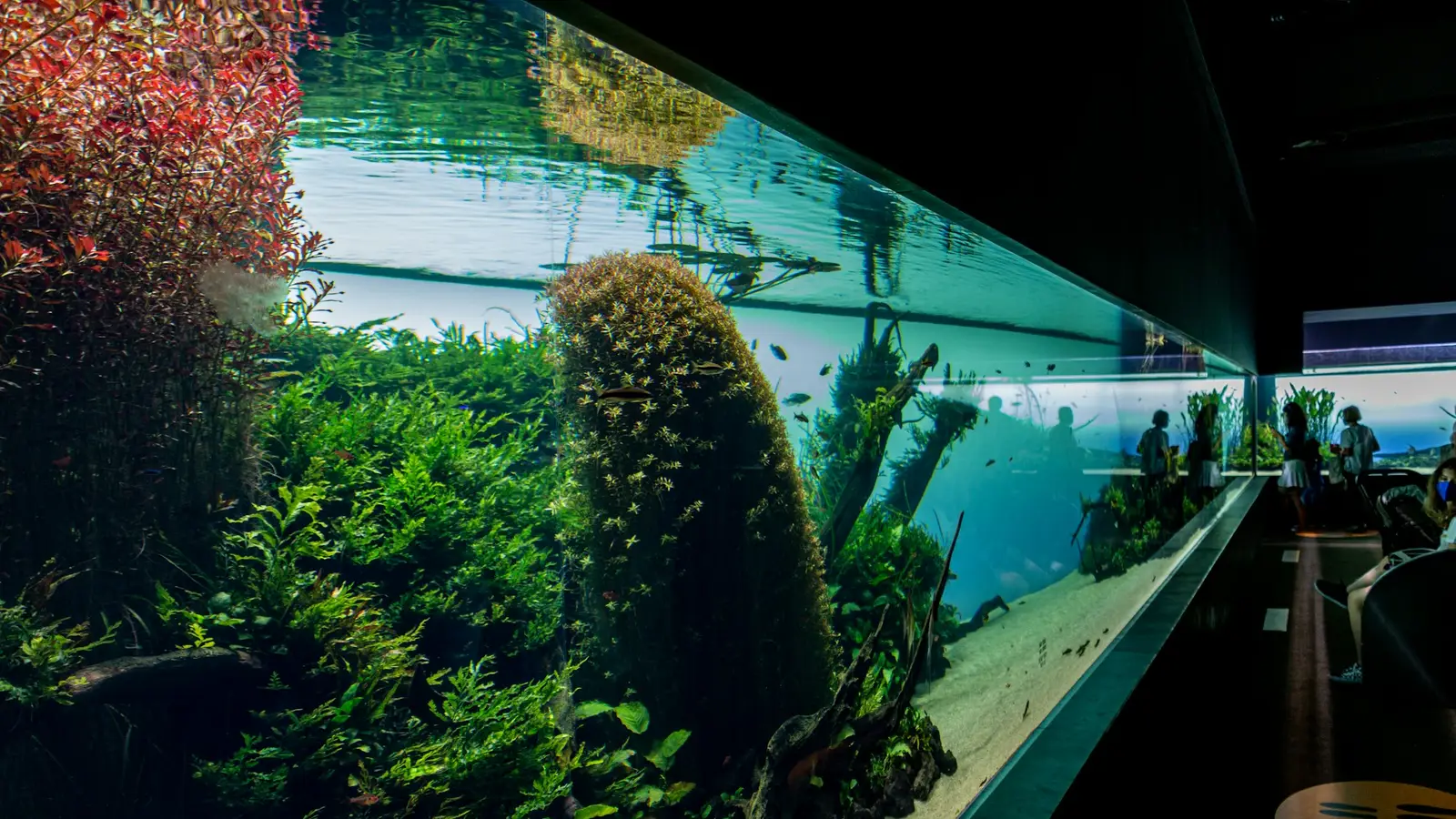
CO₂, fertilizers & aquascaping
Everything for planted tanks: CO₂ kits, liquid and root tab fertilizers, nutrient substrates and aquascaping tools (tweezers, scissors, spatulas).
4 comparisons
co₂, fertilizers & aquascaping comparisons
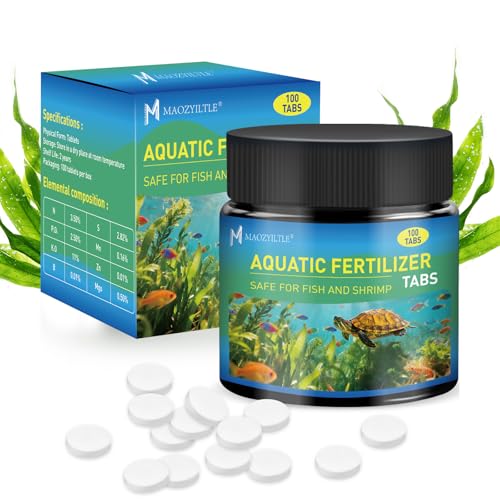 Aquarium plant fertilizers A planted tank needs more than light: nitrogen, phosphorus, potassium, iron and trace elements in the right balance. The right fertilizer grows plants; too much or the wrong mix just feeds algae. See comparison →
 Aquascaping tools Planting a carpet with your fingers or trimming stems with kitchen scissors ends with floating plants and stirred-up substrate. A pair of long tweezers, curved scissors and a spatula in stainless steel completely changes planted tank maintenance. See comparison →
 Aquarium CO₂ systems CO₂ is the accelerator of a planted tank: denser growth, brighter colors and fewer algae when it is dialed in. Too much, though, can suffocate your fish, so it pays to pick the right system and learn to measure it. See comparison →
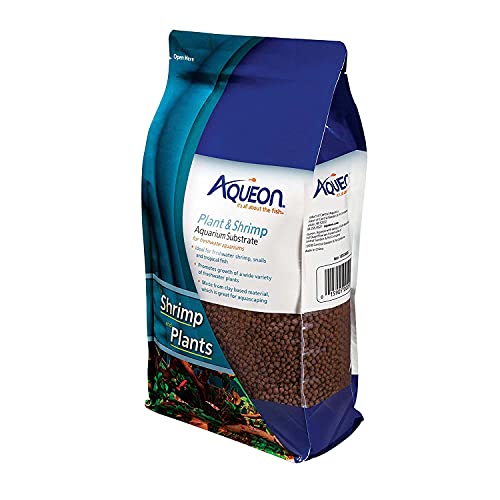 Planted aquarium substrates Substrate is the pantry for root-feeding plants and the hardest thing to change later. Choosing between active aquasoil and inert gravel over a nutrient layer shapes your water, plants and fish for years. See comparison →
Best sellers right now
Guides to help you choose
Planted Tank for Beginners: Light, Substrate, Fertilizer How to start a planted aquarium: lighting, substrate, fertilizers, whether you need CO2, easy plants, trimming and the balance that stops algae. Aquarium Algae: Types, Causes and How to Get Rid of Them How to identify aquarium algae (green spot, hair, black beard, diatoms, cyanobacteria, green water) and get rid of it by fixing light and nutrient balance first. CO2 in a Planted Tank: When You Need It and How to Set It CO2 guide for planted tanks: when you need it, pressurized vs DIY yeast vs liquid carbon, diffusers, drop checkers, bubbles per second and keeping your fish safe.