If you buy through our links, Amazon pays us a small commission at no extra cost to you. That’s how we keep the site running. How we choose.
Contents
One day you spot a tiny snail on the glass, and three weeks later there are dozens everywhere: on the leaves, on the filter intake, buried in the gravel. It is one of the most common questions from new fishkeepers, and it almost always has the same explanation. So-called pest snails are not dangerous to fish, and in moderate numbers they even help, but a population explosion is a clear sign that something in your routine is off. This guide covers the most common species, why they multiply, how to bring numbers down without harsh chemicals, and how to stop them from coming back.
The short version: snails do not appear out of nowhere, and they cannot multiply without food. If you have lots of them, you are feeding too much. Cut back on food, vacuum the gravel, remove snails by hand or with traps, and quarantine new plants. Within two or three weeks the population drops on its own.
The three most common pest snails
Nearly every "snail that came out of nowhere" belongs to one of three groups. They hitchhike as eggs or babies on live plants, in gravel from another tank, or even in the water from the store bag. Knowing which one you have helps you pick the right approach.
| Snail | How to recognize it | Reproduction | What it does for you |
|---|---|---|---|
| Ramshorn snail | Flat, coiled shell in brown, red or bluish tones; about 0.4-0.8 in (1-2 cm) | Hermaphrodite; lays jelly discs of eggs on leaves and glass | Eats soft algae, leftover food and dead leaves |
| Bladder snail (Physa) | Small, thin, translucent shell that coils to the left; moves quickly | Hermaphrodite and extremely prolific; jelly egg masses | Cleans up debris, but it is the fastest to explode |
| Malaysian trumpet snail (MTS) | Long, cone-shaped shell; stays buried by day and comes out at night | Gives birth to live young; no visible egg clutches | Turns over the substrate and prevents stagnant pockets |
None of the three eats healthy plants under normal conditions. If you see snails on a melting leaf, the leaf was usually dying already and they are just cleaning it up.
Why they explode: it is all about food
A hermaphroditic snail can lay dozens of eggs every few days, but the population can only grow as far as the available food allows. That is why a tank with five snails one month and five hundred the next nearly always has one of these causes:
- Overfeeding: whatever the fish do not finish in 2-3 minutes sinks to the bottom and feeds the snails. This is by far the main cause.
- Dirty substrate: debris trapped in the gravel and behind decorations, especially if you skip gravel vacuuming during water changes.
- Struggling plants: leaves melting from too little light or nutrients are a buffet.
- Too much soft algae: strong light or high phosphate creates an algae film that is food too.
- No predators or competition: in a typical community tank, nothing eats small snails.
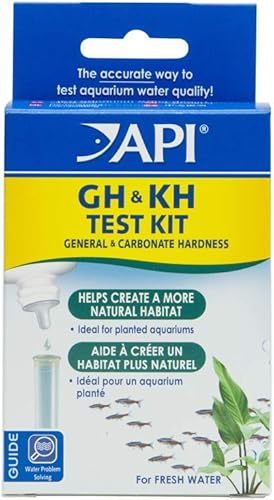
Seen this way, a snail outbreak is a useful warning light: more organic matter is going in than the tank needs, and that usually comes with high nitrate. It is worth checking with a |water test kit and reviewing your portions with our guide on how much and how often to feed fish.
How to bring the population down step by step
The realistic goal is not total eradication (very hard and rarely necessary) but getting back to a handful of snails that act as a cleanup crew. Combine several methods at once:
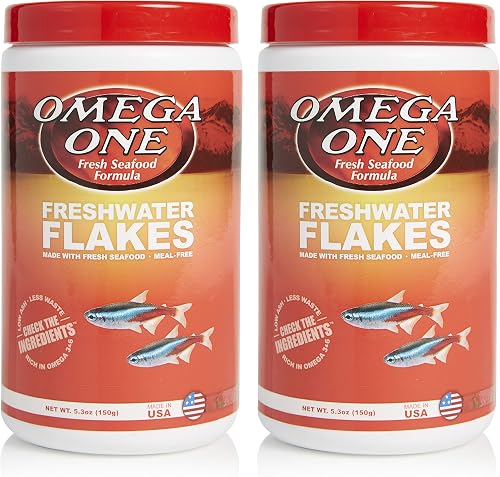
- Cut out excess food. Feed only what is eaten in 2-3 minutes, once or twice a day, with one fasting day a week. Without this step, everything else is temporary.
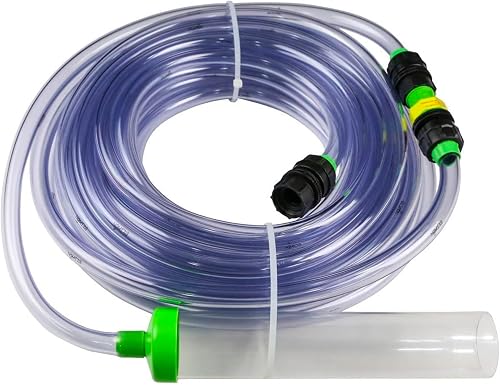
- Vacuum the gravel at every water change. A gravel vacuum removes leftover food and plenty of snails and eggs along with it. Keep up your usual 20-30% weekly water change.
- Remove them by hand. At night, after the lights have been off for a while, far more of them come out. Pick them off by hand or with a net, and scrape jelly egg clutches off the glass.
- Use a lettuce or zucchini trap. Blanch a lettuce leaf or a slice of zucchini for a minute, let it cool and place it on the bottom overnight (weighted down or held with a clip). By morning it will be covered in snails: lift it out carefully inside a cup. Repeat every night for one to two weeks. Commercial plastic snail traps work the same way with bait inside.
- Clean up algae and dead plant matter. Trim damaged leaves and keep the light at 6-8 hours a day so you are not feeding snails with algae.
Bait trick: a sinking wafer for bottom feeders inside a trap or a jar laid on its side attracts a crowd of snails in a few hours. Take it out in the morning even if it is not finished, so you do not add more food to the system.
Assassin snails and snail-eating fish
The assassin snail (Anentome helena) feeds on other snails and is the most popular biological fix. It works, but you should know what you are signing up for:
- It is slow: it takes weeks or months to make a visible difference, so it makes more sense as long-term control than as an emergency fix.
- It cannot tell pest snails from snails you want: it may also eat small nerite snails or other ornamental species.
- Once the snails are gone it needs other protein (sinking wafers, frozen food). It is not a disposable pet.
- It breeds slowly, so it rarely becomes a new pest, but add too many and you will end up with a surplus.
Two to four assassin snails are enough for a 15-25 gallon (60-100 L) tank. They generally get along with adult shrimp, although they may take a weak or freshly molted one.
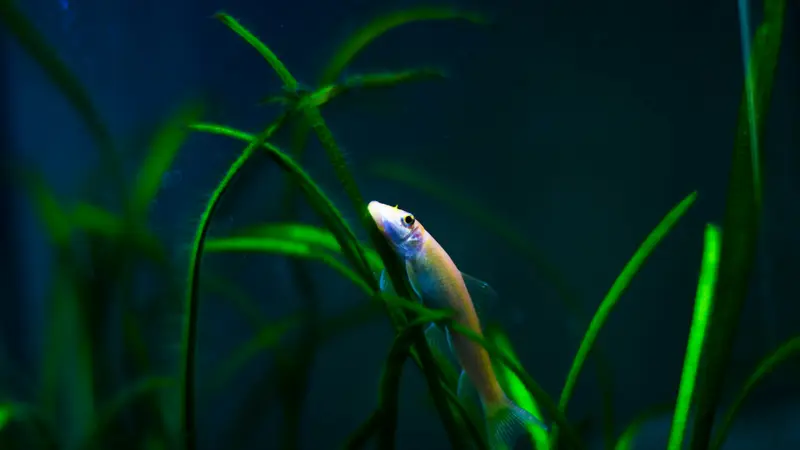
Some fish eat snails too, but they only make sense if they suit your tank in their own right, not as a "tool". Small loaches such as the |dwarf chain loach need a group and room to swim, and the |pea puffer is territorial and nips fins, so it needs a tank of its own. The often-recommended clown loach grows far too large for most home aquariums.
Why to avoid copper-based snail killers
Many aquarium "snail killer" products contain copper or other compounds that are toxic to mollusks. They look like the quick fix, but they carry serious risks:
Be careful with copper: it is lethal to shrimp and other invertebrates even at very low doses, and it binds to silicone, substrate and decorations for months. If you keep, or plan to keep, |cherry shrimp or any other shrimp, do not use it. On top of that, killing hundreds of snails at once leaves bodies rotting in the gravel, which triggers an ammonia spike that can kill your fish as well.
If you still decide to use a treatment, move invertebrates out first, remove dead snails every day, test ammonia and nitrite, and do generous water changes. Remember that if you do not fix the overfeeding, the snails return as soon as the product wears off. If shrimp interest you, our shrimp tank guide explains why they are so sensitive to metals and medications.
Prevention: quarantine your plants
Most snails arrive on plants. A single egg clutch stuck to a leaf is enough to start a colony. To avoid it:
- Choose tissue-culture plants (grown in cups of gel): they arrive free of snails, algae and pesticides.
- Inspect every plant under good light before adding it, including the undersides of leaves and the roots. Remove rock wool and pots.
- Quarantine for 2-4 weeks in a bucket or tub with tank water and some light: any eggs will hatch and you will spot snails before they reach your display tank.
- Rinse plants and roots well in dechlorinated water. Disinfecting dips exist but can damage delicate species; use them only on hardy plants and follow the dilution carefully.
- Do not share nets, gravel or decorations between tanks without cleaning them.
And one rule for animal welfare and the law: never dump snails, plants or aquarium water into streams, storm drains or ponds. Several aquatic species have become invasive exactly that way.
Common mistakes
- Adding more food "so the snails get some too": it only speeds up the outbreak.
- Using copper snail killers in a tank with shrimp: it kills them and contaminates the tank for months.
- Crushing snails and leaving them in: they feed the rest and foul the water.
- Buying a fish just because it eats snails without checking its adult size, temperament and needs.
- Leaving the lettuce trap in for days: it rots and makes water quality worse.
- Chasing zero snails at any cost: a few are useful and a sign of a living tank.
If you want cleanup helpers that do not multiply, take a look at our guide to |fish and invertebrates that clean the aquarium.
Recommended gear for this guide
Frequently asked questions
Do pest snails harm fish?
No. Ramshorn, bladder and Malaysian trumpet snails do not attack fish and rarely eat healthy plants. The problem is mostly cosmetic and what they signal: huge numbers mean there is too much food or debris in the tank, which usually comes with high nitrate.
How long does it take to control a snail outbreak?
By cutting back on food, vacuuming the gravel and setting traps every night, numbers usually drop a lot within two or three weeks. Assassin snails take longer, often several months, and are best for keeping the population in check over time.
Do assassin snails eat shrimp?
They generally leave healthy adult shrimp alone, but they may take a weak or freshly molted one. They will eat other snails you might want to keep, such as small nerites, so think it over before adding them.
Can I use a snail killer if I have shrimp?
It is not recommended. Most contain copper or other substances that are lethal to shrimp and invertebrates, and copper stays bound in the tank for months. Controlling food, vacuuming and trapping are safer options.
How can I tell if a plant has snails on it?
Look for clear jelly egg clutches on the undersides of leaves and tiny snails among the roots. They are easy to miss, so the safest choice is buying tissue-culture plants or keeping new plants in a separate quarantine tub for two to four weeks.
You may also like
- GuideCloudy Aquarium Water: White, Green or Brown and How to Clear It
- GuideAquarium Algae: Types, Causes and How to Get Rid of Them
- GuideAquarium Fish Diseases: Symptoms, Causes and What to Do
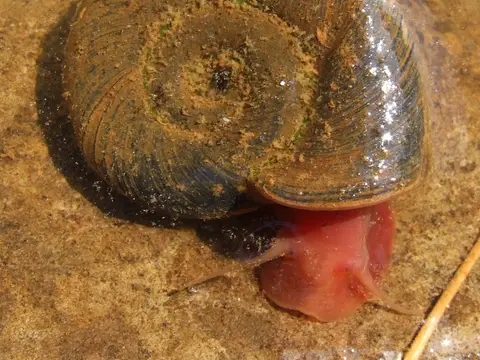 ProfileRamshorn snail (great ramshorn)
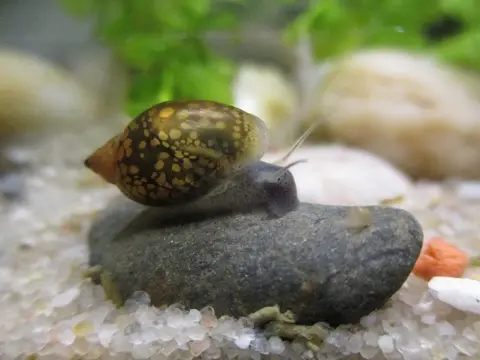 ProfileBladder snail
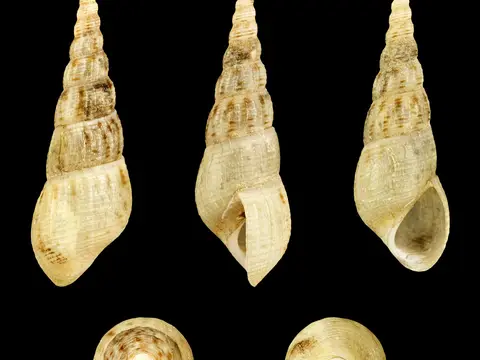 ProfileMalaysian trumpet snail
- Gear reviewAquarium gravel vacuums
- Gear reviewFish flakes and micro pellets
Water care & maintenance → See all guides → Complete aquarium guide →