If you buy through our links, Amazon pays us a small commission at no extra cost to you. That’s how we keep the site running. How we choose.
Contents
Overview
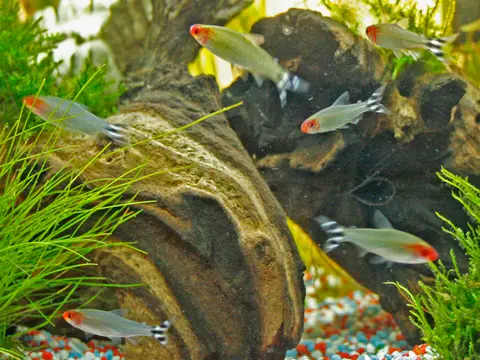
The rummy-nose tetra gets its name from its bright red head, which contrasts with a silvery body and a tail striped in black and white. It reaches about 1.8 inches (4.5 cm) and comes from soft-water rivers in the Brazilian and Venezuelan Amazon. Three very similar species are sold under this name (Hemigrammus rhodostomus, H. bleheri and Petitella georgiae), and their care is practically identical.
It is one of the tightest schooling fish in the hobby, swimming in close formation like a little squadron. Its head also works as a water-quality alarm: when the red fades, something is wrong. It is ideal for hobbyists with some experience and a stable planted tank.
Care and tank setup
Rummy-noses are very active and need swimming room: at least 26 gallons (100 L), with a tank about 32 inches (80 cm) long, for a school of ten. Use efficient filtration without strong current and a heater, since they are sensitive to nitrate buildup and cool water.
- Aquascape: plants along the sides and back, driftwood and an open central swimming area. Dim light and leaf litter deepen the red.
- Tank mates: excellent with corydoras, rams, Apistogramma, other calm tetras, small gouramis and discus.
- School size: in groups smaller than eight they lose their schooling behavior and turn shy.
Common mistakes: adding them to a newly set-up tank, skipping water changes for weeks or keeping them in very hard water. If the nose stays pale, test ammonia, nitrite, nitrate and temperature. Never release them into the wild.
Feeding
An omnivore that prefers animal protein. It accepts quality flakes, micro pellets and powdered foods, which you should supplement several times a week with frozen or live brine shrimp, daphnia, bloodworms or cyclops. It feeds mostly in mid-water, so spread the food so the whole school gets a share. Two small meals a day are plenty.
Breeding
Rummy-noses scatter their eggs among fine plants and give no care; the parents will eat them given the chance. Breeding is considered difficult: you need a separate tank with very soft, acidic water, dim lighting, moss or a protective mesh, and well-conditioned adults. The eggs hatch in one to two days and the fry need infusoria. In a community tank, fry are rare.
Compatible tank mates
Species from our database that share water parameters, size and temperament with the Rummy-nose tetra. Calculated from the data in each profile.
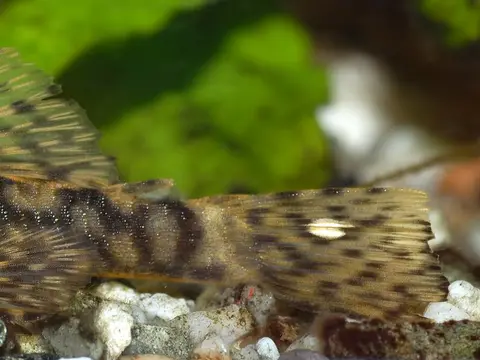 Bristlenose pleco Ancistrus sp. 26 gal (100 L) · 72–81 °F (22–27 °C)
 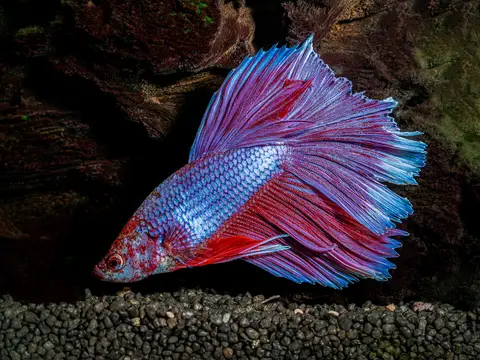 Betta fish Betta splendens 7 gal (25 L) · 75–82 °F (24–28 °C)
 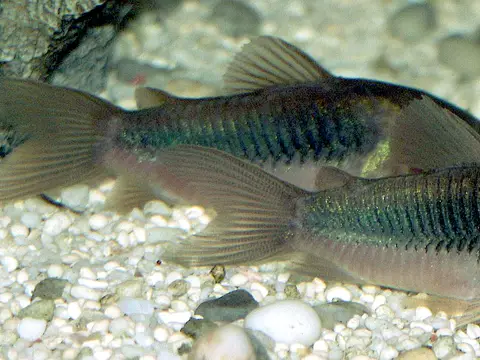 Bronze cory Corydoras aeneus 21 gal (80 L) · 72–81 °F (22–27 °C)
 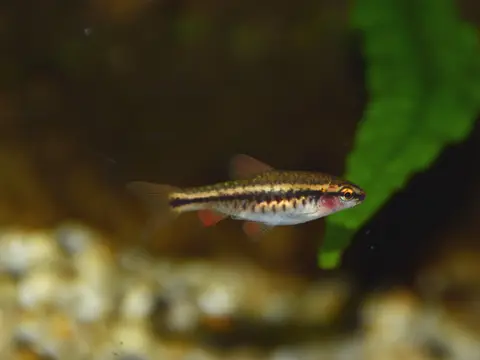 Cherry barb Puntius titteya 16 gal (60 L) · 73–81 °F (23–27 °C)
 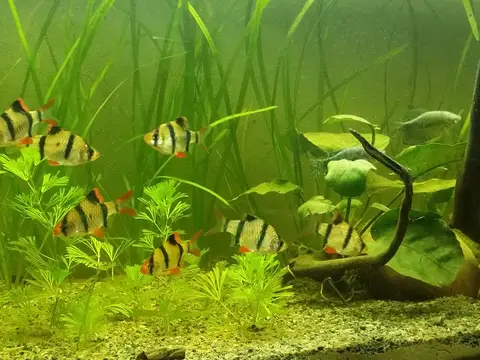 Tiger barb Puntigrus tetrazona 26 gal (100 L) · 72–79 °F (22–26 °C)
 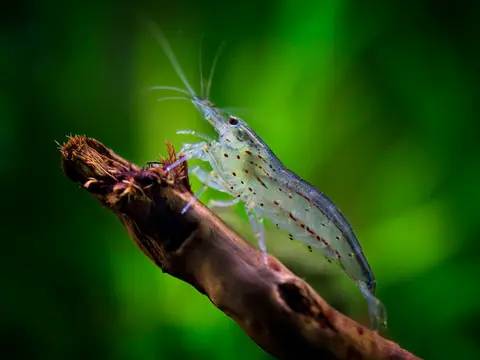 Amano shrimp Caridina multidentata 11 gal (40 L) · 64–82 °F (18–28 °C)
 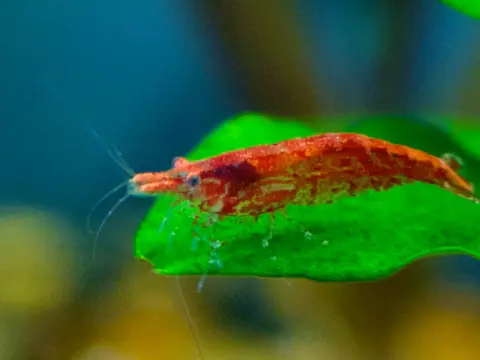 Cherry shrimp Neocaridina davidi 5 gal (20 L) · 64–81 °F (18–27 °C)
 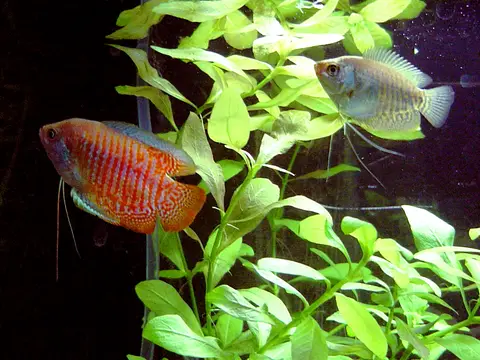 Dwarf gourami Trichogaster lalius 16 gal (60 L) · 75–82 °F (24–28 °C)
 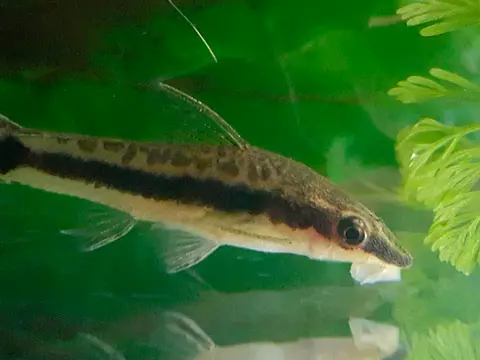 Otocinclus catfish Otocinclus vestitus 16 gal (60 L) · 70–79 °F (21–26 °C)
 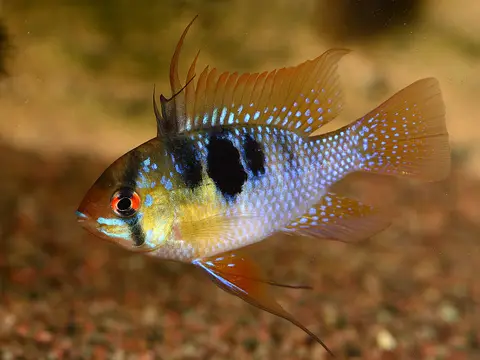 Ram cichlid Mikrogeophagus ramirezi 16 gal (60 L) · 79–86 °F (26–30 °C)
 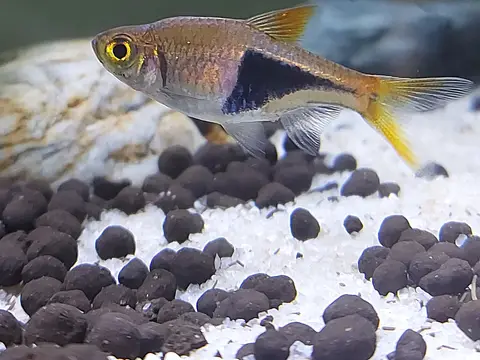 Harlequin rasbora Trigonostigma heteromorpha 16 gal (60 L) · 72–81 °F (22–27 °C)
 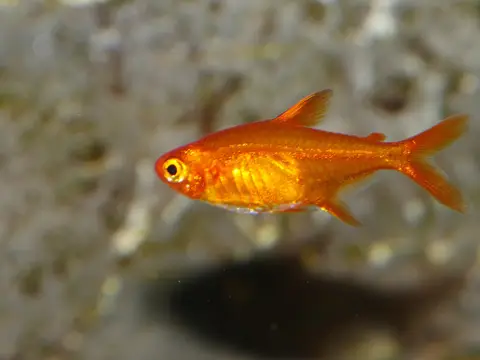 Ember tetra Hyphessobrycon amandae 11 gal (40 L) · 73–82 °F (23–28 °C)
 Check the compatibility of your whole tank →
What not to keep it with
Popular species you shouldn’t house with the Rummy-nose tetra, and why.
- Common goldfish: incompatible temperatures, one may eat the other due to size
- Angelfish: one may eat the other due to size
- Yellow lab cichlid: incompatible pH
- Clown loach: one may eat the other due to size
- Molly: incompatible pH
- Oranda goldfish: incompatible temperatures, one may eat the other due to size
- Oscar: one may eat the other due to size, incompatible temperaments
Recommended equipment
What you need to keep the Rummy-nose tetra healthy, checked against Amazon stock.



Frequently asked questions
How many liters does a Rummy-nose tetra need?
At least about 100 liters for a group of at least 10 fish. More space always helps keep the water stable.
What water temperature does the Rummy-nose tetra need?
Between 24 and 28 °C, with a pH of 5.5 to 7.
What fish can live with the Rummy-nose tetra?
Based on water, size and temperament, it fits with species such as Bristlenose pleco, Betta fish, Bronze cory, Cherry barb and Tiger barb. Use our compatibility calculator to check your whole tank.
Can the Rummy-nose tetra be kept with shrimp?
Yes: it usually won’t eat adult shrimp, though some shrimplets may get picked off. A tank with plenty of moss gives the babies cover.