If you buy through our links, Amazon pays us a small commission at no extra cost to you. That’s how we keep the site running. How we choose.
Contents
Cycling is the process that turns a brand-new tank from a glass box of water into a small ecosystem that can handle fish waste. Skipping it is the number one cause of fish deaths in beginner tanks, and it's also the most boring part of the hobby: you can't see anything happening, only the numbers on your test kit change. This guide explains what's going on in the water, the two ways to cycle, how to speed things up without cutting corners and how to know for sure that the cycle is complete.
The essentials: cycling usually takes four to six weeks. It's done when ammonia and nitrite read 0 for several days in a row and nitrate is rising. You can't tell without a test kit, and you can never tell by eye.
The nitrogen cycle in an aquarium
Fish release ammonia through their gills and urine, and leftover food and dead leaves release it as they break down. Ammonia is highly toxic even at low levels. In a mature tank, two groups of bacteria, living mostly in the filter media, convert it in two steps: first into nitrite, which is still toxic because it stops blood from carrying oxygen, and then into nitrate, which is far less harmful. No filter bacteria remove nitrate: it comes out with water changes, and plants use up some of it.
| Compound | Where it comes from | Toxicity | Target |
|---|---|---|---|
| Ammonia / ammonium (NH3/NH4) | Fish waste, uneaten food and rotting debris | Very high, especially at high pH and warm temperatures | 0 ppm |
| Nitrite (NO2) | Bacteria that oxidize ammonia | High | 0 ppm |
| Nitrate (NO3) | Bacteria that oxidize nitrite | Low, but it builds up | Below 25-40 ppm (below 20 for shrimp) |
Cycling a tank simply means giving those bacteria time and "food" (ammonia) so they can build a colony big enough before the fish arrive.
Fishless cycling vs fish-in cycling
There are two ways to cycle. The one almost every experienced fishkeeper recommends today is fishless: you add an ammonia source to the empty tank and wait for the bacteria to establish. Fish-in cycling was common years ago, but it forces the fish to spend weeks in water containing ammonia and nitrite.
| Factor | Fishless | Fish-in |
|---|---|---|
| Animal welfare | No animals at risk | Stress and possible losses |
| Control | You can dose ammonia high and test at your own pace | Daily testing and frequent water changes required |
| Duration | 4-6 weeks (less with bottled bacteria) | Similar or longer, since water changes slow the process |
| When it makes sense | Whenever possible | Only as a rescue if fish are already in an uncycled tank |
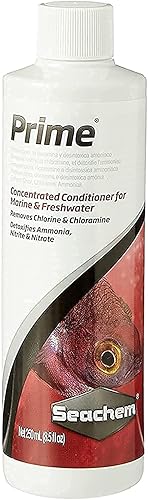
If you already have fish in an uncycled tank: never release them into a pond, creek or anywhere outdoors. Test ammonia and nitrite every day; if either goes above 0.25-0.5 ppm, change 30-50% of the water using dechlorinator. Feed very lightly, don't add more fish and dose bottled bacteria. This is what's known as an emergency fish-in cycle.
Ammonia sources and how to speed up cycling
Bacteria need ammonia to grow. Without a steady source, an "empty" tank won't cycle no matter how many weeks go by. The most common options are:
- Fish food: a pinch of flakes every day or every other day. Easy, but the dose is imprecise and it fouls the water.
- Dosed pure ammonia: the most controlled method. Aim for about 2 ppm and top up when it drops. It must be plain ammonia with no scent or surfactants (if it foams when you shake it, don't use it), or an ammonium chloride product sold for aquariums.
- A raw shrimp from the grocery store in a stocking inside the tank: it works, but it smells and is hard to control.
Three legitimate shortcuts help. First, bottled bacteria: some can shorten cycling noticeably, especially those containing live nitrifying bacteria, but keep testing, because results vary. Second, seeded media from a mature filter (a sponge or ceramic rings from a friend's healthy tank): it's the most effective shortcut there is. Third, comfortable conditions for the bacteria: 77-82 °F (25-28 °C), pH above 7, good oxygenation and the filter running around the clock.
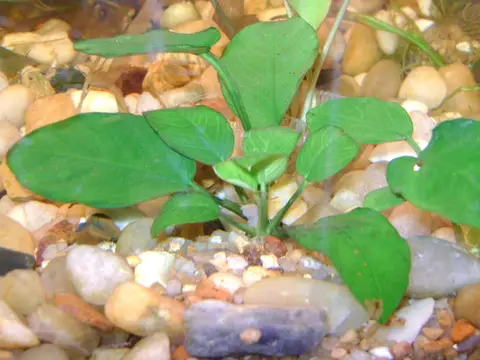
Plants help too: they take up ammonia and nitrate and compete with algae. Hardy species like Anubias nana or Java fern can go in on day one.
Week-by-week testing schedule
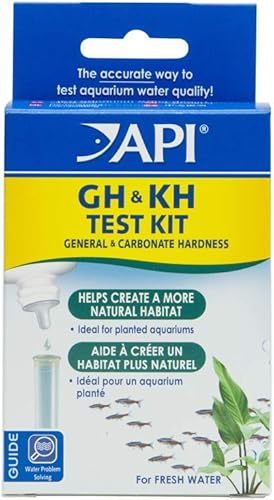
You need a water test kit that measures at least ammonia, nitrite and nitrate. Liquid kits are more accurate than strips, especially for ammonia. Here is how a typical fishless cycle with dosed ammonia plays out:
| Week | What usually happens | What to test | What to do |
|---|---|---|---|
| 1 | High ammonia; nitrite at 0 or barely detectable | Ammonia every 2-3 days | Keep ammonia around 2 ppm |
| 2 | Ammonia starts to fall; nitrite appears | Ammonia and nitrite every 2-3 days | Top up ammonia as it drops; be patient |
| 3 | Nitrite peaks, sometimes very high | Ammonia, nitrite and nitrate | If nitrite climbs above 5 ppm, a partial water change keeps the cycle from stalling |
| 4 | Ammonia gone within 24 hours; nitrite starts to fall; nitrate rises | All three every 2 days | Keep dosing daily |
| 5-6 | Ammonia and nitrite at 0 within 24 hours of each dose | All three daily during the final test | Final test and a big water change |
Don't worry if your tank doesn't follow the schedule to the letter: tap water, temperature and filter type all make a big difference. What matters is the sequence: ammonia, then nitrite, then nitrate.
How to tell the cycle is complete
The most reliable check for a fishless cycle is this: dose ammonia to about 2 ppm and test 24 hours later. If ammonia and nitrite both read 0 and nitrate has gone up, the tank is cycled. Repeat for two or three days in a row to confirm.
- Then do a large water change (50% or more) to bring down the built-up nitrate.
- Add your first fish within a day or two at most, so the bacteria don't run out of food.
- Start with a few hardy fish, such as some platies or a group of panda corydoras, and build up stocking gradually.
- Save delicate species like cherry shrimp until the tank has been stable for a couple of months.
A film of brown algae (diatoms) in the first few weeks is normal: it's a sign of a young tank and usually clears up on its own. If you're unsure about your readings later, see our guide to nitrite and nitrate.
Common cycling mistakes
- Trusting the calendar instead of the test kit: "it's been two weeks" means nothing if nitrite is still high.
- Cycling without an ammonia source: no food, no bacteria.
- Rinsing the filter under the tap: chlorine kills the colony and you're back to square one.
- Using scented ammonia or ammonia with detergent: it contaminates the tank.
- Letting the tank go without ammonia between the end of the cycle and adding fish: the bacteria starve and the colony shrinks.
- Fully stocking the day after the cycle finishes: the colony is sized for the load you dosed, not three times that.
- Using algaecides or medications during cycling: many of them harm the bacteria too.
Cycling is just one stage of setting up a tank. If you're starting out, follow the full sequence in how to set up a fish tank step by step.
Recommended gear for this guide

Frequently asked questions
How long does it take to cycle a tank?
Usually four to six weeks. With seeded media from a mature filter or good bottled bacteria it can drop to two or three weeks, while cool water or low pH can stretch it out. The only way to know is to test for ammonia, nitrite and nitrate.
Can you cycle a tank in 24 hours?
Not reliably. Some products promise instant cycling, but a bacterial colony capable of handling fish waste needs time to grow. If you use bottled bacteria, confirm with your test kit that ammonia and nitrite reach 0 before adding fish.
Do I need the light on while cycling?
The bacteria don't need light. If you have live plants, run the light about 6 hours a day so they grow without triggering algae. With no plants, you can leave the light off most of the time to keep new-tank algae down.
What if nitrite stays high and won't drop?
It's the longest stage and usually just takes patience. Check that pH isn't below 6.5, that the temperature is around 77 to 82 °F and that you aren't overdosing ammonia. If nitrite goes above 5 ppm, a partial water change helps the cycle move forward.
Will cleaning the filter restart the cycle?
No, as long as you rinse the media in old tank water and don't replace all of it at once. What crashes a cycle is rinsing the filter under the tap, swapping out all the media at the same time or leaving the filter off for hours.
You may also like
- GuideHow to Acclimate Fish: Floating, Drip Method and Quarantine
- GuideAquarium Water Parameters: Ideal Ranges and How to Test
- GuideAmmonia, Nitrite and Nitrate in Aquariums: Safe Levels and Fixes
- Gear reviewAquarium bacteria starters
 ProfileAnubias nana
- Gear reviewAquarium water test kits
- Gear reviewAquarium water conditioners
- GuideHow to Raise or Lower Aquarium pH Safely (Plus KH and GH)
Water care & maintenance → See all guides → Complete aquarium guide →