If you buy through our links, Amazon pays us a small commission at no extra cost to you. That’s how we keep the site running. How we choose.
Contents
A fish's first minutes in its new tank are the most delicate part of the whole trip. It comes from a store with different water, has spent time in a bag with limited oxygen and arrives stressed. Proper acclimation is not a ritual: it makes the change in temperature and water chemistry gradual and keeps parasites and bacteria from the store out of your aquarium. In this guide we cover how to get fish home, the floating method, drip acclimation for shrimp and sensitive species, when to quarantine and the most common mistakes.
Quick version: a fully cycled tank before you buy, lights off, float the bag for 15-20 minutes to match temperature, add tank water little by little (or drip for shrimp and delicate fish), move the fish with a net and never pour store water into your tank.
Before you buy: a ready tank and the trip home
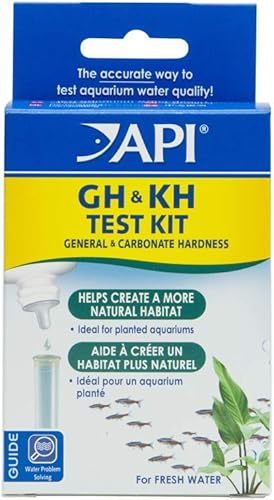
Acclimation starts before you leave the house. Your aquarium must be cycled: ammonia and nitrite at 0 and nitrate below 25-40 ppm (under 20 for shrimp). If it is not there yet, read our guide to cycling an aquarium, which takes 4 to 6 weeks. Check your parameters with a reliable water test kit the day before you shop.
For the trip:
- Buy fish last: head straight home with no long stops. Ideally they should not spend more than one or two hours in the bag.
- Shield the bag from light and temperature swings: an opaque bag or a small picnic cooler works well in both summer and winter.
- Never leave it in the sun or in a hot car: water in a bag heats up or cools down very quickly.
- Ask the store for its water parameters (pH and hardness): they help you decide whether floating is enough or dripping is wiser.
Look at the fish before buying: avoid tanks with dead fish, white spots, ragged fins or fish gasping at the surface. A healthy fish swims actively and shows crisp colors.
The floating method step by step
This is the standard method for most hardy fish: guppies, platies, common tetras, danios and barbs. We match the temperature and blend the water gradually.
- Turn off the aquarium lights and dim the room. Darkness lowers stress for the newcomers and for the fish already in the tank.
- Float the sealed bag on the surface for 15-20 minutes so the temperature evens out.
- Open the bag and roll the top down so it floats like a ring, or pour the contents into a clean bucket.
- Add a little tank water (about a quarter of the bag's volume) every 5 minutes, three or four times.
- Net the fish into the aquarium. The bag water goes down the sink, never into the tank.
- Keep the lights off for a few more hours and do not feed until the next day.
Do not add store water to your tank. It can carry parasites, bacteria, medication residue and plenty of ammonia built up during the trip. Always move the fish with a net, or with clean hands into an intermediate container.
Drip acclimation for shrimp and sensitive species
Cherry shrimp and other shrimp, snails and some delicate fish handle sudden changes in pH, hardness or TDS very poorly. For them we use drip acclimation, which makes the transition much slower.
- Match the temperature by floating the bag for 15-20 minutes.
- Pour the shrimp and their water into a clean container (a bucket or tub used only for aquarium work).
- Run a length of airline tubing from the tank to the container, placed lower than the tank, and tie a loose knot or use a valve to get 2-4 drops per second.
- Let it drip until the volume has doubled or tripled: usually 45 minutes to 2 hours.
- Net the animals into the tank and discard the container water.
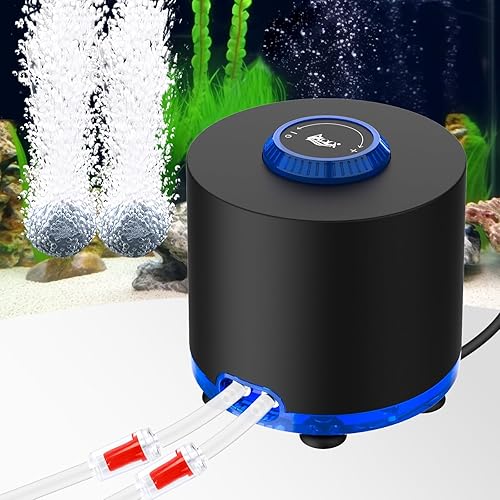
For long drips, a small airstone on one of our recommended air pumps keeps the water oxygenated. To learn more about these invertebrates, see our shrimp tank guide.
| Animal | Recommended method | Approx. time |
|---|---|---|
| Guppies, platies, mollies, danios | Floating with water mixing | 30-40 min |
| Tetras, rasboras, barbs | Floating (drip if the water is very different) | 30-45 min |
| Corydoras, loaches, plecos | Gentle drip | 45-90 min |
| Shrimp and snails | Slow drip | 1-2 h |
| Discus, dwarf cichlids, wild-caught fish | Drip plus quarantine | 1-2 h |
Fish such as the panda cory or the clown loach are more sensitive than they look and are among the first to come down with ich when they arrive stressed. They are worth the extra time a drip takes.
Quarantine: 2-4 weeks that save a lot of trouble
Quarantine means keeping new fish in a separate tank for 2 to 4 weeks before moving them into your display tank. It is the best protection against ich (white spot) and other diseases that arrive with newly bought fish.
- Quarantine tank: 10-15 gallons (40-60 L) is plenty, with a heater, a seasoned sponge filter (keep one running in your main tank), a hiding spot and a bare bottom for easy cleaning.
- What to watch for: white spots, clamped or frayed fins, cottony patches, rapid breathing, loss of appetite or white, stringy feces.
- Maintenance: frequent water changes with water conditioner and regular ammonia and nitrite checks, since they rise fast in a small tank.
If you have no room for a quarantine tank, at least buy from stores you trust, watch the fish carefully and think twice before adding newcomers to a tank with valuable residents.
The first few days in the tank
It is normal for new fish to hide, lose color or skip food for the first 24-48 hours. Offer small amounts from day two and remove leftovers. Make sure established fish are not bullying them; moving a piece of decor helps break up territories. Test ammonia and nitrite during the first week, especially if you added several fish at once: the filter needs a few days to adjust to the extra bioload. Stock in small groups rather than all at once, and keep up your weekly 20-30% water changes. Keep the temperature steady too, usually 75-80°F (24-27°C) for tropical fish.
Common acclimation mistakes
- Buying fish the same day you set up the tank: without cycling, ammonia poisons them within days.
- Dumping the whole bag into the tank, store water and all.
- Acclimating for hours in a sealed bag: ammonia builds up and oxygen drops. Floating unopened for more than 20-30 minutes adds nothing.
- Leaving the lights on and feeding right away.
- Adding too many fish at once: an ammonia spike and lots of stress.
- Skipping quarantine with disease-prone species or in a tank with valuable fish.
With a cycled tank, a little patience and the right method for each species, the vast majority of fish settle in without problems. If you notice odd symptoms after a few days, check our guide to fish diseases.
Recommended gear for this guide
Frequently asked questions
How long should you float the bag of fish?
About 15 to 20 minutes to match the temperature. Then open it and add tank water gradually for another 15-20 minutes. Keeping the bag sealed longer does not help, because ammonia builds up and oxygen drops.
Can I pour the bag water into my aquarium?
No. Store water can carry parasites, bacteria, medication residue and ammonia that built up during the trip. Net the fish into the tank and pour the bag water down the sink.
When should I use drip acclimation?
For shrimp, snails, sensitive fish such as corydoras or loaches, and any time the store water has a very different pH or hardness from yours. Dripping at 2-4 drops per second makes the transition far more gradual.
Do new fish really need quarantine?
It is not mandatory, but it is strongly recommended: 2-4 weeks in a separate tank lets you spot and treat ich and other diseases before they reach your main aquarium.
When should I feed newly added fish?
Wait until the next day. In the first hours fish are stressed and often refuse food, and uneaten food only pollutes the water. Start with small portions.
You may also like
- GuideAquarium Cycling: The Nitrogen Cycle, Testing and When to Add Fish
- GuideAquarium Water Parameters: Ideal Ranges and How to Test
- GuideAmmonia, Nitrite and Nitrate in Aquariums: Safe Levels and Fixes
- Gear reviewAquarium water test kits
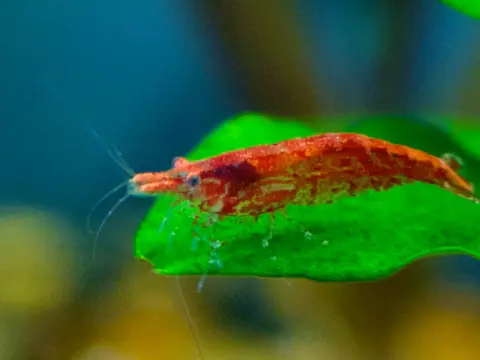 ProfileCherry shrimp
- Gear reviewAquarium air pumps and air stones
- Gear reviewAquarium water conditioners
 Gear reviewAquarium bacteria starters