If you buy through our links, Amazon pays us a small commission at no extra cost to you. That’s how we keep the site running. How we choose.
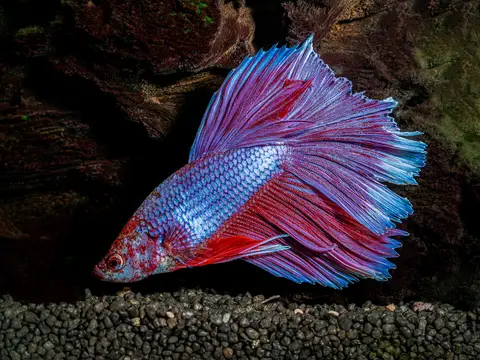
Can a betta have tank mates? Often yes, in the right tank and with the right individual. This list is calculated with the same compatibility engine as our checker: it includes every fish and invertebrate that gets a good verdict with the betta and whose minimum tank size is 20 gallons (80 L) or less.
The engine compares temperature, pH and hardness ranges, size and predation risk, temperament, swimming zone and fin nipping. That is why fin nippers such as tiger barbs never appear, and why calm bottom dwellers, small peaceful schooling fish and snails rank highly.
- Tank size: for a community, plan on at least 10 gallons (40 L), and 15-20 gallons (60-80 L) is much better.
- Layout: lots of plants and visual barriers, gentle flow and surface access.
- Temperature: around 78-80 °F (25-27 °C), which tank mates must tolerate.
The big caveat is the betta's personality. Some males ignore everyone, others attack anything colorful or long-finned. Have a backup plan, such as a spare tank or divider. Shrimp may be eaten, especially small cherry shrimp; Amano shrimp and snails are usually safer. Never keep two male bettas together.
Betta tank mates
| Species | Min. liters | Size | Temp. | Difficulty |
|---|---|---|---|---|
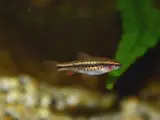 Cherry barb Puntius titteya | 16 gal (60 L) | 2 in (5 cm) | 73–81 °F (23–27 °C) | Easy |
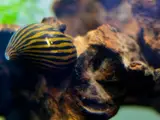 Nerite snail Neritina natalensis | 5 gal (20 L) | 1 in (2.5 cm) | 72–82 °F (22–28 °C) | Easy |
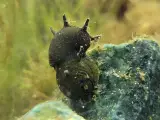 Horned nerite snail Clithon corona | 5 gal (20 L) | 0.6 in (1.5 cm) | 72–82 °F (22–28 °C) | Easy |
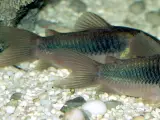 Bronze cory Corydoras aeneus | 21 gal (80 L) | 2.6 in (6.5 cm) | 72–81 °F (22–27 °C) | Easy |
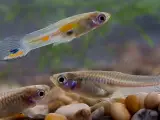 Guppy Poecilia reticulata | 14 gal (54 L) | 2 in (5 cm) | 72–82 °F (22–28 °C) | Easy |
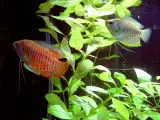 Dwarf gourami Trichogaster lalius | 16 gal (60 L) | 2.4 in (6 cm) | 75–82 °F (24–28 °C) | Moderate |
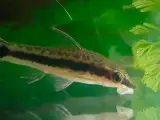 Otocinclus catfish Otocinclus vestitus | 16 gal (60 L) | 1.6 in (4 cm) | 70–79 °F (21–26 °C) | Moderate |
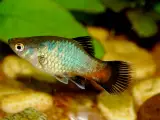 Platy Xiphophorus maculatus | 16 gal (60 L) | 2.4 in (6 cm) | 68–79 °F (20–26 °C) | Easy |
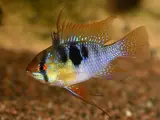 Ram cichlid Mikrogeophagus ramirezi | 16 gal (60 L) | 2 in (5 cm) | 79–86 °F (26–30 °C) | Moderate |
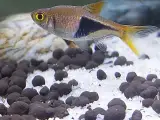 Harlequin rasbora Trigonostigma heteromorpha | 16 gal (60 L) | 1.8 in (4.5 cm) | 72–81 °F (22–27 °C) | Easy |
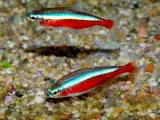 Cardinal tetra Paracheirodon axelrodi | 21 gal (80 L) | 1.8 in (4.5 cm) | 73–84 °F (23–29 °C) | Moderate |
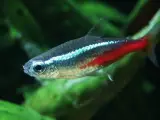 Neon tetra Paracheirodon innesi | 16 gal (60 L) | 1.4 in (3.5 cm) | 68–79 °F (20–26 °C) | Easy |
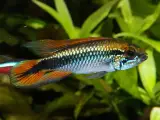 Agassiz's dwarf cichlid Apistogramma agassizii | 16 gal (60 L) | 3.1 in (8 cm) | 75–82 °F (24–28 °C) | Moderate |
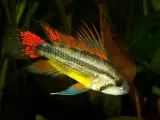 Cockatoo dwarf cichlid Apistogramma cacatuoides | 16 gal (60 L) | 3.1 in (8 cm) | 75–82 °F (24–28 °C) | Easy |
 Badis Badis badis | 16 gal (60 L) | 2.4 in (6 cm) | 68–79 °F (20–26 °C) | Moderate |
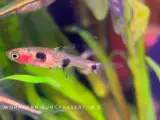 Dwarf rasbora Boraras maculatus | 11 gal (40 L) | 1 in (2.5 cm) | 75–82 °F (24–28 °C) | Moderate |
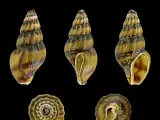 Assassin snail Anentome helena | 5 gal (20 L) | 1 in (2.5 cm) | 72–82 °F (22–28 °C) | Easy |
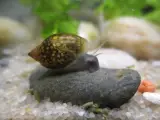 Bladder snail Physella acuta | 3 gal (10 L) | 0.4 in (1 cm) | 59–82 °F (15–28 °C) | Easy |
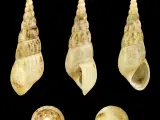 Malaysian trumpet snail Melanoides tuberculata | 5 gal (20 L) | 1.2 in (3 cm) | 68–86 °F (20–30 °C) | Easy |
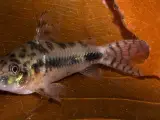 Salt and pepper cory Corydoras habrosus | 11 gal (40 L) | 1.2 in (3 cm) | 72–79 °F (22–26 °C) | Moderate |
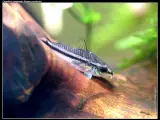 Pygmy cory Corydoras pygmaeus | 11 gal (40 L) | 1 in (2.5 cm) | 72–79 °F (22–26 °C) | Moderate |
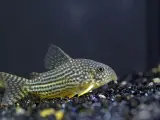 Sterbai cory Corydoras sterbai | 21 gal (80 L) | 2.6 in (6.5 cm) | 75–82 °F (24–28 °C) | Easy |
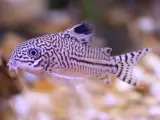 Three-stripe cory Corydoras trilineatus | 18 gal (70 L) | 2.2 in (5.5 cm) | 72–79 °F (22–26 °C) | Easy |
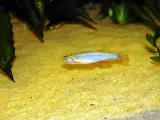 Pearl danio Danio albolineatus | 21 gal (80 L) | 2.4 in (6 cm) | 68–79 °F (20–26 °C) | Easy |
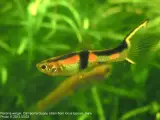 Endler's livebearer Poecilia wingei | 11 gal (40 L) | 1.2 in (3 cm) | 72–82 °F (22–28 °C) | Easy |
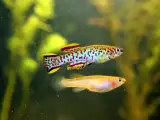 Gardneri killifish Fundulopanchax gardneri | 11 gal (40 L) | 2.4 in (6 cm) | 68–79 °F (20–26 °C) | Moderate |
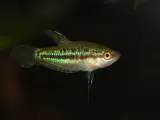 Sparkling gourami Trichopsis pumila | 12 gal (45 L) | 1.4 in (3.5 cm) | 72–82 °F (22–28 °C) | Moderate |
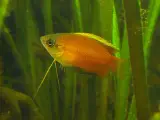 Honey gourami Trichogaster chuna | 14 gal (54 L) | 1.8 in (4.5 cm) | 72–82 °F (22–28 °C) | Easy |
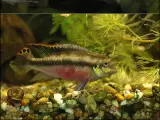 Kribensis Pelvicachromis pulcher | 21 gal (80 L) | 3.5 in (9 cm) | 75–82 °F (24–28 °C) | Easy |
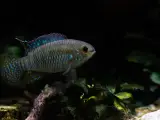 Flag acara Laetacara curviceps | 21 gal (80 L) | 2.8 in (7 cm) | 75–82 °F (24–28 °C) | Easy |
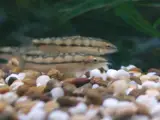 Dwarf chain loach Ambastaia sidthimunki | 21 gal (80 L) | 2.2 in (5.5 cm) | 77–82 °F (25–28 °C) | Moderate |
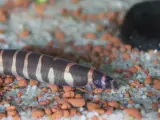 Kuhli loach Pangio kuhlii | 16 gal (60 L) | 3.5 in (9 cm) | 75–82 °F (24–28 °C) | Moderate |
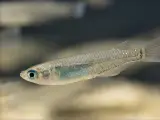 Medaka (Japanese ricefish) Oryzias latipes | 11 gal (40 L) | 1.4 in (3.5 cm) | 50–79 °F (10–26 °C) | Easy |
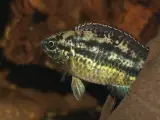 Golden dwarf cichlid Nannacara anomala | 16 gal (60 L) | 2.8 in (7 cm) | 72–81 °F (22–27 °C) | Easy |
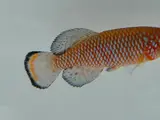 Nothobranchius rachovii (Rachow's nothobranch) Nothobranchius rachovii | 11 gal (40 L) | 2 in (5 cm) | 72–79 °F (22–26 °C) | Difficult |
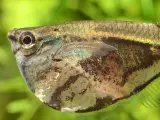 Marbled hatchetfish Carnegiella strigata | 21 gal (80 L) | 1.4 in (3.5 cm) | 75–82 °F (24–28 °C) | Moderate |
 Least killifish Heterandria formosa | 8 gal (30 L) | 1 in (2.5 cm) | 68–79 °F (20–26 °C) | Easy |
 Clown pleco (L104) Panaqolus maccus | 21 gal (80 L) | 3.5 in (9 cm) | 75–82 °F (24–28 °C) | Easy |
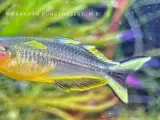 Forktail blue-eye Pseudomugil furcatus | 16 gal (60 L) | 2 in (5 cm) | 75–82 °F (24–28 °C) | Moderate |
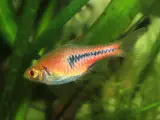 Lambchop rasbora Trigonostigma espei | 14 gal (54 L) | 1.4 in (3.5 cm) | 73–82 °F (23–28 °C) | Easy |
 Hengel's rasbora Trigonostigma hengeli | 14 gal (54 L) | 1.2 in (3 cm) | 73–82 °F (23–28 °C) | Moderate |
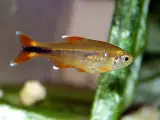 Copper tetra Hasemania nana | 16 gal (60 L) | 1.6 in (4 cm) | 72–82 °F (22–28 °C) | Easy |
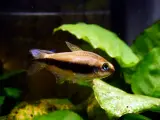 Emperor tetra Nematobrycon palmeri | 21 gal (80 L) | 2 in (5 cm) | 73–81 °F (23–27 °C) | Easy |
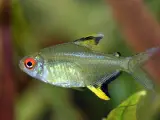 Lemon tetra Hyphessobrycon pulchripinnis | 21 gal (80 L) | 1.8 in (4.5 cm) | 72–82 °F (22–28 °C) | Easy |
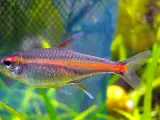 Glowlight tetra Hemigrammus erythrozonus | 16 gal (60 L) | 1.6 in (4 cm) | 75–82 °F (24–28 °C) | Easy |
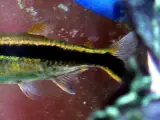 Penguin tetra Thayeria boehlkei | 21 gal (80 L) | 2.4 in (6 cm) | 72–82 °F (22–28 °C) | Easy |
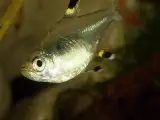 X-ray tetra Pristella maxillaris | 16 gal (60 L) | 1.8 in (4.5 cm) | 75–82 °F (24–28 °C) | Easy |
No species match those filters.
Frequently asked questions
Can bettas live with other fish?
Yes, many bettas live peacefully with calm tank mates in a planted tank of 10 gallons or more. Avoid fin nippers, very active fish and anything colorful with long fins.
Can a male and a female betta live together?
Not permanently. Outside of controlled breeding, the male will chase and injure the female.
What is the best tank mate for a betta?
Nerite snails, corydoras such as pygmy or panda corys, small rasboras and otocinclus are common successful choices, depending on the tank size.
Can I keep a betta in a community 5 gallon tank?
A 5 gallon tank is fine for a betta alone or with a snail, but too small for fish tank mates.