If you buy through our links, Amazon pays us a small commission at no extra cost to you. That’s how we keep the site running. How we choose.
Contents
Overview
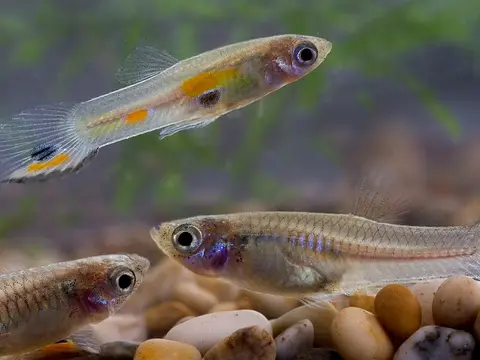
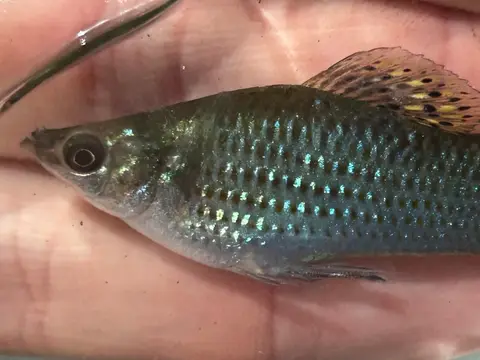
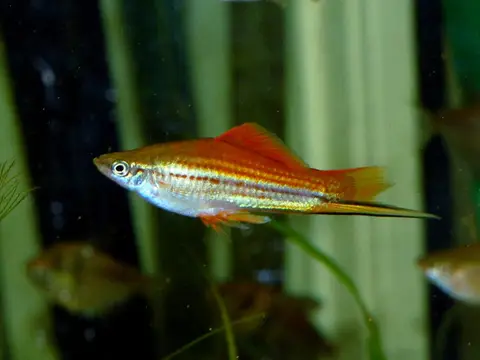
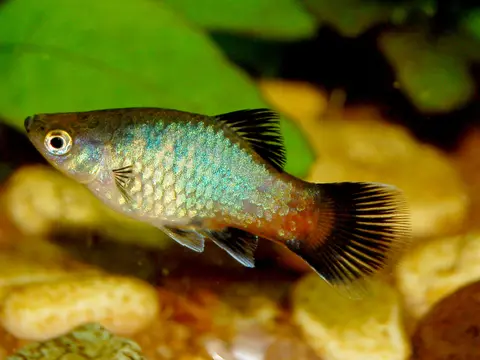
The platy is one of the easiest and most rewarding livebearers. It grows to about 1.5-2.4 in (4-6 cm), has a stocky body and comes in countless selectively bred colors: red, orange, yellow, blue, black, Mickey Mouse tails and multicolored patterns. Wild platies are much plainer and live in warm, hard-water rivers, ditches and lagoons on the Atlantic slope of Mexico, Guatemala and Honduras.
People like platies because they are calm, hardy, always busy foraging and adapt to almost any hard-water community tank. They are among the best fish for beginners, with one warning: they breed very easily.
Care and tank setup
A group of 3-5 platies does well in a cycled 15-20 gallon (60-75 L) tank; if you mix several livebearers or plan to keep fry, go for 20-26 gallons (80-100 L).
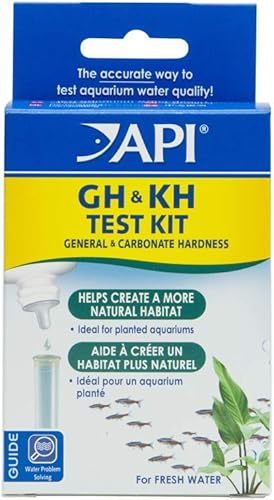
- Water: moderately hard to hard, neutral to alkaline pH, at 68-79 °F (20-26 °C). Soft, acidic water invites disease. They tolerate slightly cooler water than many tropicals, but indoors they still need a heater.
- Ratio: 1 male to 2-3 females, or a single-sex group if you do not want fry. Males have a gonopodium, an anal fin modified into a rod.
- Decor: hardy plants such as anubias, ferns, vallisneria and moss, plus open swimming space. A bit of light that grows soft algae gives them something to graze.
- Tank mates: mollies, guppies, corydoras, hard-water tetras, rasboras, bristlenose plecos and shrimp.
The usual mistakes are adding them to an uncycled tank and having no plan for the fry. Never release platies into ponds or streams.
Feeding
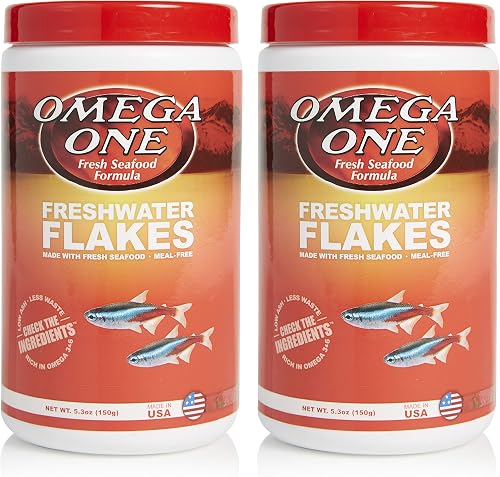
An omnivore that leans herbivorous. Use flakes or pellets with spirulina or vegetables as the staple, add brine shrimp, daphnia or bloodworms, and offer blanched zucchini or spinach now and then. Platies graze algae all day, which helps keep the tank tidy. Feed two small meals a day. One fasting day a week helps prevent constipation and bloating, which are common in overfed livebearers.
Breeding
A livebearer: after about 4 weeks of gestation the female gives birth to 20-60 fully formed fry, and one mating can produce several broods in a row. Adults eat some of the fry, so leave moss and floating plants as cover. Fry eat powdered food and baby brine shrimp from day one. Decide in advance what you will do with them: a local store, friends or a second tank.
Compatible tank mates
Species from our database that share water parameters, size and temperament with the Platy. Calculated from the data in each profile.
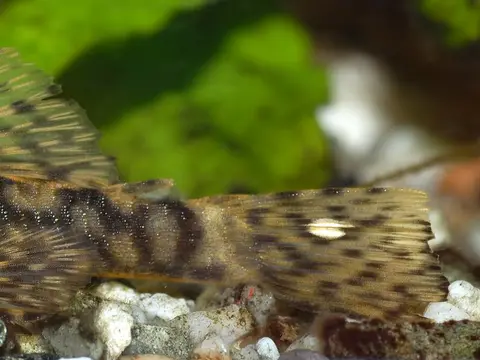 Bristlenose pleco Ancistrus sp. 26 gal (100 L) · 72–81 °F (22–27 °C)
 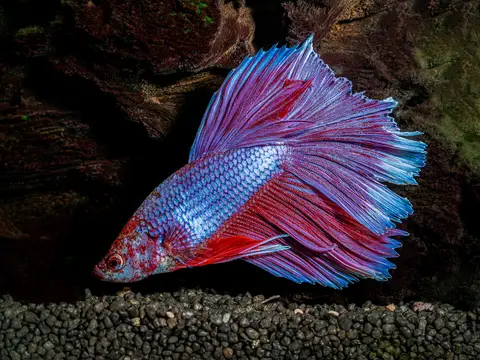 Betta fish Betta splendens 7 gal (25 L) · 75–82 °F (24–28 °C)
 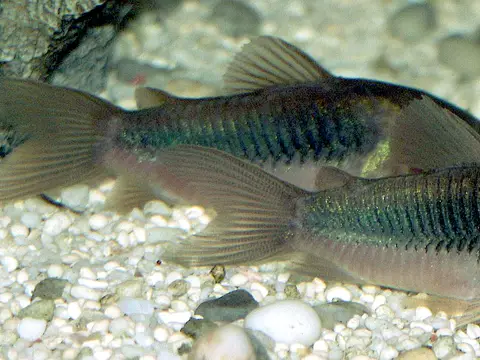 Bronze cory Corydoras aeneus 21 gal (80 L) · 72–81 °F (22–27 °C)
 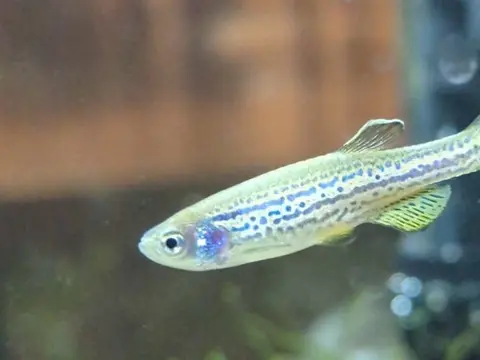 Zebra danio Danio rerio 16 gal (60 L) · 64–77 °F (18–25 °C)
 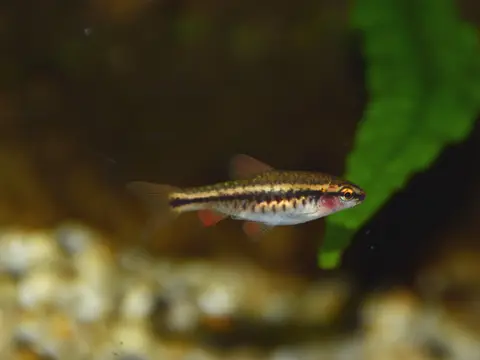 Cherry barb Puntius titteya 16 gal (60 L) · 73–81 °F (23–27 °C)
 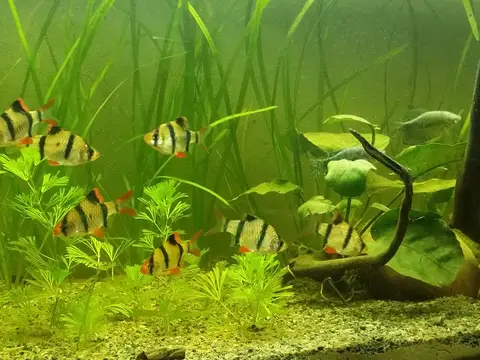 Tiger barb Puntigrus tetrazona 26 gal (100 L) · 72–79 °F (22–26 °C)
 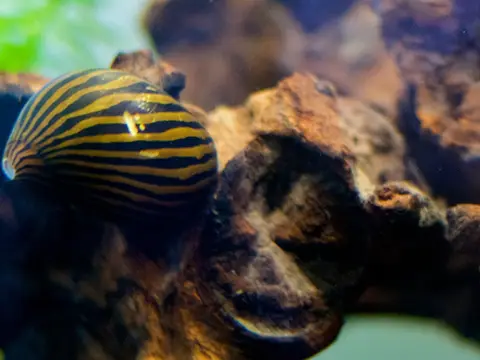 Nerite snail Neritina natalensis 5 gal (20 L) · 72–82 °F (22–28 °C)
 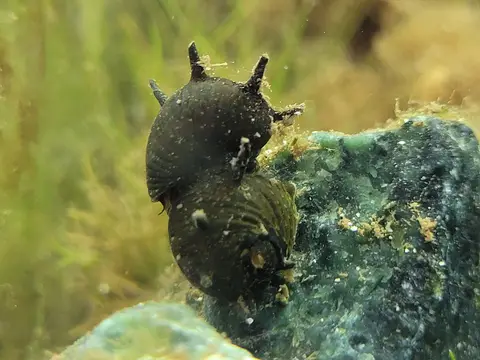 Horned nerite snail Clithon corona 5 gal (20 L) · 72–82 °F (22–28 °C)
 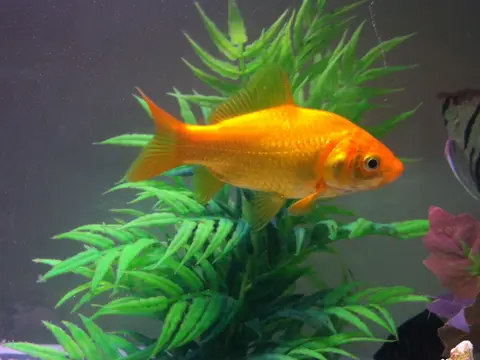 Common goldfish Carassius auratus 79 gal (300 L) · 50–75 °F (10–24 °C)
 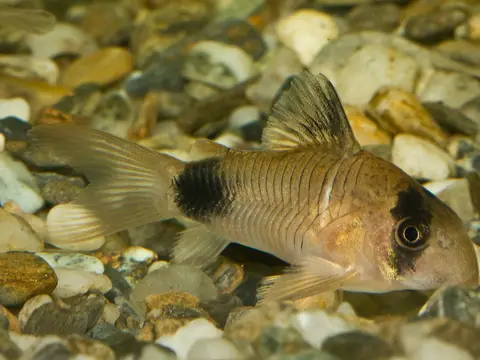 Panda cory Corydoras panda 16 gal (60 L) · 68–77 °F (20–25 °C)
 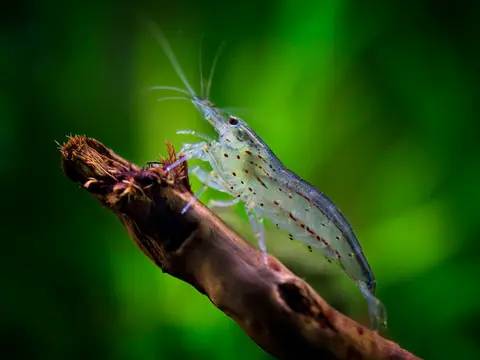 Amano shrimp Caridina multidentata 11 gal (40 L) · 64–82 °F (18–28 °C)
 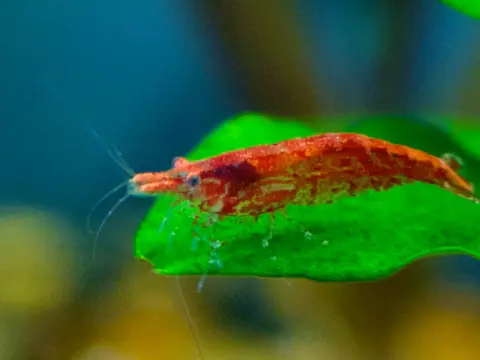 Cherry shrimp Neocaridina davidi 5 gal (20 L) · 64–81 °F (18–27 °C)
 Check the compatibility of your whole tank →
What not to keep it with
Popular species you shouldn’t house with the Platy, and why.
- Discus: incompatible temperatures, incompatible pH, incompatible water hardness
- Clown loach: incompatible temperatures, one may eat the other due to size
- Oscar: one may eat the other due to size, incompatible temperaments
- Cardinal tetra: incompatible pH, incompatible water hardness
Recommended equipment
What you need to keep the Platy healthy, checked against Amazon stock.


Frequently asked questions
How many liters does a Platy need?
At least about 60 liters for a group of at least 3 fish. More space always helps keep the water stable.
What water temperature does the Platy need?
Between 20 and 26 °C, with a pH of 7 to 8.2.
What fish can live with the Platy?
Based on water, size and temperament, it fits with species such as Bristlenose pleco, Betta fish, Bronze cory, Zebra danio and Cherry barb. Use our compatibility calculator to check your whole tank.
Can the Platy be kept with shrimp?
Yes: it usually won’t eat adult shrimp, though some shrimplets may get picked off. A tank with plenty of moss gives the babies cover.