If you buy through our links, Amazon pays us a small commission at no extra cost to you. That’s how we keep the site running. How we choose.
Contents
Overview
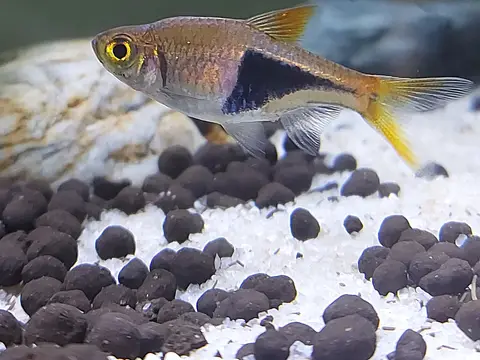
Hengel's rasbora, often sold as the glowlight rasbora, is the little sister of the popular harlequin rasbora. It grows to about 1.2 in (3 cm) and has a translucent pinkish-orange body, a slim black wedge on the rear half and, just above it, a bright orange stripe that seems to light up under the lamp. It comes from Sumatra and Borneo, where it lives in soft, acidic blackwater streams and peat swamps.
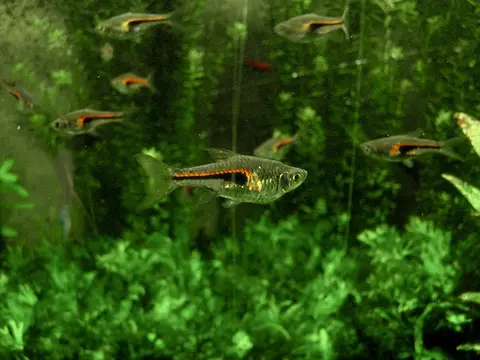
Keepers love it because it is calm, schools tightly and fits beautifully into Asian-style planted tanks or blackwater biotopes. It is a bit more delicate than the harlequin, especially in hard water, so it is best for someone who already runs a mature, stable aquarium.
Care and tank setup
A cycled, planted 15-gallon (57 L) tank suits a group of 10-12. Larger schools show better color and more natural behavior.
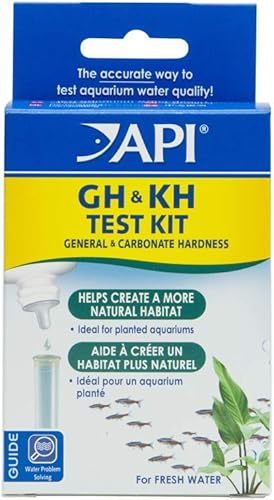
- Water: soft and acidic at about 73-82 °F (23-28 °C). It tolerates somewhat harder water if stable, but looks washed out there. Catappa leaves or peat help.
- Decor: broad-leaved plants such as cryptocorynes and anubias, mosses, driftwood and floaters to soften the light. Dark substrate.
- Flow: gentle.
- Tank mates: other small peaceful fish such as Boraras, small tetras, pygmy corydoras, otocinclus, honey gouramis, shrimp and snails.
Typical mistakes: confusing it with the harlequin and keeping it in hard water with large or boisterous fish, or keeping groups of three or four that just hide. Many are wild-caught, so acclimate them slowly and quarantine new arrivals.
Feeding
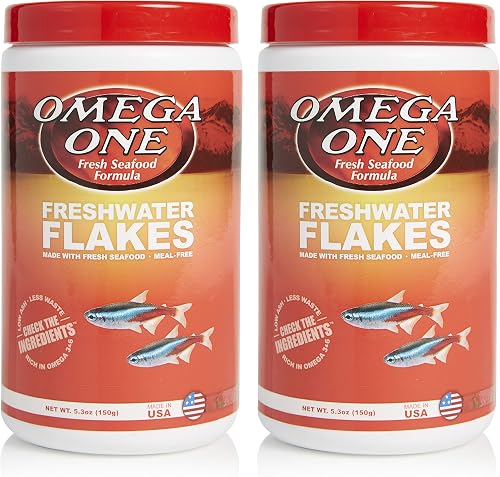
A small-mouthed omnivore. It eats fine flakes and micro pellets, but thrives on small frozen or live foods such as baby brine shrimp, daphnia, cyclops or chopped bloodworms. Vary the diet to keep that orange glow and offer one or two small meals a day. If it shares the tank with faster fish, make sure food reaches midwater before the others grab it all.
Breeding
Like the harlequin, a pair turns upside down beneath a broad leaf and sticks a few eggs to its underside, then ignores them. Breeding is possible but not easy: it needs very soft, acidic water, plants such as cryptocorynes in a separate tank, and removal of the adults after spawning. Fry take infusoria for the first days, then baby brine shrimp.
Compatible tank mates
Species from our database that share water parameters, size and temperament with the Hengel's rasbora. Calculated from the data in each profile.
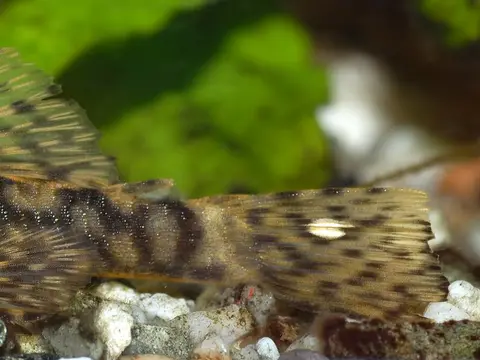 Bristlenose pleco Ancistrus sp. 26 gal (100 L) · 72–81 °F (22–27 °C)
 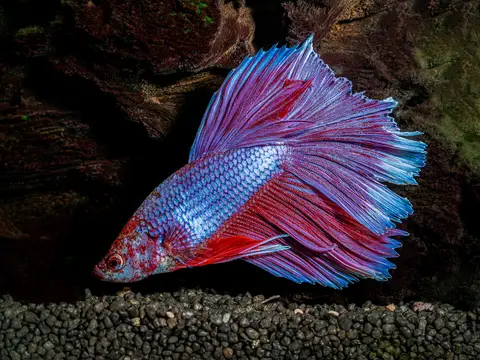 Betta fish Betta splendens 7 gal (25 L) · 75–82 °F (24–28 °C)
 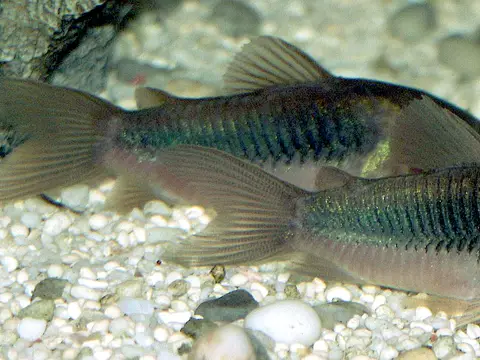 Bronze cory Corydoras aeneus 21 gal (80 L) · 72–81 °F (22–27 °C)
 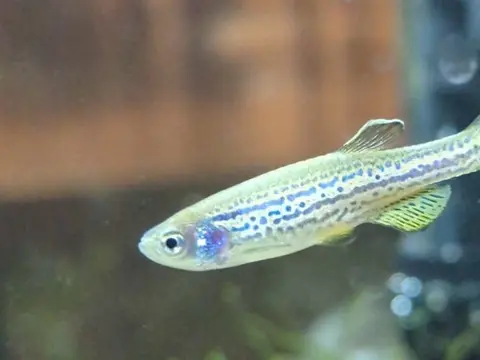 Zebra danio Danio rerio 16 gal (60 L) · 64–77 °F (18–25 °C)
 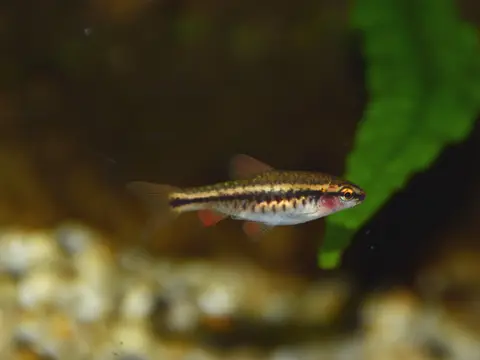 Cherry barb Puntius titteya 16 gal (60 L) · 73–81 °F (23–27 °C)
 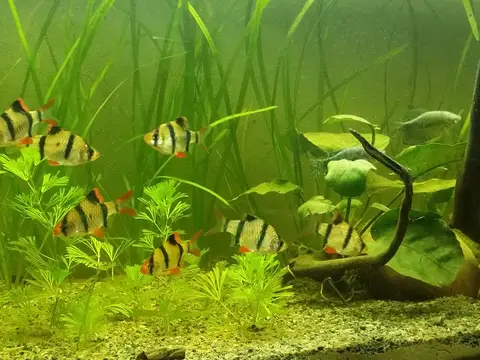 Tiger barb Puntigrus tetrazona 26 gal (100 L) · 72–79 °F (22–26 °C)
 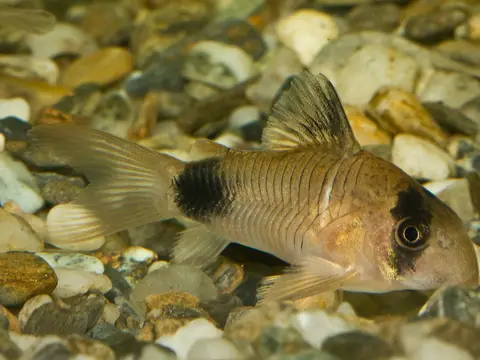 Panda cory Corydoras panda 16 gal (60 L) · 68–77 °F (20–25 °C)
 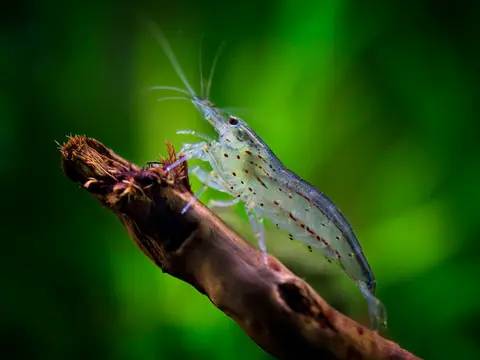 Amano shrimp Caridina multidentata 11 gal (40 L) · 64–82 °F (18–28 °C)
 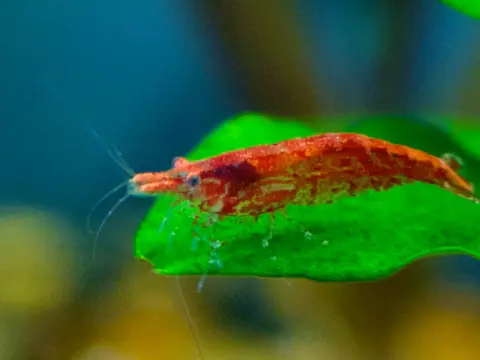 Cherry shrimp Neocaridina davidi 5 gal (20 L) · 64–81 °F (18–27 °C)
 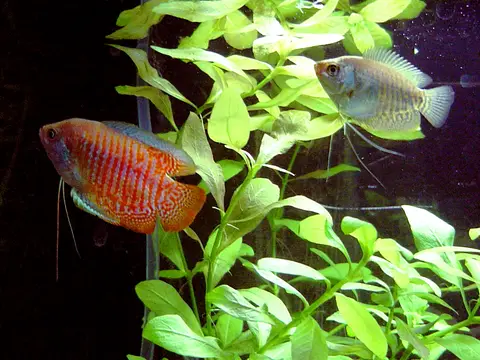 Dwarf gourami Trichogaster lalius 16 gal (60 L) · 75–82 °F (24–28 °C)
 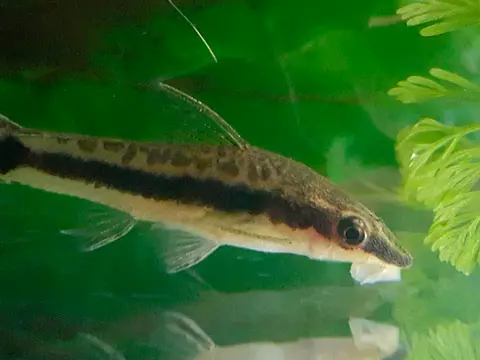 Otocinclus catfish Otocinclus vestitus 16 gal (60 L) · 70–79 °F (21–26 °C)
 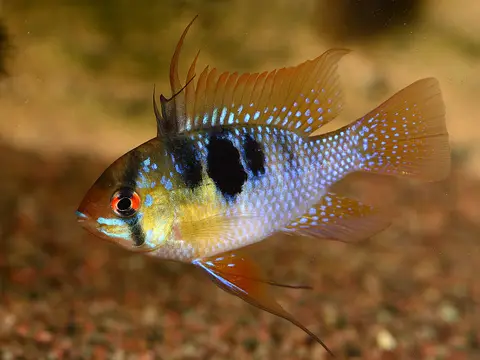 Ram cichlid Mikrogeophagus ramirezi 16 gal (60 L) · 79–86 °F (26–30 °C)
 Check the compatibility of your whole tank →
What not to keep it with
Popular species you shouldn’t house with the Hengel's rasbora, and why.
- Common goldfish: incompatible temperatures, one may eat the other due to size
- Discus: incompatible temperatures, one may eat the other due to size
- Angelfish: one may eat the other due to size
- Yellow lab cichlid: incompatible pH, one may eat the other due to size
- Clown loach: one may eat the other due to size
- Molly: incompatible pH
- Oranda goldfish: incompatible temperatures, one may eat the other due to size
- Oscar: one may eat the other due to size, incompatible temperaments
Recommended equipment
What you need to keep the Hengel's rasbora healthy, checked against Amazon stock.


Frequently asked questions
How many liters does a Hengel's rasbora need?
At least about 54 liters for a group of at least 10 fish. More space always helps keep the water stable.
What water temperature does the Hengel's rasbora need?
Between 23 and 28 °C, with a pH of 5 to 7.
What fish can live with the Hengel's rasbora?
Based on water, size and temperament, it fits with species such as Bristlenose pleco, Betta fish, Bronze cory, Zebra danio and Cherry barb. Use our compatibility calculator to check your whole tank.
Can the Hengel's rasbora be kept with shrimp?
Yes: it usually won’t eat adult shrimp, though some shrimplets may get picked off. A tank with plenty of moss gives the babies cover.