If you buy through our links, Amazon pays us a small commission at no extra cost to you. That’s how we keep the site running. How we choose.
Contents
Overview
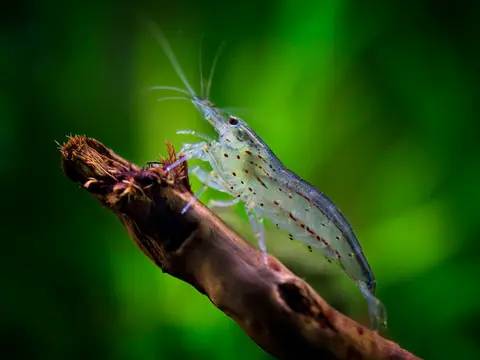
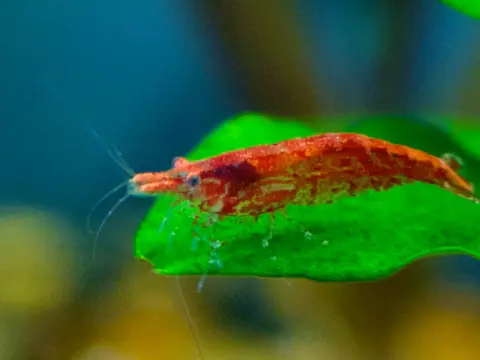
The cherry shrimp (red cherry shrimp) is a red color form of Neocaridina davidi, a freshwater shrimp native to Taiwan and southern China that is now bred in aquariums worldwide. Adult females are deep red and a bit larger; males are smaller and paler.
It is the gateway species into the shrimp hobby: tough, self-breeding and busy all day picking biofilm and leftovers off the substrate, plants and decor. A well-established colony grazing among moss and plants is one of the most relaxing things you can watch in an aquarium. A great pick for beginners and planted nano tanks.
Care and tank setup
Rather than any specific water recipe, cherry shrimp need stability: they die from sudden swings far more often than from imperfect numbers.
- Tank: 5 gallons (20 L) or more, fully cycled and running for a few weeks so biofilm has built up. Moss and dense plants help a lot.
- Filter: put a sponge over the intake so it can't suck up babies.
- Acclimation: drip acclimate for at least an hour.
- Copper: toxic to all shrimp. Check medications, fertilizers and algae treatments before using them.
- Water changes: small and frequent (10-20%), temperature-matched and dechlorinated.
They live well with tiny, peaceful fish (rasboras, otocinclus, pygmy cories). Mid-sized fish will eat the babies and often the adults. Mixing them with other Neocaridina colors eventually gives you brown or clear shrimp.
Feeding
They are omnivores that graze biofilm and algae all day. Supplement 3-5 times a week with shrimp pellets, blanched vegetables (zucchini, spinach) and dried Indian almond or oak leaves. Feed only what they finish in about two hours and remove leftovers: overfeeding fouls the water and is a common cause of shrimp deaths.
Breeding
They breed readily at home. The female carries the eggs under her tail for 3-4 weeks, fanning them for oxygen, and fully formed shrimplets hatch with no larval stage. They need no special care: moss, biofilm and no predatory fish. In good conditions the colony grows quickly; never release extras into streams or ponds.
Compatible tank mates
Species from our database that share water parameters, size and temperament with the Cherry shrimp. Calculated from the data in each profile.
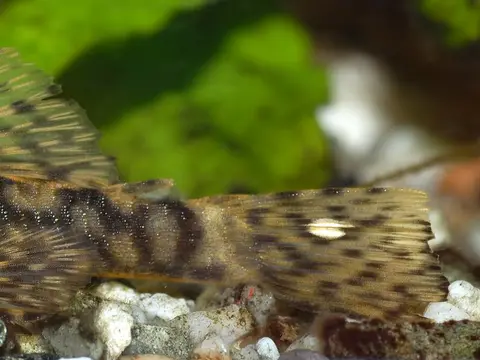 Bristlenose pleco Ancistrus sp. 26 gal (100 L) · 72–81 °F (22–27 °C)
 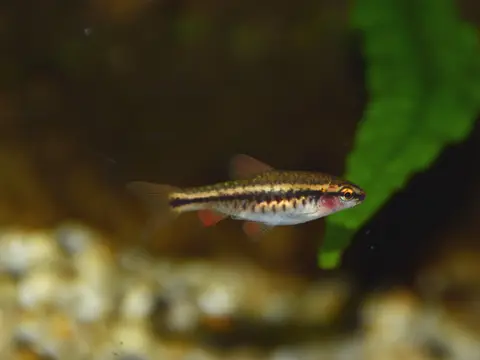 Cherry barb Puntius titteya 16 gal (60 L) · 73–81 °F (23–27 °C)
 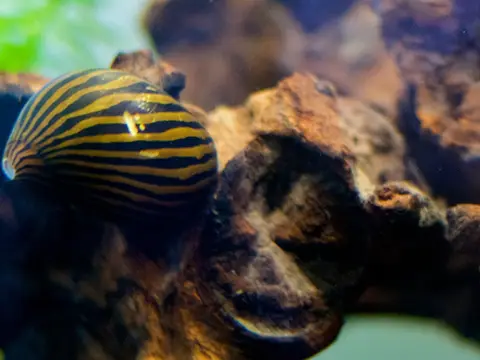 Nerite snail Neritina natalensis 5 gal (20 L) · 72–82 °F (22–28 °C)
 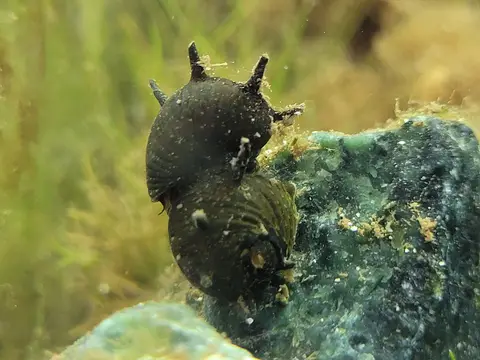 Horned nerite snail Clithon corona 5 gal (20 L) · 72–82 °F (22–28 °C)
 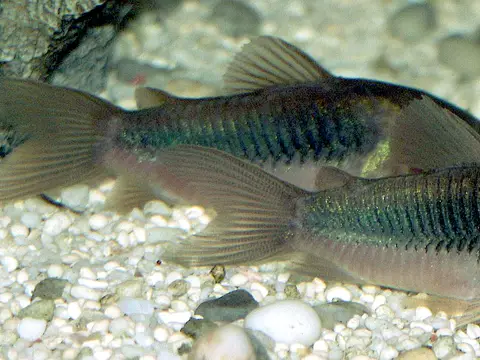 Bronze cory Corydoras aeneus 21 gal (80 L) · 72–81 °F (22–27 °C)
 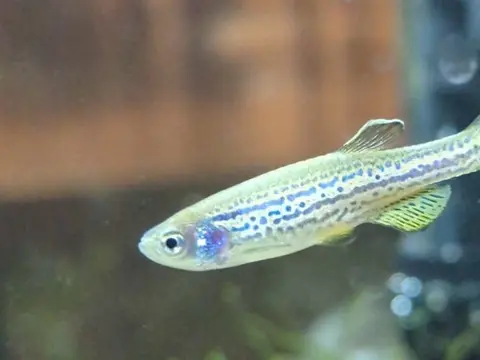 Zebra danio Danio rerio 16 gal (60 L) · 64–77 °F (18–25 °C)
 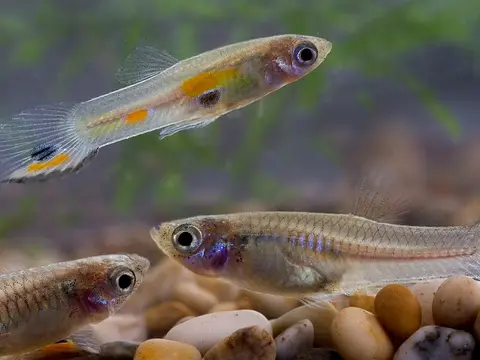 Guppy Poecilia reticulata 14 gal (54 L) · 72–82 °F (22–28 °C)
 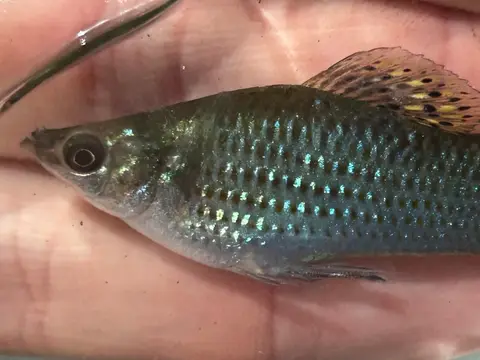 Molly Poecilia sphenops 26 gal (100 L) · 75–82 °F (24–28 °C)
 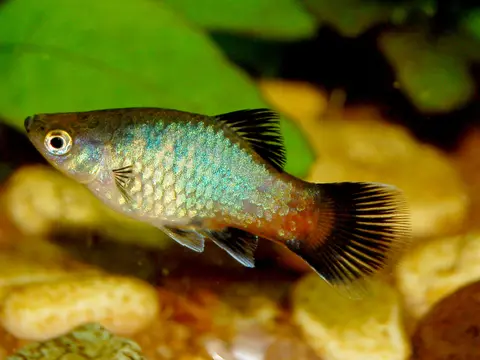 Platy Xiphophorus maculatus 16 gal (60 L) · 68–79 °F (20–26 °C)
 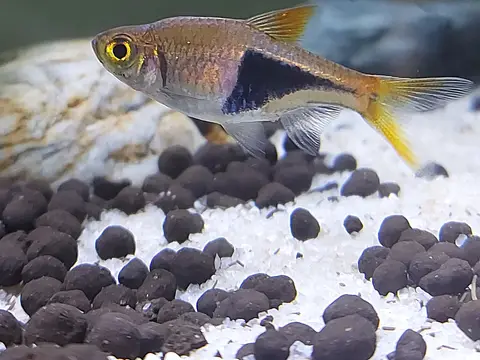 Harlequin rasbora Trigonostigma heteromorpha 16 gal (60 L) · 72–81 °F (22–27 °C)
 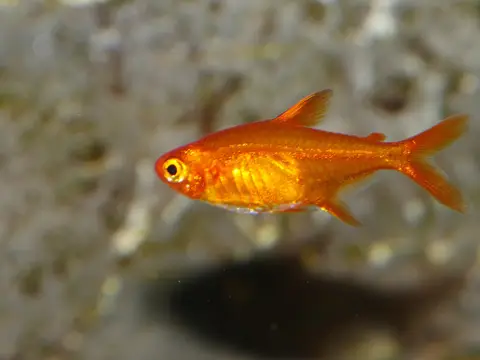 Ember tetra Hyphessobrycon amandae 11 gal (40 L) · 73–82 °F (23–28 °C)
 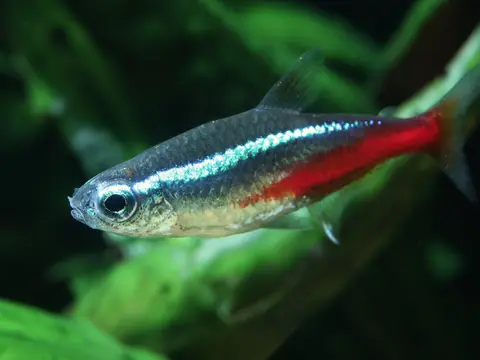 Neon tetra Paracheirodon innesi 16 gal (60 L) · 68–79 °F (20–26 °C)
 Check the compatibility of your whole tank →
What not to keep it with
Popular species you shouldn’t house with the Cherry shrimp, and why.
- Tiger barb: eats shrimp
- Betta fish: eats shrimp
- Common goldfish: eats shrimp
- Discus: incompatible temperatures, eats shrimp
- Angelfish: eats shrimp
- Yellow lab cichlid: eats shrimp
- Clown loach: eats shrimp
- Oranda goldfish: eats shrimp
Recommended equipment
What you need to keep the Cherry shrimp healthy, checked against Amazon stock.
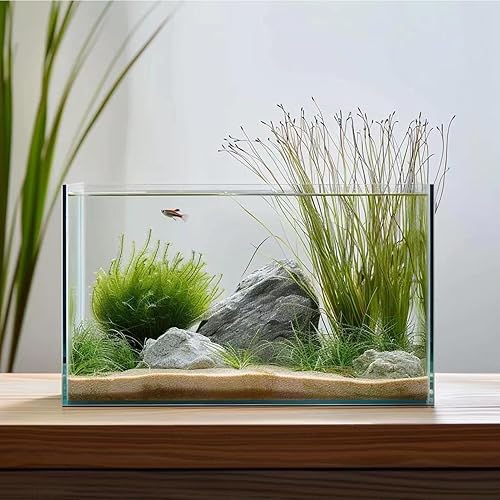
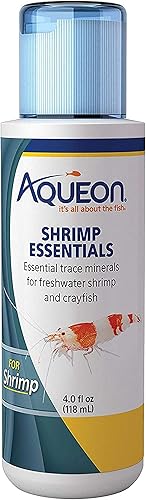

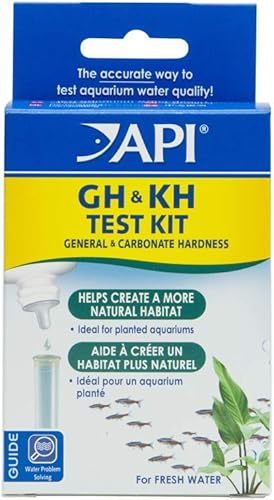
Frequently asked questions
How many liters does a Cherry shrimp need?
At least about 20 liters for a group of at least 10 fish. More space always helps keep the water stable.
What water temperature does the Cherry shrimp need?
Between 18 and 27 °C, with a pH of 6.5 to 8.
What fish can live with the Cherry shrimp?
Based on water, size and temperament, it fits with species such as Bristlenose pleco, Cherry barb, Nerite snail, Horned nerite snail and Bronze cory. Use our compatibility calculator to check your whole tank.