If you buy through our links, Amazon pays us a small commission at no extra cost to you. That’s how we keep the site running. How we choose.
Contents
Overview
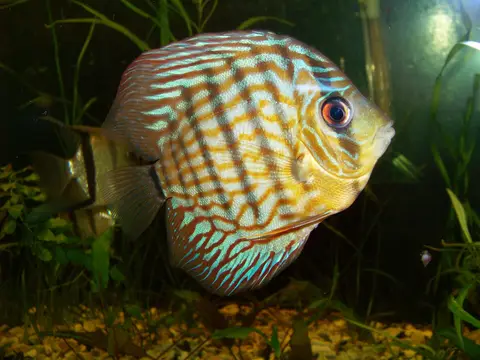
For many hobbyists, the discus is the most beautiful freshwater fish there is: a round, plate-flat body, intense colors and a slow, graceful swimming style. Wild discus live in the warm, soft waters of the Amazon basin, sheltering among submerged tree roots. Most fish sold today are captive-bred strains such as turquoise, pigeon blood, leopard or red, which adapt better than wild-caught fish.
Let's be honest: discus are demanding. They need a group, plenty of space, high temperatures and spotless water. They are calm and shy and get stressed by boisterous tankmates. They are a fish for experienced keepers with patience and time for maintenance, not for a first aquarium.
Care and tank setup
Discus are social and do best in groups of 5 or 6, which calls for a 75-gallon (300 L) tank or larger, ideally around 20 inches (50 cm) tall. Adults reach about 6 inches (15 cm) across.
- Water: soft, slightly acidic and always clean. Nitrate and organic waste are their weak spot; many breeders change 30-50% of the water several times a week.
- Temperature: high, 82-88 °F (28-31 °C), which not every plant or fish can handle.
- Décor: driftwood, heat-tolerant plants and quiet areas. Avoid heavy foot traffic in front of the tank.
- Tankmates: few and peaceful heat lovers such as cardinal tetras, Corydoras sterbai and rummynose tetras.
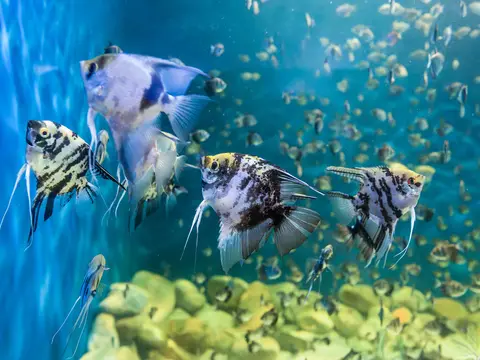
Do not mix them with angelfish (they can share diseases and compete) or with fast, pushy fish. Buy healthy stock from reputable breeders and quarantine new arrivals.
Feeding
Discus eat slowly and can be picky. A quality discus-specific pellet works well, alternated with frozen foods like bloodworms, brine shrimp or mysis. Offer several small meals a day and remove leftovers after about 30 minutes: food rotting on the bottom drives up nitrate, their biggest enemy.
Breeding
Pairs spawn on vertical surfaces such as a ceramic cone or a leaf and guard the eggs together. Uniquely, for the first weeks the fry feed on a mucus the parents secrete from their skin. Breeding them requires very soft, acidic water and a dedicated tank, making it a challenge for advanced keepers.
Compatible tank mates
Species from our database that share water parameters, size and temperament with the Discus. Calculated from the data in each profile.
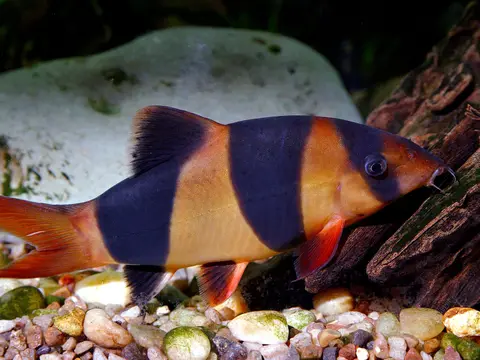 Clown loach Chromobotia macracanthus 132 gal (500 L) · 77–86 °F (25–30 °C)
 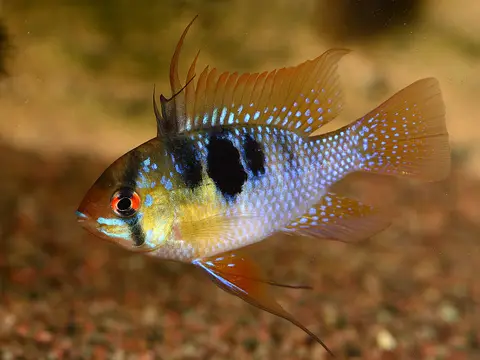 Ram cichlid Mikrogeophagus ramirezi 16 gal (60 L) · 79–86 °F (26–30 °C)
 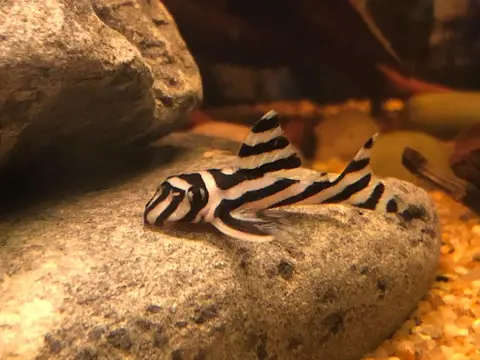 Zebra pleco (L046) Hypancistrus zebra 26 gal (100 L) · 79–88 °F (26–31 °C)
 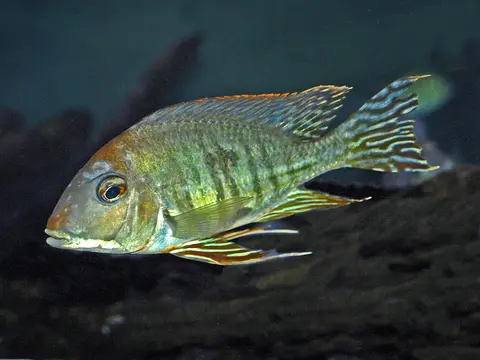 Geophagus altifrons Geophagus altifrons 159 gal (600 L) · 79–86 °F (26–30 °C)
 Check the compatibility of your whole tank →
What not to keep it with
Popular species you shouldn’t house with the Discus, and why.
- Bristlenose pleco: incompatible temperatures
- Cherry barb: incompatible temperatures
- Tiger barb: incompatible temperatures
- Common goldfish: incompatible temperatures
- Bronze cory: incompatible temperatures
- Panda cory: incompatible temperatures
- Zebra danio: incompatible temperatures
- Yellow lab cichlid: incompatible temperatures, incompatible pH, incompatible water hardness
Recommended equipment
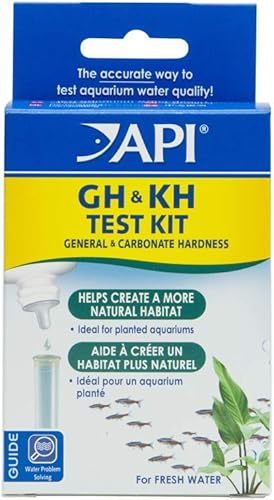
What you need to keep the Discus healthy, checked against Amazon stock.


Frequently asked questions
How many liters does a Discus need?
At least about 300 liters for a group of at least 5 fish. More space always helps keep the water stable.
What water temperature does the Discus need?
Between 28 and 31 °C, with a pH of 5 to 7.
What fish can live with the Discus?
Based on water, size and temperament, it fits with species such as Clown loach, Ram cichlid, Zebra pleco (L046) and Geophagus altifrons. Use our compatibility calculator to check your whole tank.
Can the Discus be kept with shrimp?
Not recommended: because of its size or instinct, it will eat shrimp.
You may also like
American cichlids → Freshwater fish → Complete aquarium guide →