If you buy through our links, Amazon pays us a small commission at no extra cost to you. That’s how we keep the site running. How we choose.
Contents
Our top 3 picks
Stock checked on October 7, 2026
shrimp food comparison, in stock
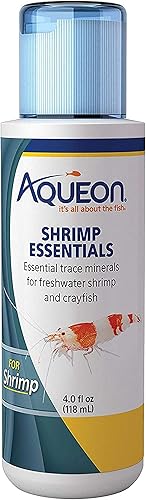
Aqueon Shrimp Essentials 4 Fluid Ounces

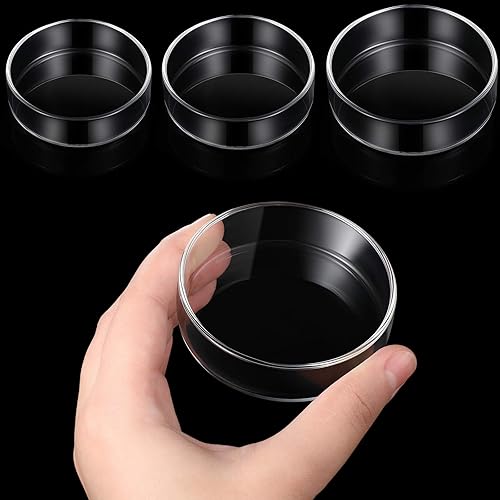
Patelai 3 Pcs Shrimp Feeding Dish, Clear Glass Aquarium Feeder Bowl
Aquarium Floating Betta Fish Skins, Betta or Shrimp Feeder, Cave and Hammock, Small Fish Feeding Rings, Aquarium Hiding…
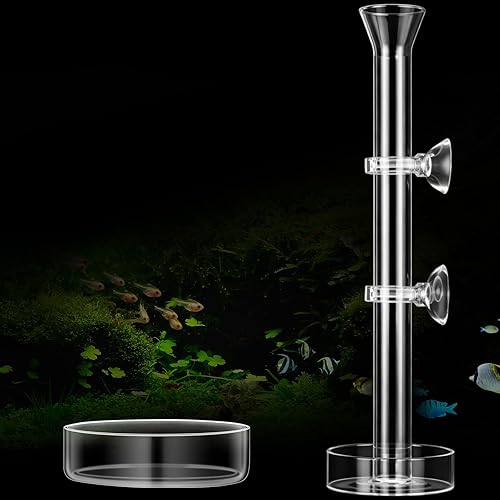
CHENGU 3 Pcs Shrimp Feeding Tube and Dish, 10" + 2 Tray for Aquarium

CHENGU 3 Pcs Shrimp Feeding Tube and Dish, 12" + 2 Tray for Aquarium

CHENGU 3 Pcs Shrimp Feeding Tube and Dish, 14" + 2 Tray for Aquarium

Root Tabs, Aquarium Plant Fertilizer, Aquarium Water Care Tabs, 100 Tabs Aquarium Plant Food Safe for Fish and Shrimp…
AcuarioSano rating: combines the average rating and the number of buyer reviews on Amazon. No brand pays to be featured.
What shrimp actually eat
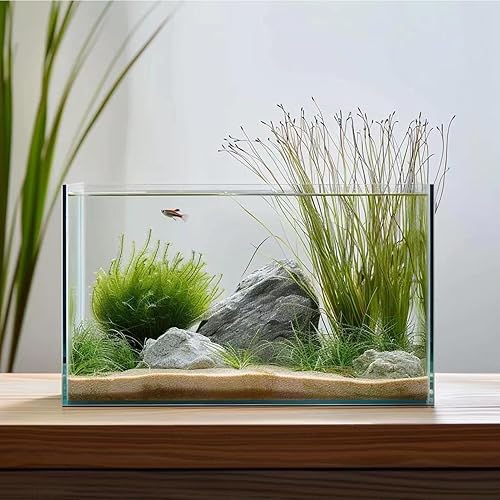
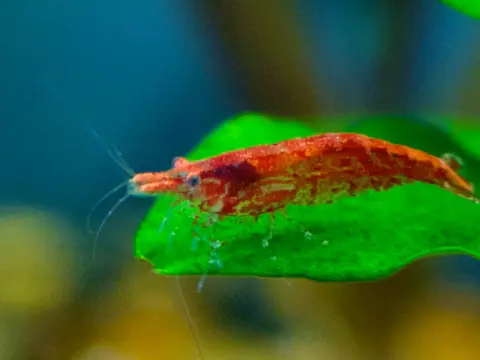
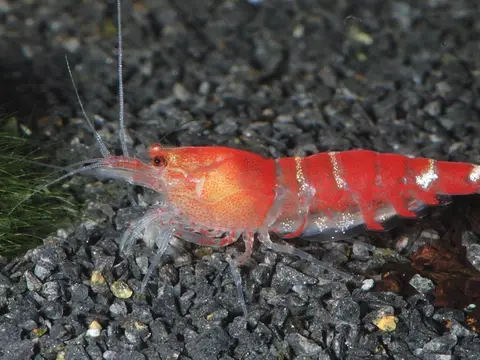
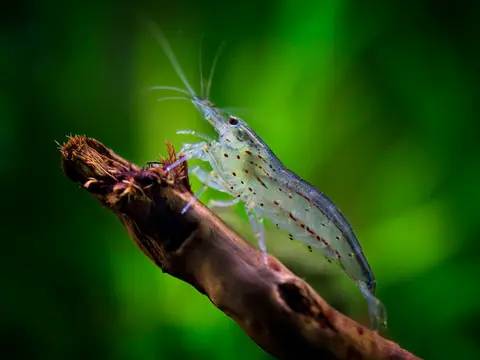
Dwarf shrimp like the cherry shrimp (Neocaridina) or the crystal red shrimp (Caridina) are grazers: they spend the day picking at the biofilm that coats plants, rocks and driftwood, a layer of bacteria, microscopic algae and organic debris. In a mature planted tank, that biofilm covers much of what they need.
That is why shrimp food is not their main diet but a supplement that adds protein, vitamins and minerals, especially in large colonies or newly set-up tanks with little biofilm. Larger shrimp such as the Amano shrimp eat a bit more and happily clean up fish food leftovers. If you are setting up a shrimp-only tank, follow our shrimp tank guide.
Types of shrimp food
| Type | What it does | Rough frequency |
|---|---|---|
| Staple food (pellets, sticks, tablets) | protein, plant matter and vitamins | every 1-2 days, tiny amounts |
| Mineral or calcium food | helps build the exoskeleton and supports clean molts | 1-2 times a week |
| Powder food for shrimplets | spreads across the bottom and reaches newborn shrimp | a few times a week after a hatch |
| Indian almond (catappa) leaves and alder cones | natural biofilm, mild tannins | left in the tank, replaced as they break down |
| Blanched vegetables (zucchini, spinach, nettle) | cheap plant supplement | occasionally; remove within a few hours |
Brands such as Fluval, Hikari, Dennerle, Sera, Tetra and Bacter AE offer dedicated shrimp lines. Read the ingredient list: spirulina, algae, nettle, krill or insects near the top are a good sign; lots of grains first, less so.
How much to feed
The rule is simple: what they finish in 2-3 hours, then remove the rest. In practice that is a tiny amount, about the size of a grain of rice for a colony of 10-20 shrimp. Feed every 1-2 days and skip a day now and then so they go back to grazing biofilm.
- Use a glass feeding dish so you can see leftovers and remove them with a pipette or turkey baster.
- If the shrimp do not swarm the food within a few minutes, they are probably not hungry: feed less.
- A sudden boom of planaria or hydra almost always points to overfeeding.
Tip: in a new tank, add a couple of Indian almond leaves or alder cones a few weeks before the shrimp. They grow a biofilm layer and give the shrimp natural food from day one.
Minerals and molting
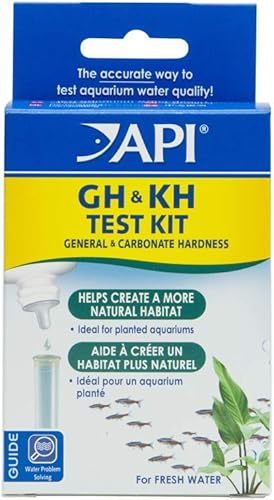
Shrimp grow by shedding their exoskeleton, and for that they need calcium and other minerals dissolved in the water (general hardness, GH) and in their food. In water that is too soft or poor in minerals, failed molts can happen: the shrimp cannot get out of its old shell and dies. A mineral food once or twice a week helps, but it cannot fix unsuitable water on its own: test GH and KH with a water test kit and adjust your water if needed. Also keep nitrate below 20 ppm (mg/l), because shrimp are more sensitive than most fish.
Common mistakes
- Feeding every day the same amount you would give fish.
- Leaving food on the bottom overnight.
- Using fish foods or medications that contain copper.
- Overdoing minerals on the idea that "more is better".
- Changing too much water at once: sudden parameter swings also trigger failed molts. Smaller 10-20% changes are safer.
- Expecting shrimp to clean up all the leftovers in an overstocked tank.
Watch out for copper: copper sulfate and other copper compounds are toxic to shrimp even in small amounts. Check the label of every food, fertilizer or medication you add to the tank and only use products stated to be invertebrate-safe.
Shrimp get along well with peaceful snails such as the nerite snail, which also grazes biofilm and algae. Review general feeding rules in how much and how often to feed fish.
We compare spec sheets, verified reviews and real-world use criteria, but we do not physically test the products: use the products above as a starting point and check each listing for the ingredients and that it is copper-free.
Frequently asked questions
How often should I feed aquarium shrimp?
Every 1-2 days and in tiny amounts, only what they eat in 2-3 hours. In a mature planted tank much of their food is biofilm, so underfeeding is safer.
Can shrimp eat fish food?
They will pick at flakes or wafers, but check that the food contains no copper and do not rely on it alone. A dedicated shrimp food provides the minerals and plant matter they need to molt properly.
Why are my shrimp dying during molting?
Failed molts are often linked to water low in minerals, sudden parameter swings or high nitrate. Test GH, KH and nitrate, do small regular water changes and add a mineral food.
What do Indian almond leaves do in a shrimp tank?
They grow a biofilm that shrimp graze on and release mild tannins. They are a natural supplement left in the tank and replaced once the leaf breaks down.