If you buy through our links, Amazon pays us a small commission at no extra cost to you. That’s how we keep the site running. How we choose.
Contents
Our top 3 picks
Stock checked on October 7, 2026
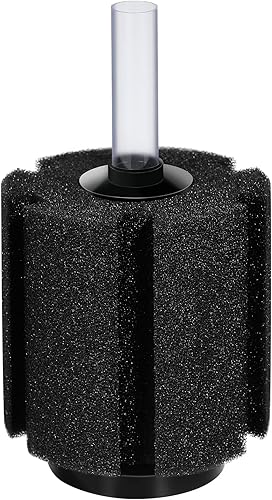
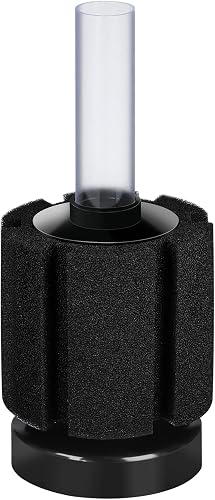
sponge filters comparison, in stock
AQUANEAT Aquarium Sponge Filter Breeding Fry Betta Shrimp Nano Fish Tank 4pcs (Large up to 60Gal)

AQUANEAT Aquarium Sponge Filter Breeding Fry Betta Shrimp Nano Fish Tank 4pcs (Middle up to 20Gal)
AQUANEAT Aquarium Bio Sponge Filter Breeding Fry Betta Shrimp Nano Fish Tank (Large up to 60Gal)

AQUANEAT Aquarium Bio Sponge Filter Breeding Fry Betta Shrimp Nano Fish Tank (Middle up to 20Gal)
AQUANEAT Aquarium Bio Sponge Filter Breeding Fry Betta Shrimp Nano Fish Tank (Small up to 10Gal)

AQUANEAT Aquarium Bio Sponge Filter Breeding Fry Betta Shrimp Nano Fish Tank (M Large up to 50Gal)

AQUANEAT 3 Pack Aquarium Bio Sponge Filter Breeding Fry Betta Shrimp Nano Fish Tank (Small up to 10Gal)

AQUANEAT Aquarium Corner Sponge Filter, for Breeding Shrimp Nano Fish Tanks with Airline Tubing, Valves and Suction…
AcuarioSano rating: combines the average rating and the number of buyer reviews on Amazon. No brand pays to be featured.
How a sponge filter works
A sponge filter has no motor in the water. An external air pump pushes air down a line to the filter; the bubbles rise through a vertical lift tube and drag water up with them. That movement pulls tank water through the sponge, which traps debris and, above all, hosts a huge colony of bacteria in its pores. It is pure biological filtration and very effective for its size.
Because the suction is very gentle and the sponge covers the whole intake, neither baby shrimp nor fry can be sucked in. The bubbles also stir the surface and oxygenate the water. That is why it is the go-to filter for breeding, shrimp and quarantine tanks.
When to choose a sponge filter
- Shrimp tanks: shrimp graze the biofilm on the sponge and their babies stay safe. It is the standard for cherry shrimp and other Neocaridina.
- Bettas: the betta has long fins and struggles in current; a sponge filter on low air is ideal.
- Fry and breeding: a must in breeding tanks, for example when breeding guppies.
- Quarantine and hospital tanks: keep a seeded sponge running in your main tank and move it to the quarantine tank whenever you need it, bacteria included.
- Backup filter: in large tanks, an extra sponge adds biological capacity and oxygen if the main filter fails.
What size to choose
Sponge filters are sold by tank size, with one or two sponges. Since the flow depends on the air pump rather than the filter itself, sizing up is the smart move: more sponge means more bacteria and less frequent cleaning. Double-sponge models let you clean one sponge and leave the other untouched.
| Tank | Recommended filter | Air pump | Typical use |
|---|---|---|---|
| 3-8 gal (10-30 l) | small single sponge | smallest pump with a valve | betta, nano shrimp tank |
| 8-15 gal (30-60 l) | medium or small double sponge | single-outlet pump | shrimp, breeding, quarantine |
| 15-30 gal (60-120 l) | large double sponge | 1-2 outlet pump | livebearer breeding, extra biology |
| Over 30 gal (120 l) | as a supplement | dual-outlet pump | backup to a canister filter |
You will also need an air pump, airline tubing and a check valve: see our picks of air pumps.
Tip: add an air control valve to the line. You can turn the bubbles right down for a betta or crank them up in a heavily stocked breeding tank.
Setup and cleaning
Assemble the filter, connect the airline with the check valve outside the water and place the pump above the waterline, or make sure the check valve is properly fitted, so water cannot siphon back into the pump during a power cut. Like any new filter, the sponge needs weeks to be colonized: follow the steps for cycling your aquarium or ask a friend for a piece of seeded sponge.
To clean it, lift it out gently with a bag or cup underneath and squeeze it several times in a bucket of tank water during your water changes. Every 3-6 weeks is usually enough, or whenever you see fewer bubbles or the sponge turns very dark.
Warning: never rinse it under the tap or with soap, and do not swap it for a new one unless it is falling apart. If you must replace it, do it in stages: a double-sponge model makes it easy to change one sponge and wait a few weeks before changing the other.
Common mistakes
- Skipping the check valve and having water siphon back to the pump in a power outage.
- Buying the filter but not the air pump, or a pump too weak for the tank depth.
- Relying on one small sponge filter as the only filter in a large, busy tank.
- Squeezing the sponge until it is white, wiping out the bacteria.
- Putting the pump on the floor with no check valve and no drip loop on the cord.
We compare spec sheets, verified reviews and real-world use criteria, but we do not physically test the products: treat the models above as a starting point and confirm tank size, sponge size and whether an air pump is included on each listing.
Frequently asked questions
Does a sponge filter need an air pump?
Yes, in most cases it runs on an external air pump with airline tubing and a check valve. Many sponge filters are sold without a pump, so check the listing before you buy.
Is a sponge filter enough for an aquarium?
For small or medium tanks with a light bioload, such as a nano shrimp tank, a betta tank or a breeding tank, yes. In large, heavily stocked tanks it is used alongside a canister or hang-on-back filter.
How often should you clean a sponge filter?
Every 3 to 6 weeks, or when you see fewer bubbles. Squeeze it in tank water, never tap water, and do not get it perfectly clean so you keep the beneficial bacteria.
Why is a sponge filter best for shrimp?
Because the suction is very gentle and the sponge keeps baby shrimp out of the filter. Shrimp also feed on the biofilm that grows on the sponge, and the current stays minimal.
You may also like
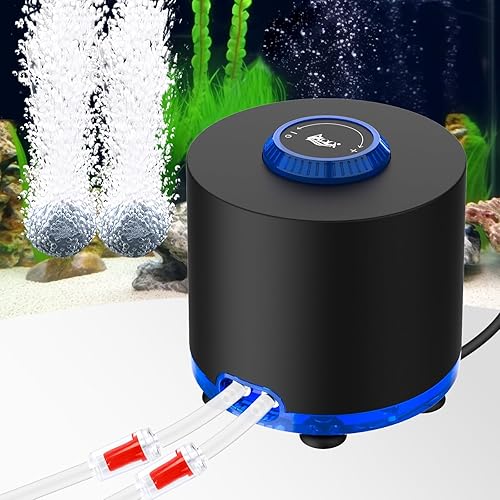 Gear reviewAquarium air pumps and air stones
 Gear reviewHang-on-back filters
 Gear reviewNano aquariums
 ProfileCherry shrimp
 ProfileBetta fish
- GuideHow to Breed Guppies: Ratio, Gestation, Fry Care and Surplus Fish
- GuideAquarium Without a Filter or Heater: Can You Do It Safely?
- GuideAquarium Temperature: Ideal Range, Heaters, Summer and Outages