If you buy through our links, Amazon pays us a small commission at no extra cost to you. That’s how we keep the site running. How we choose.
Contents
Our top 3 picks
Stock checked on October 7, 2026
aquarium bacteria starters comparison, in stock

Seachem Stability - 250ml/ 8.5 fl. oz.

Seachem Stability - 50 ml/ 1.7 fl. oz.

Seachem Stability 500 mL / 17 fl. oz.


Fritz Aquatics FritzZyme 7 Live Nitrifying Bacteria Naturally Removes Amonia & Nitrite for Freshwater Fish (64-Ounce)
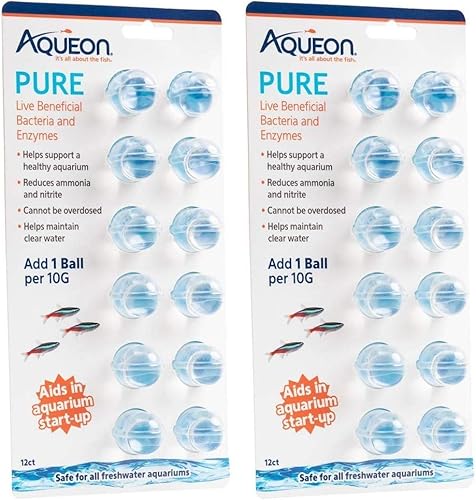
Aqueon 2 Pack of Pure Live Beneficial Bacteria and Enzymes for Aquariums, 12 Pack Each, Treats Up to 240 Gallons

DrTim’s Aquatics One & Only for Freshwater Aquariums – 8 oz – Live Nitrifying Solution – Jumpstarts Cycling, Supports…
MICROBE-LIFT Bacterial Cleaner and Balancer for Salt and Fresh Water Tanks and Aquariums, Reduces Organic Waste and…
AcuarioSano rating: combines the average rating and the number of buyer reviews on Amazon. No brand pays to be featured.
What nitrifying bacteria actually do
In a healthy tank, leftover food and fish waste release ammonia, which is toxic even at low levels. One group of bacteria turns it into nitrite (also toxic) and another converts nitrite into nitrate, which is far less harmful and is removed with water changes. These colonies live mainly in the filter media and the substrate, not in the water column. Growing them is what we call cycling the aquarium, and done naturally it takes 4 to 6 weeks.
A bottle of bacteria provides a starter culture so those colonies get going sooner. Used well it can cut the process to 2-3 weeks; used badly, it does nothing at all.
Types of bacteria products
- Live nitrifying bacteria in liquid: they contain the species that oxidize ammonia and nitrite. These are the ones that genuinely help with cycling. Some need to stay cool or have a short shelf life, so check the date and how the seller stores them.
- Multi-strain maintenance products: blends of heterotrophic bacteria that break down organic waste and sludge. Handy after filter cleaning, but they do little to establish the nitrogen cycle.
- Powder, gel or capsule bacteria: more stable for shipping and storage; effectiveness varies a lot by brand.
Common brands on Amazon include Tetra, API, Seachem, Fluval and JBL. Read the listing: look for nitrifying bacteria and use in new tanks.
Quick comparison
| Option | Speed | Reliability | When to use it |
|---|---|---|---|
| Natural cycle, no additives | 4-6 weeks | high, if you are patient | always works |
| Live nitrifying bacteria + ammonia source | 2-4 weeks | medium to high | new tank, fishless cycle |
| Media from a mature filter | days to 2 weeks | very high | if you have another healthy tank |
| Maintenance bacteria | not applicable | variable | after cleaning or medication |
How to do a fishless cycle with bottled bacteria
- Set up the tank with the filter and heater running, and treat the water with a dechlorinator.
- Add the dose of bacteria the manufacturer recommends (a little extra is harmless).
- Provide an ammonia source: aquarium ammonium chloride, a pinch of flakes left to rot, or a frozen shrimp in a nylon stocking. Aim for a low, steady level of about 1-2 ppm.
- Test ammonia and nitrite every 2-3 days with a liquid test kit. You will see nitrite rise first and then nitrate appear.
- The tank is cycled when, 24 hours after dosing ammonia, ammonia and nitrite both read 0 and nitrate is climbing. Do a large water change and start with just a few fish.
Tip: the fastest, most reliable shortcut is still a handful of sponge or ceramic rings from a mature filter on a healthy tank. Combine it with bottled bacteria and porous filter media in your own filter.
Realistic expectations
No bottle makes it safe to fully stock a tank on day one, whatever the label implies. Colonies grow in proportion to the load they receive: add lots of fish at once and the ammonia outpaces what the filter can handle, even in a 20-gallon (75 l) tank. Sensitive species such as cherry shrimp or neon tetras should wait for a tank that has been stable for several weeks, with water parameters under control.
Warning: activated carbon does not remove bacteria, but many medications and tap water chlorine or chloramine do. Never rinse the filter sponge under the tap, and do not dose bacteria right after an antibiotic course: wait until treatment is finished.
Common mistakes
- Adding bacteria with no ammonia source: without food, the colony cannot grow.
- Not testing and trusting the calendar or the label instead.
- Adding untreated tap water right after dosing.
- Switching the filter off during the cycle or replacing all the media at once.
- Buying expired bottles or ones that have sat in the heat.
We compare spec sheets, verified reviews and real-world use criteria, but we do not physically test the products.
Frequently asked questions
Does bottled bacteria really work?
Products with live nitrifying bacteria can shorten cycling, especially combined with an ammonia source and regular testing. They do not replace testing: until ammonia and nitrite read 0, the tank is not cycled.
Can I add fish the same day I add bacteria?
It is not recommended. Even if some labels suggest it, the safe route is a fishless cycle and then a few hardy fish once tests confirm ammonia and nitrite at 0.
How long does cycling take with bacteria?
With good bacteria and a steady ammonia source it usually drops to 2-4 weeks, versus 4-6 weeks for a natural cycle. Seeded media from a mature filter can make it even faster.
Do I need to add bacteria after every water change?
Not in a mature tank, because the bacteria live in the filter and substrate. It can help after a deep filter clean, a medication course or a big jump in stocking.
You may also like
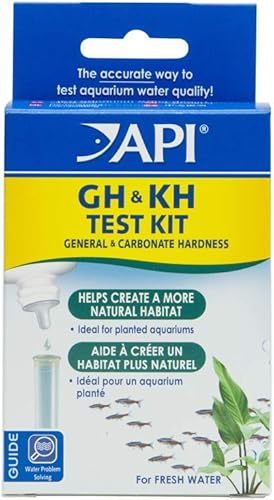 Gear reviewAquarium water test kits
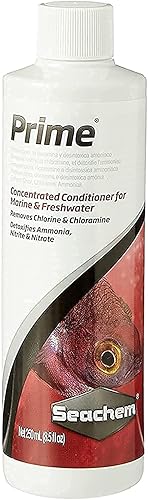 Gear reviewAquarium water conditioners
 Gear reviewAquarium filter media
- GuideAquarium Cycling: The Nitrogen Cycle, Testing and When to Add Fish
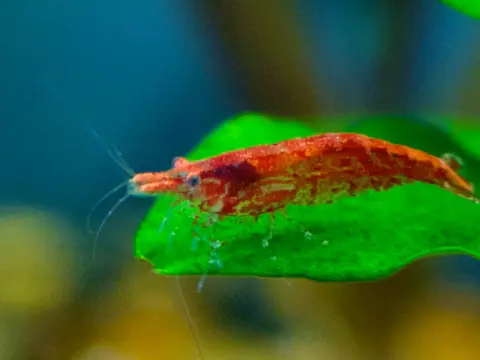 ProfileCherry shrimp
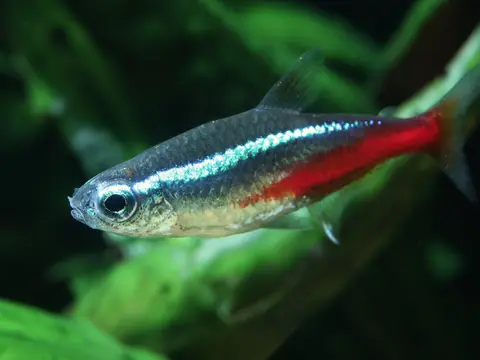 ProfileNeon tetra
- GuideHow to Acclimate Fish: Floating, Drip Method and Quarantine
- GuideAquarium Water Parameters: Ideal Ranges and How to Test