If you buy through our links, Amazon pays us a small commission at no extra cost to you. That’s how we keep the site running. How we choose.
Contents
Overview
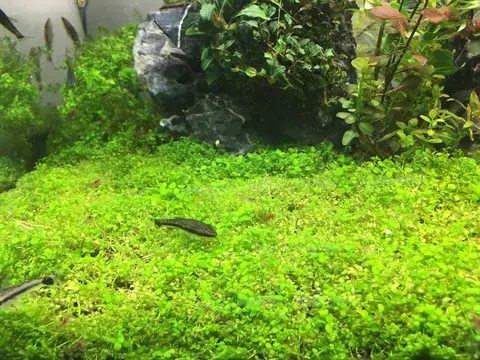
Dwarf baby tears (Hemianthus callitrichoides 'Cuba'), often just called HC, is the carpeting plant with the smallest leaves in the hobby: only 2-3 mm, round and bright green. Grown well, it forms a tight lawn just an inch or so tall that has become a signature of countless aquascapes, especially nature-style and nano layouts.
It comes from Cuba and other Caribbean islands, where it grows on damp rocks and stream banks. Its beauty comes at a price: it is demanding. Without strong light, CO2 and steady fertilizing it stretches, lifts out of the substrate or melts away. It is not a plant for a first, low-tech tank, but it is a very rewarding challenge once you have the balance of light, CO2 and nutrients under control.
Care and tank setup
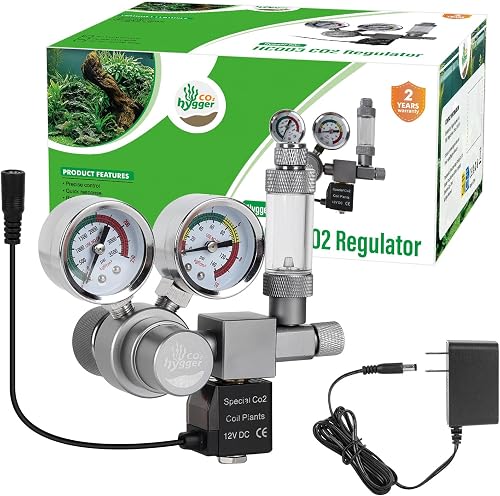
Three things matter most: high light, injected CO2 and a nutrient-rich substrate. In medium light or without CO2 it grows upward toward the light, forms a tangled layer, and the lower parts rot.
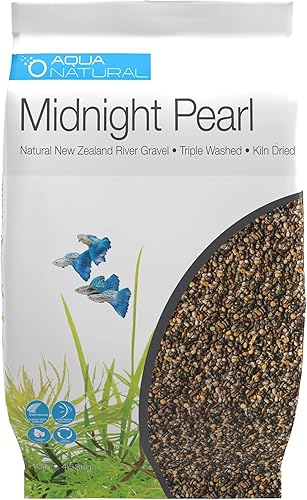
- Substrate: a fine-grained aqua soil helps its tiny roots take hold. In coarse gravel it floats up and comes loose.
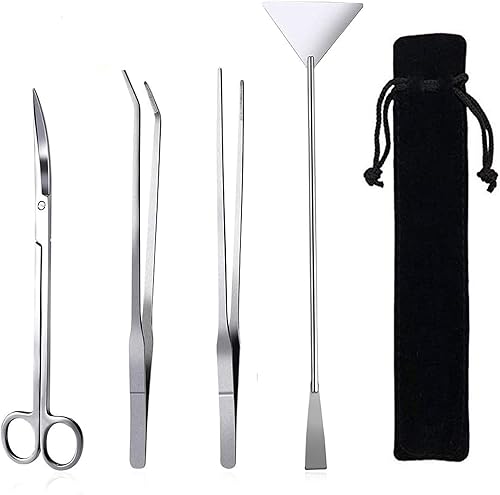
- Planting: use tweezers to plant small clumps of a few stems, 0.5-1 in (1-2 cm) apart. Tissue-culture cups are the easiest option and arrive free of snails and algae.
- Dry start: growing it emersed for a few weeks on moist, covered substrate before flooding the tank helps it anchor firmly.
- Water: soft, slightly acidic water at 68-82°F (20-28°C) is best, with good circulation to deliver CO2 to the carpet.
Avoid fish that dig. Shrimp, on the other hand, are great helpers for keeping the carpet clean of debris and algae.
Fertilizing and trimming
It needs complete, regular fertilizing: macronutrients (nitrogen, phosphorus, potassium) plus micronutrients with iron. Yellow or translucent leaves usually point to a deficiency. Once the carpet fills in, trim it with curved scissors every two to three weeks to keep it low and dense. If it gets too thick, the bottom layer loses light, rots, and the whole mat lifts off. Always remove the clippings.
Propagation
It spreads on its own with creeping stems that root at every node. To cover new areas, split off well-rooted portions of carpet and replant them in small clumps. If an old carpet has lifted or grown too thick, it is usually best to pull it and replant healthy pieces. Grown emersed during a dry start it spreads quickly, which is the most effective way to fill the foreground.
Recommended equipment
What you need to keep the Dwarf baby tears healthy, checked against Amazon stock.


Frequently asked questions
What light and CO₂ does Dwarf baby tears need?
Light: high. CO₂: essential. Growth: moderate.
Is it a good plant for beginners?
Not the best choice to start with: it needs strong light, CO₂ and consistent fertilizing.
You may also like
 ProfileDwarf hairgrass (Eleocharis parvula)
 ProfileMonte Carlo
 ProfileDwarf sagittaria (Sagittaria subulata)
- GuideAquascaping: Styles, Composition and Tips for Beginners
- GuideCO2 in a Planted Tank: When You Need It and How to Dial It In
- Gear reviewPlanted aquarium LED lights
- Gear reviewAquarium plant fertilizers
- GuidePlanted Tank for Beginners: Light, Substrate, Fertilizer and CO2