If you buy through our links, Amazon pays us a small commission at no extra cost to you. That’s how we keep the site running. How we choose.
Contents
Our top 3 picks
Stock checked on October 7, 2026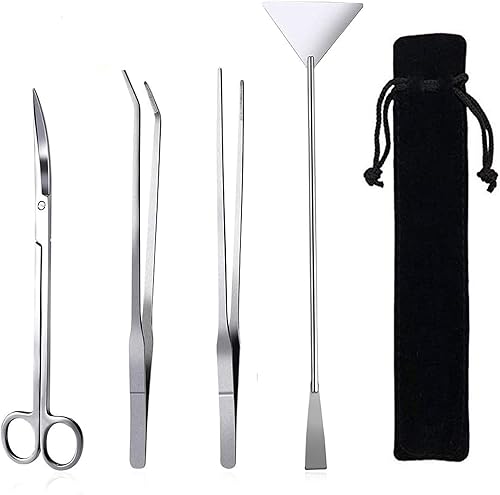

aquascaping tools comparison, in stock
Aquarium Aquascaping Tool, Long Tweezers Scissors Spatula, 4 in 1 Stainless Steel Aquatic Plants Set for Fish Starter…
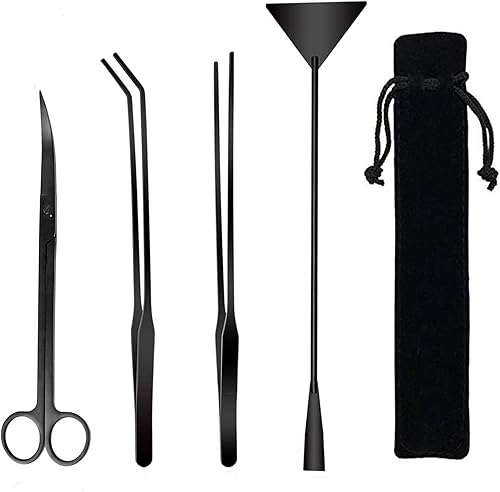
Aquarium Scissor Tweezers Spatula Tool - 4 in 1 Stainless Steel Aquatic Plants Aquascaping Tools Set for Fish Starter…
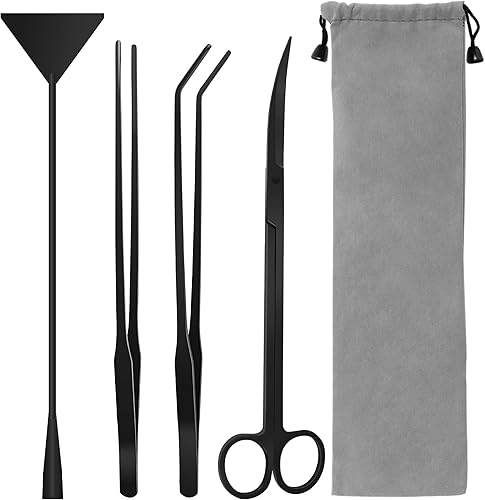
Aquarium Aquascape Tools Kit, 4 in 1 Anti-Rust Aquatic Plant Aquascaping Tool Stainless Steel Black Tweezers Scissors…
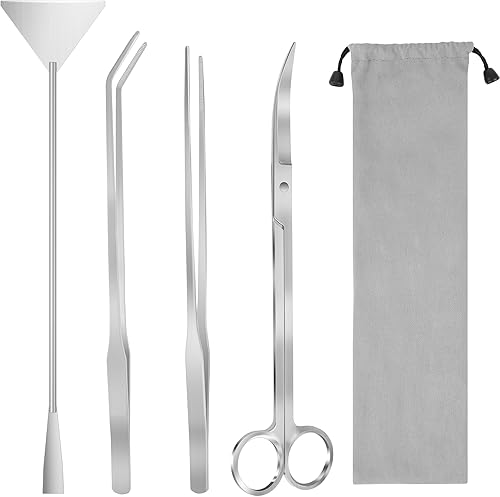
Aquarium Aquascape Tools Kit, 4 Pcs Stainless Steel Aquascaping Set
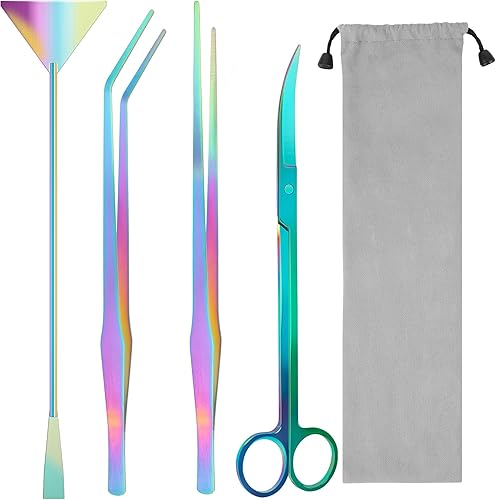
Aquarium Aquascape Tools Kit, 4 Pcs Stainless Steel Aquascaping Set
Aquarium Tweezers, Capetsma Stainless Steel Aquarium Plant Tools Long Aquascaping Tools Scissors Spatula Aquatic Plants…

VORESTIC 4Pcs Aquascaping Tools, Stainless Steel Aquarium Tweezers, Scissors and Spatula - Aquascape Tools Set for…

VORESTIC Long Aquarium Scissors 9.8-Inch, Curved Aquascaping Scissors
AcuarioSano rating: combines the average rating and the number of buyer reviews on Amazon. No brand pays to be featured.
The basic tools
Tweezers
These get the most use. Straight tweezers push stems and cuttings into the substrate and pick out dead leaves; curved tweezers reach corners and spots behind rocks and driftwood, and let you plant at an angle without blocking your view. For planting small portions of Dwarf Baby Tears (HC Cuba) or Monte Carlo, look for fine tips that close tightly with no play.
Scissors
- Long straight scissors: for trimming stem plants such as Rotala rotundifolia to the height you want.
- Curved scissors: essential for trimming carpets and moss flush with the substrate or driftwood without crushing the plants.
- Wave scissors: the wavy blade helps trim dense carpets and mosses for a more natural cut.
Spatulas and extras
A spatula smooths and shapes substrate slopes and helps clean sand off the front glass. Other handy extras include spring-loaded planting tools, small rakes and narrow tubes for precise siphoning.
Which tool for which job
| Tool | Main use | Typical length | Must-have |
|---|---|---|---|
| Straight tweezers | planting stems, removing debris | 10-12 in (25-30 cm) | yes |
| Curved tweezers | planting carpets and corners | 10-12 in (25-30 cm) | highly recommended |
| Curved scissors | trimming carpets and moss | 8-10 in (20-25 cm) | yes, for planted tanks |
| Straight scissors | trimming stem plants | 10 in (25 cm) | recommended |
| Wave scissors | dense carpets and mosses | 8-10 in (20-25 cm) | optional |
| Spatula | shaping and smoothing substrate | 10-12 in (25-30 cm) | recommended |
How to choose
Length should exceed your tank's height just enough to work without getting your arm wet: 8-10 inches (20-25 cm) is plenty for nano tanks, while tanks 18-24 inches (45-60 cm) tall call for 12 inches (30 cm) or more. Overly long tools are hard to control in small tanks.
Material matters most: look for good-quality stainless steel (for example 304 grade or better). Untreated steel or cheap coatings rust in water, and flaking rust or paint is bad for plants, fish and shrimp. A 3-5 piece kit (straight tweezers, curved tweezers, curved scissors, straight scissors and a spatula) is usually better value than buying pieces separately. ADA, Chihiros, Fluval, Dennerle and JBL have well-known ranges, and many generic brands are fine if the steel is good.
Pay attention to grip too: a textured handle or anti-slip rings keep the tool from slipping in wet hands. Tweezers are also ideal for tucking bits of Java moss into cracks in rocks and driftwood, and a pouch or case protects the fine tips.
Tip: to plant stems, grip them at the base with the tweezers at an angle, push them in about 1.5 inches (3-4 cm), and open the tweezers while still inside the substrate before pulling out. That way the plant does not float back up.
Care and maintenance
Rinse your tools in tap water after every use and dry them thoroughly before storing. If you keep several tanks, clean them between tanks to avoid spreading algae or snails. Never use bleach or harsh chemicals that might stay on the metal. Check now and then that the scissors cut cleanly: a dull blade crushes stems and makes them rot.
Warning: aquascaping tweezers and scissors have very sharp tips. Work carefully near the silicone seams and store them out of children's reach.
Common mistakes
- Buying "bargain" tools that rust within weeks.
- Using kitchen or craft scissors, which do not reach the bottom and crush stems.
- Planting carpets in large clumps instead of small, spaced-out plugs.
- Choosing tools that are too short for a tall tank, or too long for a nano.
Substrate matters for successful planting too: see our comparison of planted aquarium substrates and our aquascaping guide. We compare spec sheets, verified reviews and real-world criteria, but we do not physically test the products.
Frequently asked questions
What aquascaping tools do I need to start?
Long straight or curved tweezers, curved scissors and a spatula cover most jobs. A 3-5 piece stainless steel kit is usually the most affordable way to get started.
How long should aquarium tweezers be?
Long enough to reach the bottom without dunking your arm: about 8-10 inches for nano tanks and 12 inches or more for tall tanks. Very long tweezers are harder to control.
Do aquascaping tools rust?
Good-quality stainless steel tools should not rust if you rinse and dry them after each use. Cheap coated tools can shed rust or paint into the water.
What are curved aquarium scissors for?
Trimming carpets, mosses and plants flush with the substrate or driftwood without crushing them, which straight scissors cannot do as precisely.
You may also like
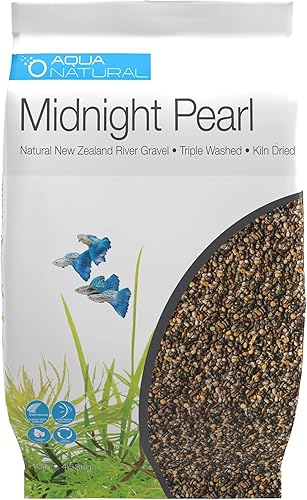 Gear reviewPlanted aquarium substrates
 Gear reviewAquarium plant fertilizers
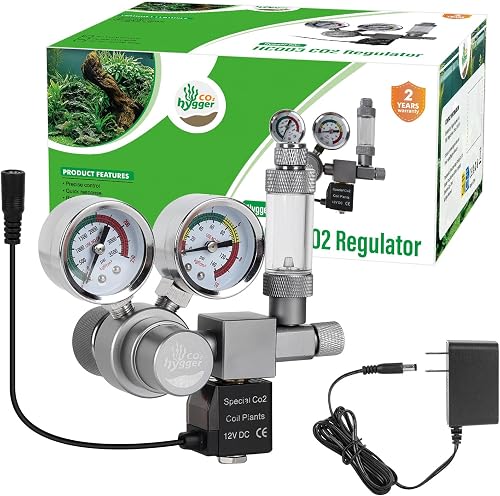 Gear reviewAquarium CO₂ systems
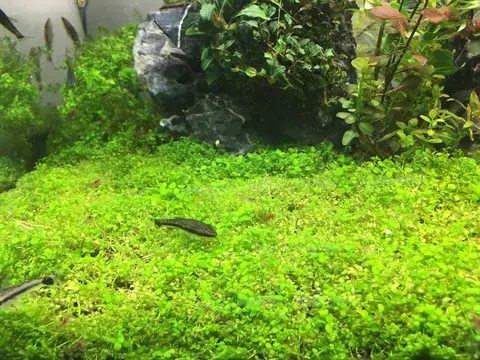 ProfileDwarf baby tears
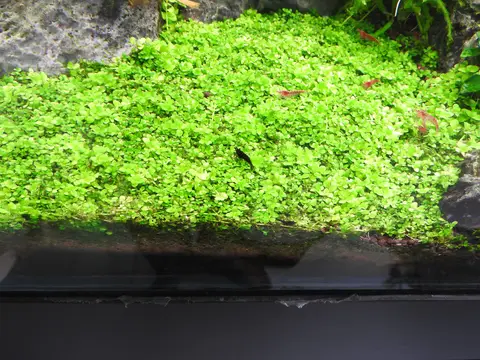 ProfileMonte Carlo
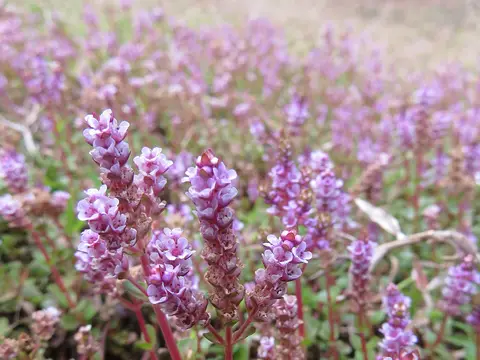 ProfileRotala rotundifolia
- GuideAquascaping: Styles, Composition and Tips for Beginners
- GuideFirst Aquarium for Beginners: Tank Size, Equipment and Easy Fish