If you buy through our links, Amazon pays us a small commission at no extra cost to you. That’s how we keep the site running. How we choose.
Contents
Our top 3 picks
Stock checked on October 7, 2026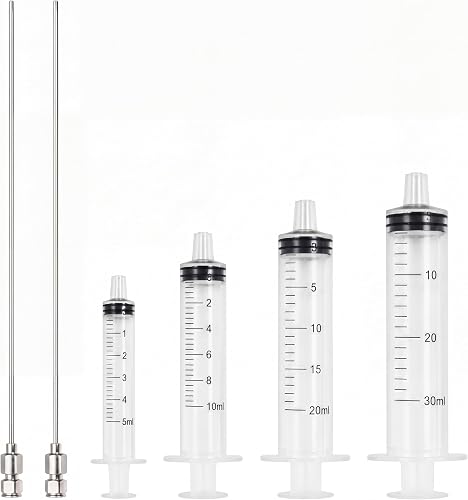

aquarium plant fertilizers comparison, in stock
Aquarium Plant Fertilizer Injector Kit, 2 Pcs 12 Inch Stainless Steel Long Needle with 4 Pcs Injector Syringe (5ml…

NilocG ThriveTabs Root Fertilizer Tablets for Planted Aquariums, 30 Count
Root Tabs, Aquarium Plant Fertilizer, Aquarium Water Care Tabs, 100 Tabs Aquarium Plant Food Safe for Fish and Shrimp…

Root Tabs, Aquarium Plant Fertilizer, Aquarium Water Care Tabs, 100 Tabs Aquarium Plant Food Safe for Fish and Shrimp…
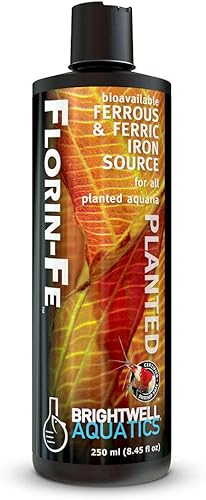
Brightwell Aquatics Florin-Fe Aquarium Plant Iron Formula, 250ml
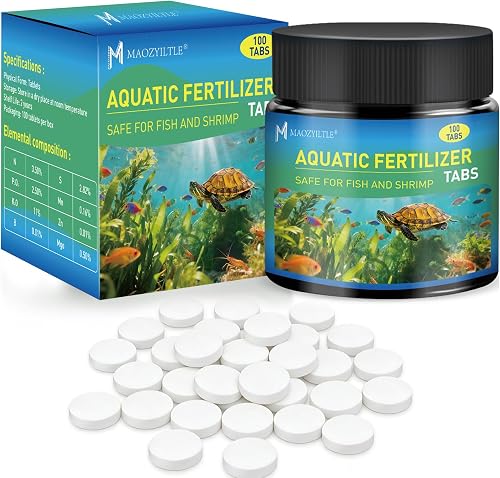
Root Tabs Freshwater Aquarium Plant Fertilizer, Slow-Release 100 Tabs 1g/Tab, Safe for Fish and Shrimp, for Planted…
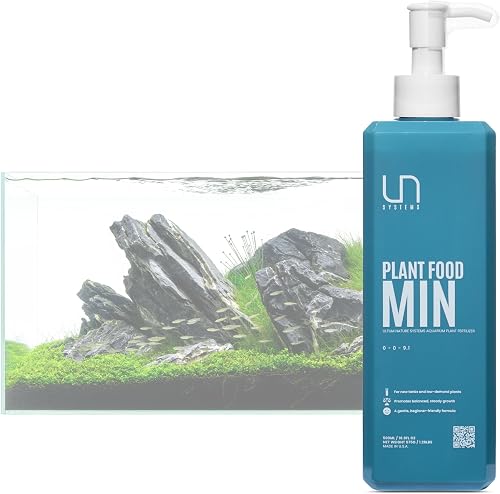
Ultum Nature Systems Plant Food - Live Aquarium Plant Fertilizer for Fish Tanks - Provides Essential Macro and…
Aqua Potasflow Potassium Fertilizer for Live Aquarium Plants - 250ml / 8.45 fl oz - Premium Liquid Plant Food, Supports…
AcuarioSano rating: combines the average rating and the number of buyer reviews on Amazon. No brand pays to be featured.
What nutrients plants need
Aquatic plants absorb nutrients from the water through their leaves and from the substrate through their roots. They fall into two groups:
- Macronutrients: nitrogen (N), phosphorus (P) and potassium (K), used in larger amounts. In a well-stocked tank some nitrate and phosphate already come from fish food, but potassium is almost always lacking.
- Micronutrients: iron, manganese, boron, zinc, molybdenum and other trace elements. Plants need tiny amounts, but deficiencies show quickly: pale yellow or see-through new leaves often point to a lack of iron.
Types of aquarium fertilizer
All-in-one liquid fertilizer
It contains macros and micros in one bottle and is dosed once or twice a week, usually after the water change. It is the easiest option for tanks with slow- or medium-growing plants. Seachem, Tropica, API, Fluval, Easy-Life and Dennerle all make products of this kind.
Separate macros and micros
Some ranges split NPK from trace elements and iron. That lets you fine-tune dosing in demanding high-tech tanks with CO₂ and strong light, where plants like Rotala rotundifolia are heavy feeders. It takes more attention and ideally nitrate and phosphate test kits.
Root tabs
You push them into the substrate next to root-feeding plants: Cryptocoryne wendtii, Amazon swords or Vallisneria. They are essential with inert gravel and usually need replacing every 1-3 months, depending on the brand.
Iron supplements
A dedicated supplement for red plants or obvious deficiencies. Chelated iron breaks down with light and oxidation, so it is dosed in small amounts and often.
Format comparison
| Format | Ease of use | Precision | Best for |
|---|---|---|---|
| All-in-one liquid | very high | medium | beginners and low-tech tanks |
| Macros + micros | medium | high | high-tech tanks with CO₂ |
| Root tabs | high | targeted | root feeders and inert gravel |
| Iron | high | high | red plants and deficiencies |
How to dose
Start with half the recommended dose and raise it gradually over several weeks while watching plants and algae. Demand depends on light and CO₂: a low-light tank without CO₂ may need only a quarter dose, while a high-light tank with CO₂ may need the full amount. Most labels give the dose per 10 or 25 gallons; check whether yours is metric. Keep nitrate below 25-40 ppm (below 20 ppm with shrimp) and stick to your weekly 20-30% water change to prevent buildup.
Learn to read the leaves: yellowing on older leaves usually means a nitrogen or potassium shortage, pinholes in older leaves point to potassium, and pale new growth points to iron or other micros. Fix one thing at a time and give it a week before judging the result.
Tip: dose right after the water change and log it on a calendar. If new leaves grow in healthy for two or three weeks and no algae appear, you have found the right amount.
Shrimp and copper: be careful
Copper is a trace element plants need in tiny amounts, but shrimp and snails are very sensitive to it. Many fertilizers are labeled "shrimp safe": in tanks with cherry shrimp or other invertebrates, choose those products and start with low doses.
Warning: never use garden or houseplant fertilizer in an aquarium. It contains urea, ammonium or phosphates at levels that trigger algae blooms and can poison fish.
Common mistakes
- Dosing by eye, or adding more when algae appear, which usually signals imbalance rather than a shortage.
- Skipping root tabs in inert gravel for root-feeding plants.
- Heavy dosing under weak light: plants cannot use the nutrients.
- Forgetting that a CO₂ system multiplies nutrient demand.
If you are just starting out, our beginner's guide to planted tanks explains how to balance light, nutrients and CO₂. We compare spec sheets, verified reviews and real-world criteria, but we do not physically test the products.
Frequently asked questions
How often should I fertilize a planted tank?
All-in-one fertilizers are usually dosed once or twice a week, typically after the water change. In high-tech tanks with CO₂ and strong light the dose is often split over several days.
What fertilizer do I need with regular gravel?
A liquid fertilizer for the water column plus root tabs pushed into the gravel next to root-feeding plants such as crypts and Amazon swords.
Are aquarium fertilizers safe for shrimp?
They can be harmful if they contain too much copper or are overdosed. Choose products labeled shrimp safe and start at half the recommended dose.
Why do I get algae when I fertilize?
Usually it is an imbalance: too much fertilizer for the available light and CO₂, or too few plants. Cut the dose, check your lighting hours and add more plant mass.
You may also like
 Gear reviewAquarium CO₂ systems
 Gear reviewPlanted aquarium substrates
 Gear reviewPlanted aquarium LED lights
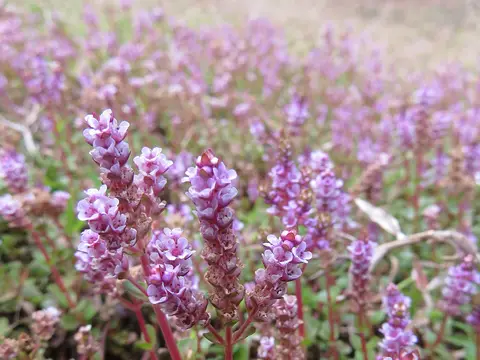 ProfileRotala rotundifolia
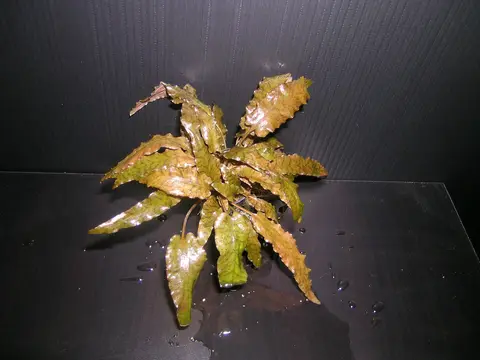 ProfileCryptocoryne wendtii
 ProfileAmazon sword (Echinodorus bleheri)
- GuidePlanted Tank for Beginners: Light, Substrate, Fertilizer and CO2
- GuideCO2 in a Planted Tank: When You Need It and How to Dial It In