If you buy through our links, Amazon pays us a small commission at no extra cost to you. That’s how we keep the site running. How we choose.
Contents
Overview
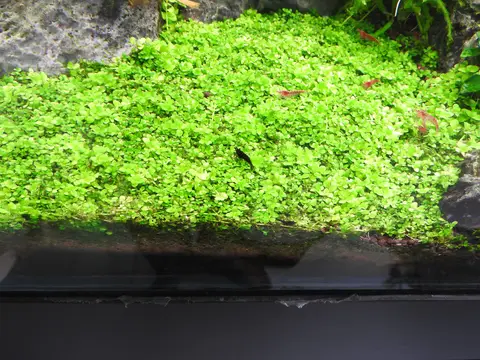
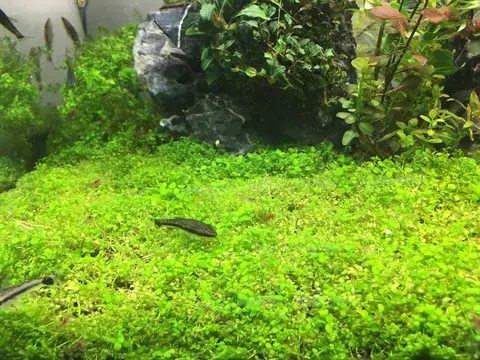
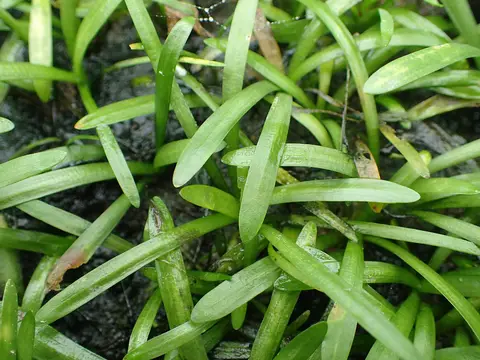
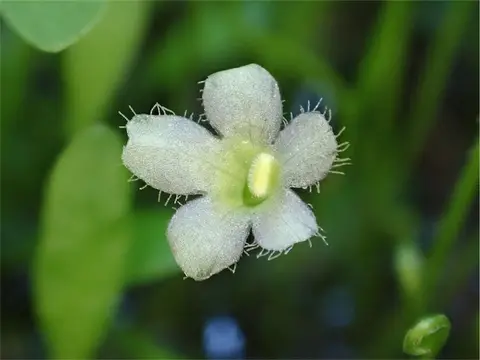
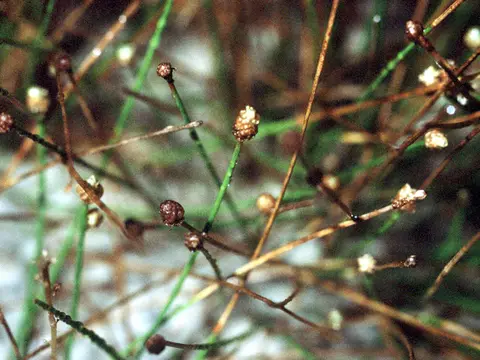
Dwarf hairgrass (Eleocharis parvula) is a small spikerush with needle-thin leaves that, given the right conditions, spreads into a bright green lawn only a couple of inches tall. In the wild it grows on muddy shores and in marshes across North America and Europe, so it handles both submersed and emersed life.
It is a staple of nature-style aquascapes: it reads as a meadow, adds depth and sways nicely in the current. Compared with regular Eleocharis acicularis, it stays shorter and denser. It suits hobbyists with some experience, or patient beginners willing to dial in lighting and fertilizer.
Care and tank setup
The secret to dwarf hairgrass is enough light and a nutrient-rich substrate. It survives under medium light, but a thick carpet really needs medium-high light and CO2.
- Light: medium to high, around 8 hours a day. In low light it stretches, yellows and stays in sparse clumps.
- CO2: optional, but it speeds up spreading dramatically; without it the carpet can take months to fill in.
- Substrate: fine gravel or, better, a fine-grain aqua soil the runners can push through easily.
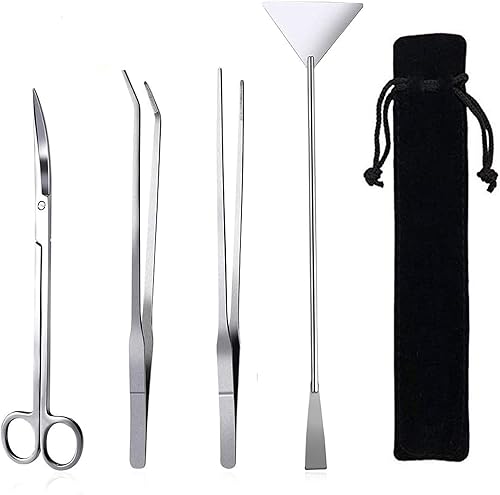
- Planting: split the pot into clumps of 4-6 blades and push them in with tweezers about 1 inch apart.
- Placement: foreground and open areas, away from the shade of tall stems or driftwood.
A classic mistake is planting thick clumps: they rot from the inside and never spread. Hair algae also love to tangle in the blades, so keep the tank cycled, with good flow and balanced nutrients.
Fertilizing and trimming
It responds well to complete fertilization: root tabs every 2-3 months in inert gravel, plus a liquid fertilizer with nitrogen, potassium and iron. Keep the lawn short by trimming it with curved scissors to about 1 inch once it passes 2 inches, and siphon out the clippings so they don't rot. Thin out clumps if the mat gets too dense.
Propagation
It spreads on its own through runners that creep under the substrate and send up new shoots every inch or so. To expand the carpet, just pull apart rooted clumps and replant them in bare spots. Many aquascapers grow it emersed first (the dry start method, with damp soil and a covered tank) so it covers the ground before flooding, which cuts down algae at startup.
Recommended equipment
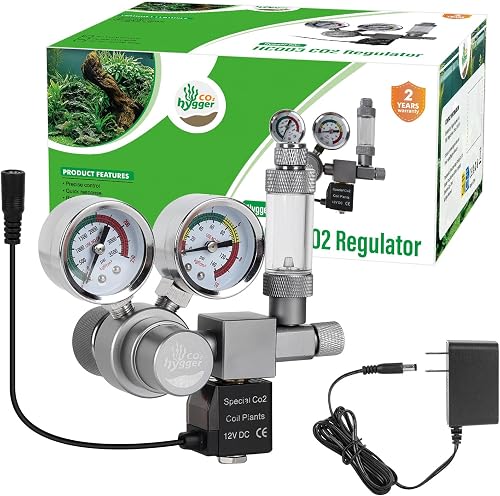
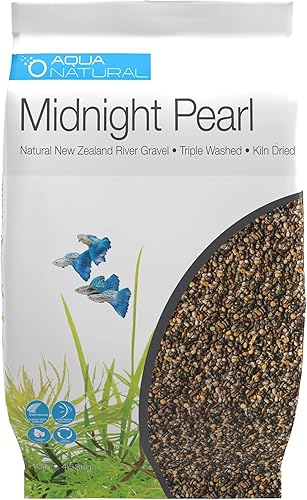
What you need to keep the Dwarf hairgrass (Eleocharis parvula) healthy, checked against Amazon stock.


Frequently asked questions
What light and CO₂ does Dwarf hairgrass (Eleocharis parvula) need?
Light: medium. CO₂: optional (helps). Growth: moderate.
Is it a good plant for beginners?
It’s manageable if you have decent lighting and fertilize regularly.