If you buy through our links, Amazon pays us a small commission at no extra cost to you. That’s how we keep the site running. How we choose.
Contents
Overview
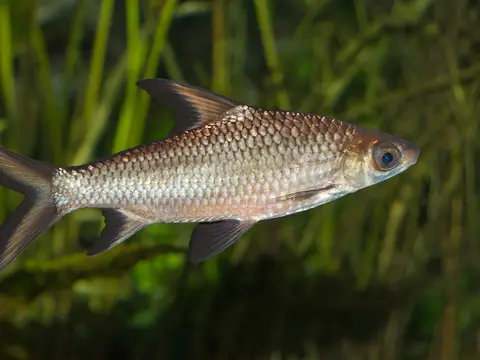
The bala shark isn't a shark at all but a large minnow (cyprinid) from Borneo, Sumatra and the Malay Peninsula. Its long silver body, tall dorsal fin and black-edged, yellowish fins give it a mini-shark look that made it a pet-store staple.
Here's the catch: it is sold at 2 to 3 inches in big-box stores, yet adults easily top 12 inches (30 cm), swim extremely fast and need to live in a group. Very few home aquariums can house them properly. In the wild the species is threatened (the IUCN lists it as Endangered), and the fish in the trade come from Asian fish farms. It is only a good choice if you already have, or are committed to building, a truly large tank.
Care and tank setup
Let's be clear: a group of five adult bala sharks needs a tank of roughly 250 gallons (1,000 liters) or more, at least 6.5 feet (2 m) long and wide enough to turn. A juvenile in a 30- to 55-gallon tank will grow stunted, stressed and skittish.
- Group: five at minimum; kept alone or in pairs they become nervous and live shorter lives.
- Lid: they jump hard when startled, so use a heavy, tight-fitting lid.
- Water: very clean and well oxygenated, with oversized filtration and generous weekly water changes.
- Decor: mostly open swimming space, a few pieces of driftwood and hardy plants around the edges.
- Tank mates: large, peaceful fish such as giant gouramis, big barbs, large rainbowfish or plecos.
They are peaceful, but adults will eat any fish that fits in their mouth, including small tetras, plus every shrimp in the tank. Don't buy one planning to "upgrade later," and never release one into the wild.
Feeding
Bala sharks are unfussy omnivores. Feed quality pellets sized to the fish as the staple, plus brine shrimp, krill, bloodworms, mysis and blanched vegetables like peas or zucchini. Adults eat a lot and produce plenty of waste, another reason for heavy filtration and frequent water changes.
Breeding
They don't breed in home aquariums. Their size, the need for large groups and their spawning requirements make it practically impossible. Fish sold in stores are produced on Southeast Asian farms, usually with hormone-induced spawning in large ponds, which at least takes pressure off the remaining wild populations.
Compatible tank mates
Species from our database that share water parameters, size and temperament with the Bala shark. Calculated from the data in each profile.
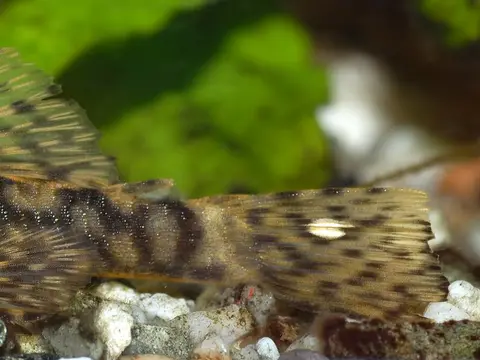 Bristlenose pleco Ancistrus sp. 26 gal (100 L) · 72–81 °F (22–27 °C)
 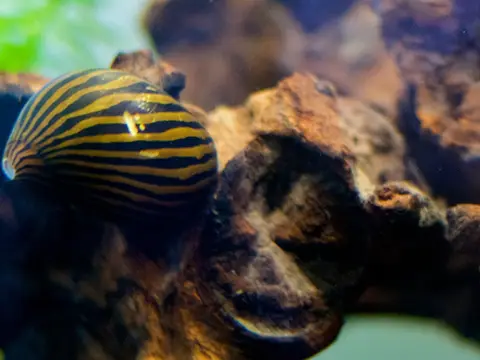 Nerite snail Neritina natalensis 5 gal (20 L) · 72–82 °F (22–28 °C)
 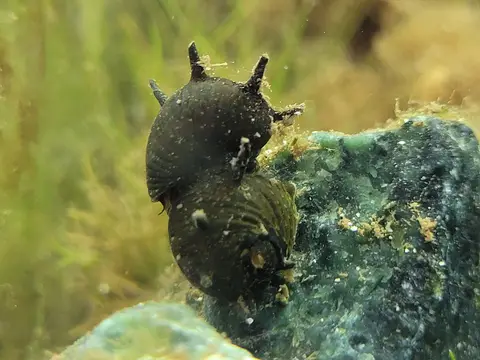 Horned nerite snail Clithon corona 5 gal (20 L) · 72–82 °F (22–28 °C)
 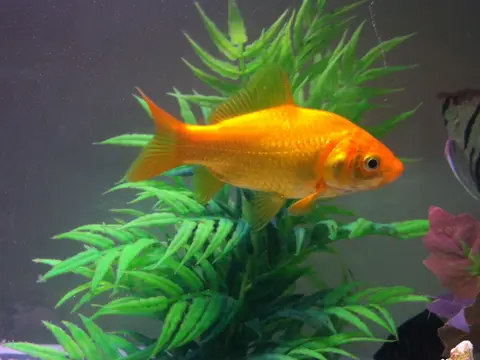 Common goldfish Carassius auratus 79 gal (300 L) · 50–75 °F (10–24 °C)
 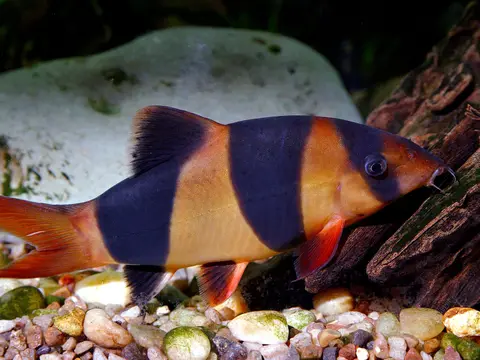 Clown loach Chromobotia macracanthus 132 gal (500 L) · 77–86 °F (25–30 °C)
 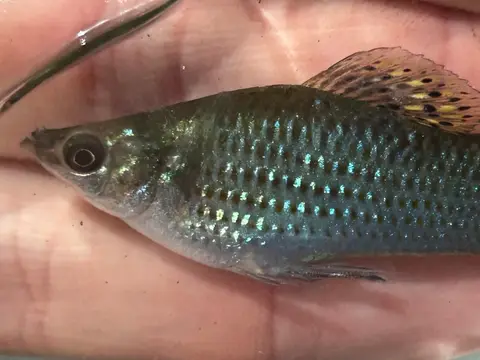 Molly Poecilia sphenops 26 gal (100 L) · 75–82 °F (24–28 °C)
 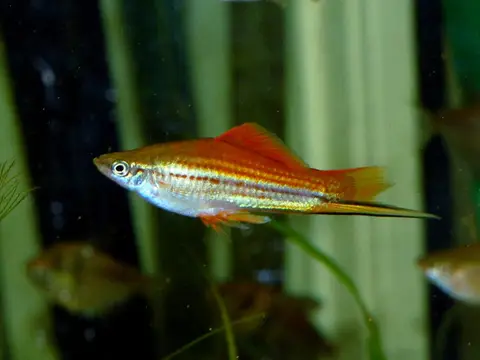 Swordtail Xiphophorus hellerii 32 gal (120 L) · 72–81 °F (22–27 °C)
 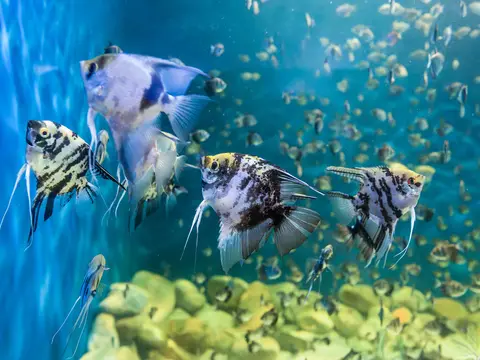 Angelfish Pterophyllum scalare 53 gal (200 L) · 75–84 °F (24–29 °C)
 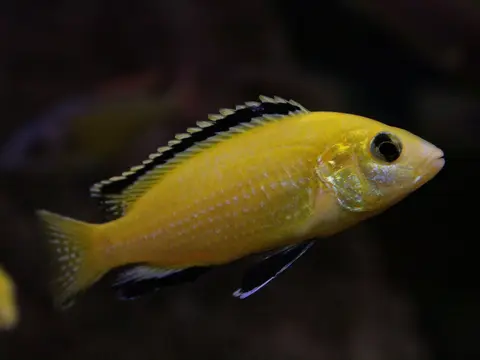 Yellow lab cichlid Labidochromis caeruleus 53 gal (200 L) · 75–82 °F (24–28 °C)
 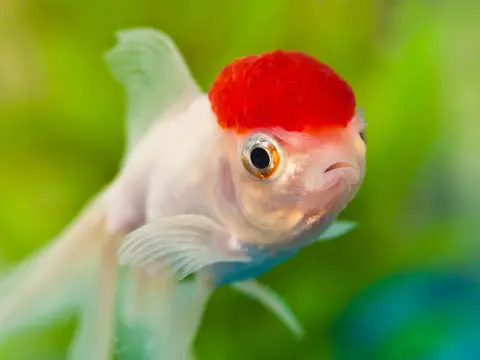 Oranda goldfish Carassius auratus 40 gal (150 L) · 59–75 °F (15–24 °C)
 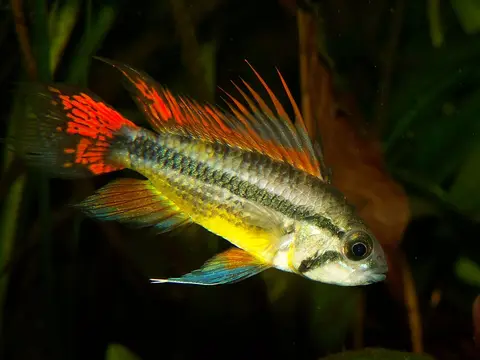 Cockatoo dwarf cichlid Apistogramma cacatuoides 16 gal (60 L) · 75–82 °F (24–28 °C)
 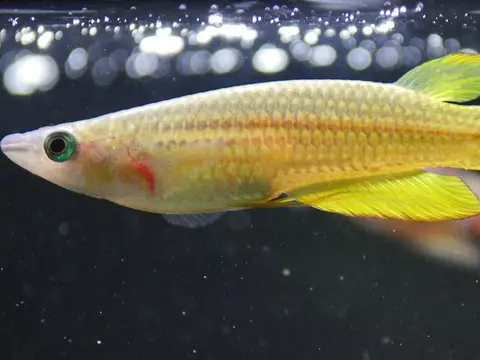 Golden wonder killifish (striped panchax) Aplocheilus lineatus 26 gal (100 L) · 72–81 °F (22–27 °C)
 Check the compatibility of your whole tank →
What not to keep it with
Popular species you shouldn’t house with the Bala shark, and why.
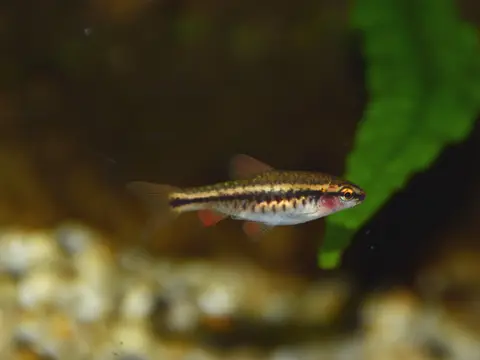
- Cherry barb: one may eat the other due to size
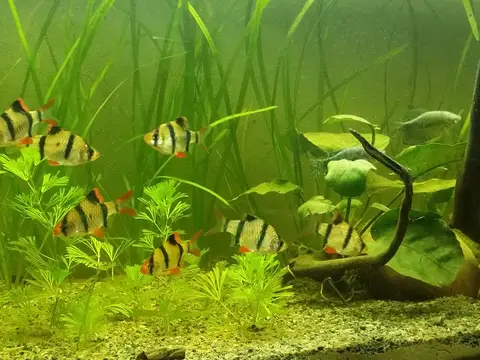
- Tiger barb: one may eat the other due to size
- Betta fish: one may eat the other due to size
- Bronze cory: one may eat the other due to size
- Panda cory: one may eat the other due to size
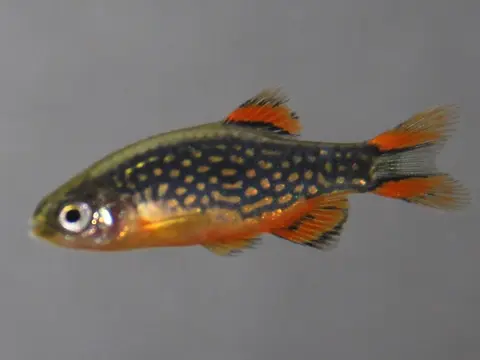
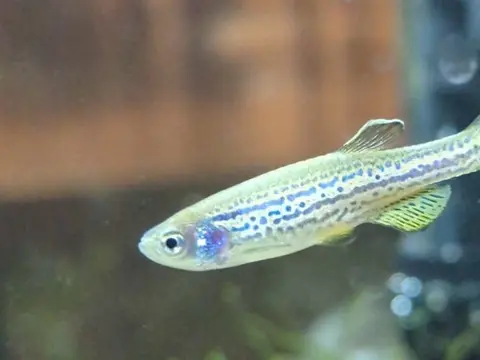
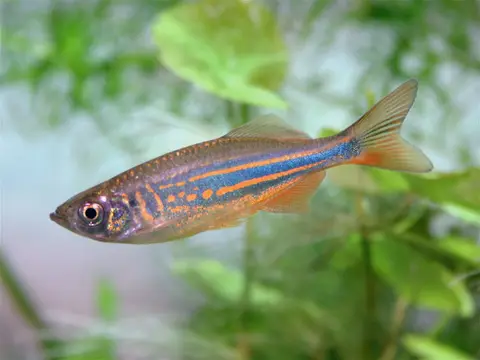
- Zebra danio: one may eat the other due to size
- Guppy: one may eat the other due to size
- Dwarf gourami: one may eat the other due to size
Recommended equipment
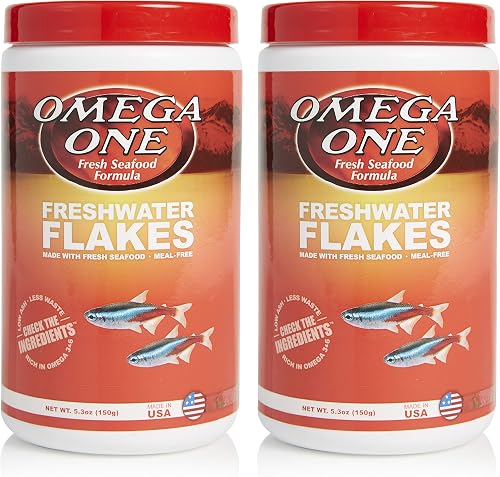
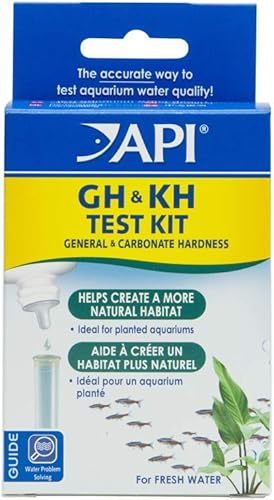
What you need to keep the Bala shark healthy, checked against Amazon stock.


Frequently asked questions
How many liters does a Bala shark need?
At least about 1000 liters for a group of at least 5 fish. More space always helps keep the water stable.
What water temperature does the Bala shark need?
Between 22 and 28 °C, with a pH of 6 to 8.
What fish can live with the Bala shark?
Based on water, size and temperament, it fits with species such as Bristlenose pleco, Nerite snail, Horned nerite snail, Common goldfish and Clown loach. Use our compatibility calculator to check your whole tank.
Can the Bala shark be kept with shrimp?
Not recommended: because of its size or instinct, it will eat shrimp.