If you buy through our links, Amazon pays us a small commission at no extra cost to you. That’s how we keep the site running. How we choose.
Contents
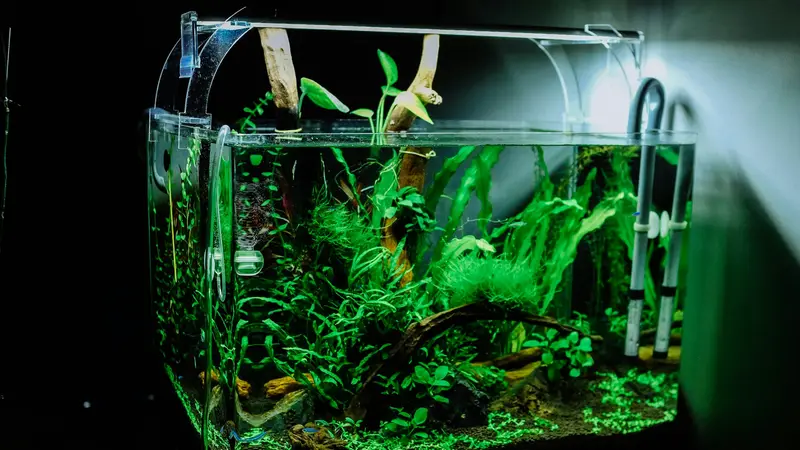
Setting up an aquarium isn't hard, but the order matters. Most beginner problems (cloudy water, fish dying in the first week, algae everywhere) come from skipping steps or rushing them. This guide walks through the whole process, from choosing where the tank will live to the day your first fish go in, with what you should have ready at each stage. Plan on two to three hours for the physical setup and four to six weeks of patience before the tank is ready for livestock.
The one-sentence version: solid spot out of direct sun, rinsed substrate, hardscape and plants before the water, equipment running, a fully cycled tank and fish added in small groups. Fish come last, never first.
1. Choose the location and stand
A full aquarium weighs far more than it looks: water is about 8.3 lb per gallon, and then you add glass, substrate and rock. A 16-gallon (60 L) tank ends up around 180-200 lb, and a 55-gallon (200 L) tank easily tops 550 lb. That makes location the most important decision and the hardest one to undo.
- Solid, level surface: use a purpose-built aquarium stand or furniture rated for the weight with room to spare. Check it with a spirit level; even a few millimeters out of level puts stress on the silicone seams.
- Out of direct sunlight: sun through a window fuels algae and overheats the water in summer.
- Away from heaters, AC vents and doors: sudden temperature swings stress fish.
- Near an outlet (ideally a GFCI-protected outlet or a quality power strip kept off the floor) with room to work above and behind the tank.
- Calm but visible: a busy hallway or right next to a loud TV isn't ideal.
If you're unsure which stand to buy, our guide to aquarium stands compares the types and what to look for on the spec sheet.
Check the floor and stand before you fill. Once a tank is full you can't move it without draining it almost completely. If the tank has no bottom frame, put a thin foam pad or the manufacturer's leveling mat under the glass.
2. Rinse and add the substrate
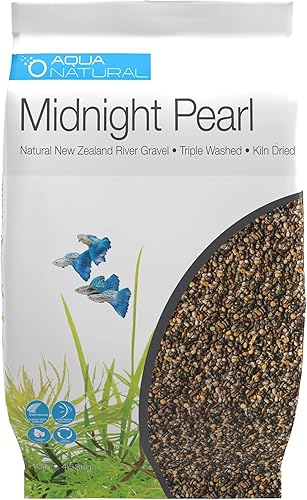
Inert gravel and sand come with dust that will cloud the water for days if you don't rinse it. Put the substrate in a clean bucket (no soap residue ever), fill it with tap water, stir by hand and pour off the cloudy water. Repeat until it runs almost clear; five to ten rinses is typical.
Nutrient-rich plant substrates and active aqua soils are the exception: don't rinse them, just add them as they come and follow the manufacturer's instructions. A common planted-tank setup is a nutrient layer underneath capped with fine gravel or sand.
As a guide, aim for a 1.5-2.5 inch (4-6 cm) layer, a little deeper at the back for a sense of depth. A 16-gallon tank usually needs around 18-22 lb (8-10 kg) of gravel. We cover the options in aquarium gravel and sand.
3. Hardscape and plants
With the tank empty or holding just an inch or two of water, place your rocks and driftwood. Do it now, because moving stones in a full tank stirs up the substrate and risks hitting the glass.
- Rocks: seat them firmly on the bottom glass or on compacted substrate so they won't topple if fish dig underneath.
- Driftwood: most pieces float at first. Soak them for a few days or weigh them down with a stone. It's normal for wood to tint the water amber for the first few weeks.
- Hiding spots: caves, roots and dense plants lower stress for your fish.
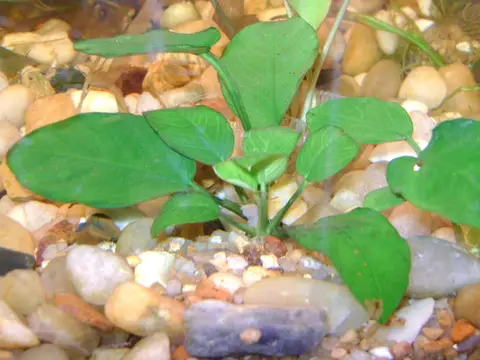
Next, add 2-4 inches (5-10 cm) of water and plant. A little water makes plants easier to handle and keeps them from drying out. Start with hardy species that don't need CO2 or strong lighting: Anubias nana and Java fern are tied to rock or wood (never bury the rhizome), while Vallisneria and Cryptocoryne go into the substrate. Planting from day one helps out-compete algae during cycling.
4. Fill the tank and hook up the equipment
Lay a plate or plastic bag on the substrate and pour the water onto it so you don't blast a crater in the sand. Fill to about an inch below the rim. Add a water conditioner (dechlorinator) at the dose on the label: tap water contains chlorine or chloramine, which kills beneficial bacteria and damages gills.
With the water in, install and switch on the equipment:
| Equipment | Rule of thumb | Notes |
|---|---|---|
| Filter | Turns over 3-5 times the tank volume per hour | Internal, hang-on-back or canister depending on size. Runs 24/7. |
| Heater | About 4 W per gallon (~1 W/L); a bit more in cold rooms | Set to 75-81 °F (24-27 °C) for tropical fish. Not needed for coldwater species. |
| Thermometer | Check daily | Don't rely only on the heater's dial. |
| Lighting | 6-8 hours a day on a timer | Start at 6 hours in a new tank to keep algae down. |
| Lid | Always | Stops jumpers and reduces evaporation. |
Wait 15-20 minutes after filling before plugging in the heater so its glass tube can match the water temperature. Place it near the filter outlet or intake so heat spreads evenly. Give every cord a drip loop: a dip below the outlet so any water running down the cable drips onto the floor instead of into the power strip.
5. Cycle the tank
This is the step you can't skip. A freshly set-up tank has none of the bacteria that process fish waste: ammonia gets converted to nitrite, and nitrite to nitrate, which is far less toxic. Growing that colony in the filter and substrate normally takes four to six weeks, a little less with bottled bacteria or media from an established filter.
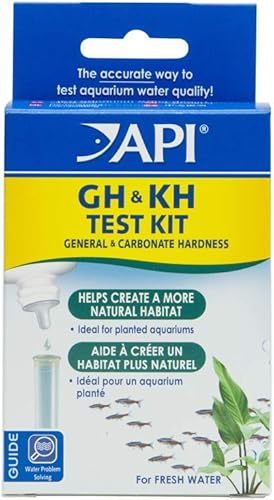
During cycling you need an ammonia source (small pinches of food or dosed pure ammonia) and a test kit to track progress. The tank is ready when ammonia and nitrite read 0 for several days in a row and nitrate shows up. The whole process, with a week-by-week testing schedule, is in our guide to aquarium cycling.
6. Your first fish
Once the cycle is complete, do a 20-30% water change to bring nitrate down and start with a few hardy fish. Build up the stocking gradually, in two or three batches one to two weeks apart, so the bacteria can keep up with the extra waste.
- Good first tropical fish: a school of neon tetras (best in an already stable tank), corydoras, platies or guppies.
- Always acclimate: float the bag for 15-20 minutes to equalize temperature, then net the fish in without pouring in the store water.
- Feed lightly: what they finish in 2-3 minutes, once or twice a day.
Setup checklist
| Stage | What to check | Done when… |
|---|---|---|
| Location | Level stand, no direct sun, outlet nearby | The level reads true in both directions |
| Substrate | Gravel rinsed or plant substrate in place | Rinse water runs almost clear |
| Hardscape | Stable rocks, waterlogged driftwood | Nothing moves when nudged gently |
| Plants | Anubias and fern rhizomes above the substrate | Everything tied on or planted |
| Water | Dechlorinator added | Filled to about an inch below the rim |
| Equipment | Filter, heater, thermometer, light on timer | Temperature stable for 24 hours |
| Cycling | Ammonia, nitrite and nitrate tests | Ammonia 0, nitrite 0, nitrate present |
| Fish | Water change first, a few hardy fish | Eating and swimming normally |
Common setup mistakes
- Adding fish on day one: classic "new tank syndrome." Ammonia and nitrite spike within days and fish get sick or die.
- Not rinsing the gravel: the water stays milky for days and the dust clogs the filter.
- Putting the tank by a window: guaranteed green algae and unstable temperature.
- Turning the filter off at night because of noise: the bacteria need constant water flow.
- Burying Anubias and fern rhizomes: they rot and the plant dies.
- Rinsing filter media under the tap: chlorine wipes out the bacteria you worked so hard to grow. Rinse media in old tank water.
- Buying all your fish at once: the filter can't handle that much new waste overnight.
Follow this order and you'll have a stable tank from the start. If you're starting from scratch and haven't picked a size or budget yet, read our beginner's guide to your first aquarium.
Recommended gear for this guide


Frequently asked questions
How long should I wait before adding fish to a new tank?
Usually four to six weeks, the time it takes for the nitrogen cycle to establish. Bottled bacteria or media from a mature filter can speed it up, but the reliable sign is your test kit: ammonia and nitrite at 0 for several days in a row with nitrate present.
Can I set up an aquarium with tap water?
Yes. In most places tap water works fine as long as you add a water conditioner that neutralizes chlorine and chloramine. If your water is very hard or very soft, test it and choose fish that suit it.
How much substrate do I need?
A layer of 1.5 to 2.5 inches is enough for most tanks. As a rough guide, a 16-gallon tank needs about 18 to 22 pounds of gravel and a 29-gallon tank around 30 to 35 pounds, depending on the footprint and whether you slope it toward the back.
Should I turn off the filter and heater at night?
No. The filter has to run 24/7 because it houses the bacteria that remove ammonia and nitrite. The heater has a thermostat and only switches on when needed. The only thing that goes off at night is the light, ideally on a timer.
Do plants or water go in first?
Substrate and hardscape first, then 2 to 4 inches of water, then the plants, and finally the rest of the water. Planting in shallow water is easier and keeps plants from drying out while you work.
You may also like
- GuideFirst Aquarium for Beginners: Tank Size, Equipment and Easy Fish
- GuideHow Much Does an Aquarium Cost? Setup Budget and Real Monthly Costs
- GuideHow to Set Up a Nano Tank: Equipment, Stocking and Maintenance
 Gear reviewAquarium stands
 Gear reviewAquarium gravel and sand
 ProfileAnubias nana
- Gear reviewAquarium kits
- Gear reviewInternal aquarium filters