If you buy through our links, Amazon pays us a small commission at no extra cost to you. That’s how we keep the site running. How we choose.
Contents
Our top 3 picks
Stock checked on October 7, 2026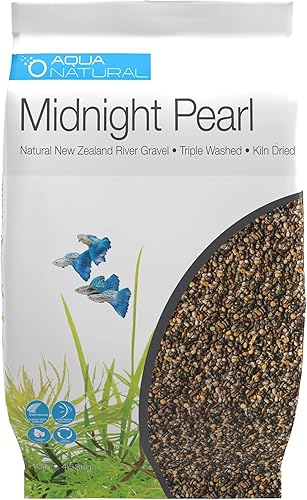


aquarium gravel and sand comparison, in stock
Aqua Natural Aquarium Substrate, Midnight Pearl Gravel, 10lb
GloFish Aquarium Gravel, Pink, Green & Blue Mix, 5 lbs

Glofish Aquarium Gravel, Solid Black, 5-Pound Bag
GloFish aquarium Gravel 5 Pounds, White, Complements GloFish Tanks (29022)

GloFish Aquarium Gravel, Black With Fluorescent Accents, 5 lbs

GloFish Aquarium Gravel, Pearlescent, 5 lbs

Aqua Natural Aquarium Substrate, Gold Pearl Gravel, 10lb
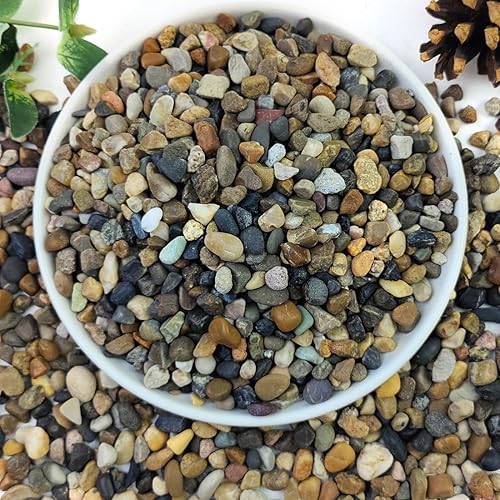
YISZM 5lbs Aquarium Gravel, 1/4" Fish Tank Gravel Natural River Rocks
AcuarioSano rating: combines the average rating and the number of buyer reviews on Amazon. No brand pays to be featured.
Gravel or sand: the real differences
Gravel (grains around 1/16-3/16 in, or 2-5 mm, and up) is the classic choice: easy to vacuum, water flows between the grains and it stays put under filter current. Its weak spot is that food and waste sink into the gaps, and sharp-edged gravel wears down the barbels of fish that root around on the bottom.
Sand (roughly 0.5-2 mm) looks more natural and lets many fish behave as they would in the wild: sifting substrate through their mouths, burrowing or digging. Waste sits on top, so you can see it and siphon it off easily. On the downside, it compacts if the bed is too deep, and very fine sand can cloud the water at first.
In between sits fine gravel (1-3 mm), a good compromise for a community tank with rooted plants.
Sand for cory catfish, loaches and other bottom dwellers
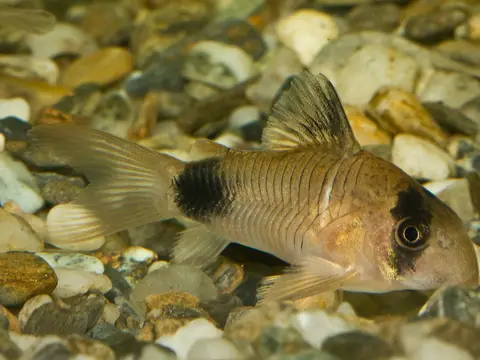
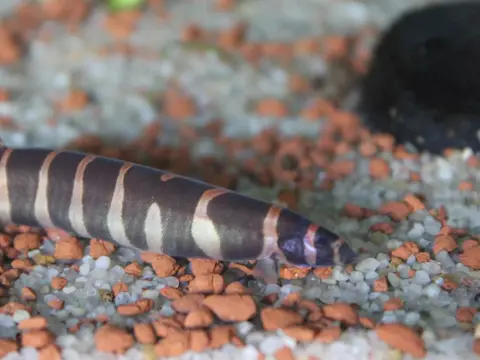
Panda corydoras and other cory catfish forage by pushing their snouts into the substrate. On coarse or sharp gravel their barbels erode and can get infected. The ideal is fine, rounded sand, or at the very least smooth river pebbles. The same goes for kuhli loaches, which burrow, and for dwarf cichlids and eartheaters that sift sand.
Tip: rub a handful of substrate between your fingers before you buy a full batch. If it feels scratchy or has edges, it's not cory-safe. Rinsed river sand and rounded silica sand sold for aquariums are usually fine.
Inert vs calcareous substrate
For the vast majority of tropical tanks the substrate should be inert: quartz, silica, basalt or lime-free river gravel. It won't change pH or hardness.
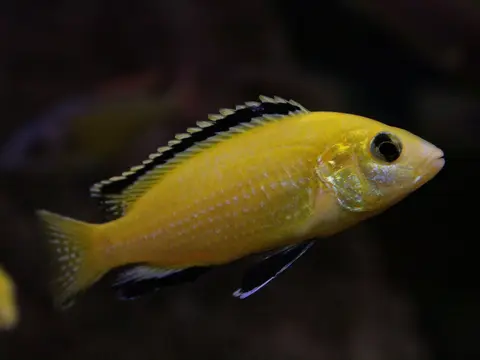
Crushed coral, aragonite and limestone gravels slowly dissolve and raise pH, KH and GH. They only make sense in African cichlid tanks from Lakes Malawi and Tanganyika, home to fish like the yellow lab (Labidochromis caeruleus) that need hard, alkaline water. In a tank with tetras, shrimp or delicate plants it's a mistake. If you're unsure about the chemistry, read how to raise or lower aquarium pH.
Unlabeled decorative sand and gravel (landscaping, craft or play sand) can contain lime, dyes or metal residue. Stick to products sold for aquariums.
Substrate comparison
| Type | Grain | Effect on water | Best for | Keep in mind |
|---|---|---|---|---|
| Fine silica or river sand | 0.5-1.5 mm | inert | corys, loaches, natural tanks | keep it under 1.5-2 in (4-5 cm) |
| Fine gravel | 1-3 mm | inert | planted community tanks | versatile and easy to vacuum |
| Medium or coarse gravel | 3-8 mm | inert | goldfish, large cichlids | traps waste between grains |
| Colored gravel | 3-5 mm | inert if good quality | decorative tanks | avoid coatings that chip off |
| Crushed coral / aragonite | 1-3 mm | raises pH, KH and GH | African cichlids | never in soft-water tanks |
How to rinse it and how much you need
Almost every substrate arrives dusty. Rinse it in batches in a bucket with tap water, stirring by hand and pouring off the cloudy water until it runs nearly clear; no soap. Very fine sand is easier to rinse with a gentle stream so you don't wash it away. When filling the tank, set a plate or a plastic bag on the substrate and pour onto it.
Depth: 1-2 in (3-5 cm) of sand or gravel in a tank without demanding plants; 2-3 in (5-7 cm) at the back for rooted plants, with a gentle slope. A common rule of thumb is about 1 lb of substrate per gallon for a 1 in bed, so a standard 20-gallon long needs roughly 20-25 lb (9-11 kg) for 1.5 in. For a serious planted tank, put a nutrient-rich substrate underneath. The full setup order is in how to set up an aquarium step by step.
Watch out: a sand bed deeper than about 2.5 in (6-7 cm) can develop oxygen-free pockets where organic waste builds up. Stir the surface when you vacuum; Malaysian trumpet snails also help aerate the bed.
Common mistakes
- Using coarse or sharp gravel in a tank with cory catfish.
- Adding crushed coral or limestone to a soft-water tank.
- Skipping the rinse and filling the tank in one go: cloudy water for days.
- Using construction or landscaping sand of unknown composition.
- Replacing all the substrate at once in a cycled tank: you lose part of the beneficial bacteria.
We compare spec sheets, verified reviews and real-world criteria, but we don't physically test the products: check the grain size, material and whether it's inert on each listing before you buy.
Frequently asked questions
Is gravel or sand better for an aquarium?
It depends on the fish. Fine sand is better for cory catfish, loaches and fish that sift the bottom; fine gravel is easier to maintain and works well in planted community tanks. Both are fine as long as they're inert and rounded.
How much sand do I need for my tank?
A common rule of thumb is about 1 lb per gallon for a 1 in deep bed, or 1.5-2 lb per gallon for 1.5-2 in. A 20-gallon long needs roughly 20-25 lb, a 55-gallon about 55-80 lb.
Can I use crushed coral in any aquarium?
No. It raises pH and hardness, so it's only suitable for hard-water African cichlids. Avoid it in tanks with tetras, shrimp, discus or delicate plants.
Do I need to rinse new aquarium sand?
Yes, unless the manufacturer says otherwise. Rinse it with tap water, no soap, until the water runs almost clear. That saves you days of cloudy water.