If you buy through our links, Amazon pays us a small commission at no extra cost to you. That’s how we keep the site running. How we choose.
Contents
Our top 3 picks
Stock checked on October 7, 2026

aquarium stands comparison, in stock
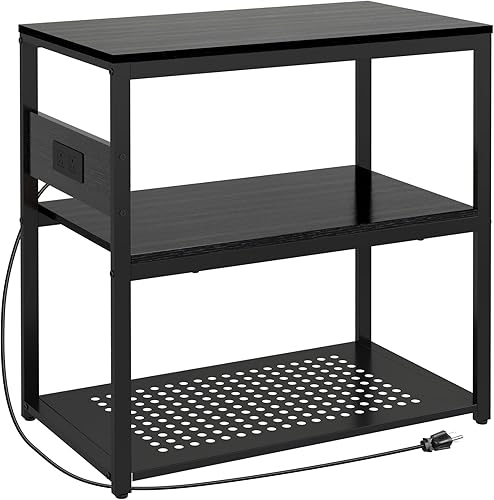
HavenlyYouth 20-29 Gallon Fish Tank Stand with Power Outlet, 3-Tier Aquarium Stand with Storage, Heavy Duty Metal Frame…
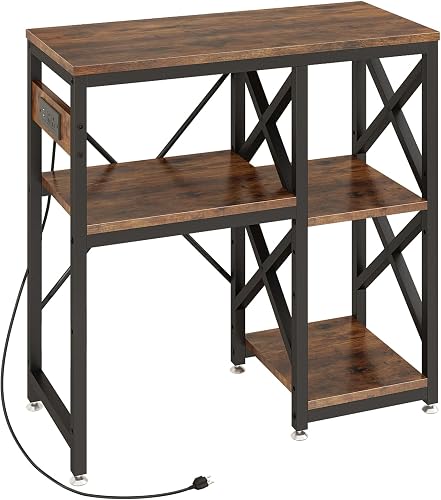
METYERRY 20-29-37 Gallon Fish Tank Stand with Power Outlet,Adjustable Shelf
29 Gallon Fish Tank Stand for Standard & Breeder Tanks

VOWNER 20-29 Gallon Fish Tank Stand with Power Outlet, Aquarium Stand,Brown
20-29 Gallon Fish Tank Stand with Power Outlets,3-Tier Metal Aquarium Stand

Fish Tank Stand with Drawer,20-29 Gallon Aquarium Stand Easy Assemble
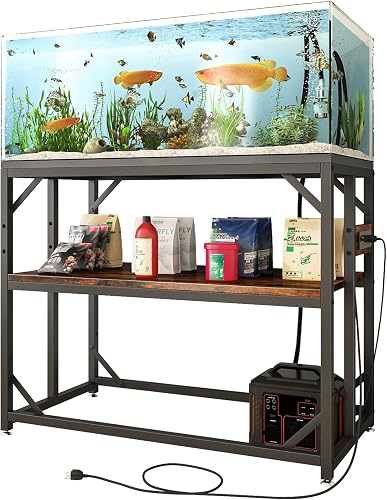
METYERRY 40 Gallon Fish Tank Stand with Power Outlet,Adjustable Shelf

AcuarioSano rating: combines the average rating and the number of buyer reviews on Amazon. No brand pays to be featured.
Load rating: do the math with margin
The single most important spec on an aquarium stand is its load rating, and it should comfortably exceed the weight of the set-up tank. The rule of thumb is about 10 lb per gallon all in: water weighs 8.3 lb per gallon (1 kg per liter), and glass, gravel, rock and equipment add the rest. So a 20 gallon lands around 200-225 lb (about 100 kg), a 40 breeder around 450 lb (200 kg), a 55 gallon around 600-650 lb (270-300 kg) and a 75 gallon around 850 lb (385 kg). A rock-heavy Malawi cichlid tank, the kind a yellow lab needs, weighs even more.
If the maker doesn't list a maximum load, or the stand isn't specifically built for aquariums, skip it. A dresser, a bookcase or a TV stand might hold the weight at first, but they sag over months, and once the top gives a couple of millimeters the glass flexes and the seams take the strain. For tanks of 55 gallons and up, also read our roundup of large aquariums: the floor matters as much as the stand.
Types of aquarium stands
| Type | Material | Pros | Cons | Best for |
|---|---|---|---|---|
| Manufacturer's matching cabinet | laminated particleboard or MDF | exact footprint and calculated load | fits only that model | tank-and-stand combos from Fluval, Aqueon, Marineland, Juwel |
| Universal aquarium cabinet | melamine particleboard or MDF | price, storage for gear | check load and dimensions | 10-75 gallon tanks |
| Metal frame stand | powder-coated steel | very strong and light | plain look; rusts if scratched | 20-125 gallon tanks, breeding racks |
| Solid wood or custom | treated, sealed wood | sturdy, any size you need | pricey; must be well sealed | non-standard tank sizes |
Exact footprint and base support
The tank's base must match the top of the stand: it should never overhang, not even by half an inch, or the weight ends up on an unsupported glass edge. A stand slightly larger than the tank is fine if the top is flat and continuous. Standard US tank sizes help here: a 55 gallon has a 48 × 13 in footprint and a 75 gallon 48 × 18 in, so a "48-inch stand" isn't automatically right for both. Also check how your tank is supported: framed tanks rest on their perimeter, while rimless tanks need a flat top across the whole surface and usually a foam leveling mat.
Look at the height too (28-32 in, about 70-80 cm, is comfortable for viewing and maintenance), interior room for a canister filter, and whether the back is open or has cutouts for hoses and cords.
Tip: before buying, measure your tank's base with a tape measure instead of trusting the model name. Two "20 gallon" tanks (a high and a long) have different footprints, and an inch or two is enough to make a stand unusable.
Level floor and placement
Put the stand on a solid floor and check with a level that it sits flat in both directions. If the floor isn't level, correct it with adjustable feet or rigid composite shims under the stand, never under the tank. Avoid thick rugs and plush carpet, which compress unevenly, and watch the baseboard: if it pushes the stand away from the wall, the back edge may end up poorly supported. Once filled, the whole setup stays put; if you ever need to relocate it, follow our guide to moving an aquarium.
Warning: water and unprotected particleboard don't mix. A drip that keeps soaking into an unsealed edge swells the board within months and wrecks its strength. Wipe up splashes and inspect the top and edges every time you do maintenance.
Moisture-resistant materials and outlets
- Top and edges: look for melamine or laminate with sealed edges, moisture-resistant board, or treated steel. A nice painted finish doesn't help if the edges are exposed.
- Ventilation: a closed cabinet traps humidity and heat; an open back or vents are better.
- Outlets: mount the power strip inside the cabinet, high up and away from the filter, or use a wall outlet above floor level. Give every cord a drip loop so water runs to the floor instead of into the outlet, and plug into a GFCI-protected outlet.
Common mistakes
- Using living-room furniture or a TV stand that isn't built for aquariums.
- Picking a stand smaller than the tank's base.
- Setting it up without leveling, or with soft wood shims that crush over time.
- Forgetting about room for the canister and hose routing until everything is already set up.
- Filling the tank before checking the stand: follow the order in our guide to setting up an aquarium step by step.
We compare spec sheets, verified reviews and real-world use criteria, but we don't physically test the products.
Frequently asked questions
How much weight should an aquarium stand hold?
More than the full weight of the set-up tank: figure about 10 lb per gallon including glass, gravel, rock and gear. A 20 gallon is around 225 lb and a 55 gallon around 625 lb, so look for a stand rated clearly above that.
Can I put a fish tank on regular furniture?
Only very small tanks on sturdy furniture. From about 10-15 gallons up, use a stand built for aquariums: living-room and TV furniture isn't designed for that weight and sags over time.
Can the tank overhang the stand?
No. The tank's base must be fully supported by the stand. A slightly larger stand is fine if the top is flat, but an overhanging tank leaves the glass unsupported and can crack.
What stand material handles moisture best?
Powder-coated steel and laminated or moisture-resistant board with well-sealed edges. Unprotected particleboard swells from splashes and loses strength.
You may also like
 Gear reviewLarge aquariums (55 gallons and up)
 Gear review29 gallon aquariums
 Gear reviewAquarium kits
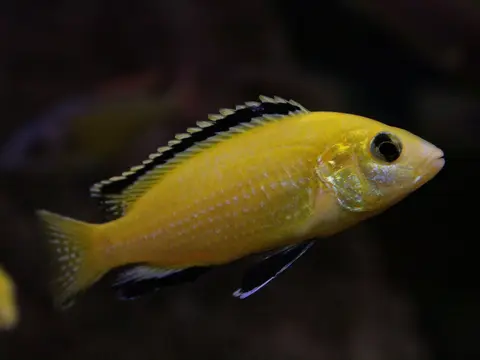 ProfileYellow lab cichlid
 Gear reviewCanister filters
- GuideHow to Move a Fish Tank Without Losing Fish or Your Cycle
- GuideFirst Aquarium for Beginners: Tank Size, Equipment and Easy Fish
- GuideHow Much Does an Aquarium Cost? Setup Budget and Real Monthly Costs