If you buy through our links, Amazon pays us a small commission at no extra cost to you. That’s how we keep the site running. How we choose.
Contents
Moving house is one of the riskiest moments in an aquarium's life. Not so much because of the fish, which handle a few hours in a bag just fine if it's done carefully, but because of two things people tend to forget: the beneficial bacteria in the filter, which die if they dry out or go without oxygen for too long, and the glass itself, which can crack if the tank is moved with weight inside. This guide covers how to plan the move, what goes in which container, how to set the tank back up and what to watch for over the following two weeks.
The short version: stop feeding 24 hours before, keep the filter media submerged in tank water, move fish in bags or lidded buckets, drain the tank completely before you lift it and, once you arrive, get the filter running first with its original media. Then test ammonia and nitrite daily for one to two weeks.
Planning the move
Ideally the aquarium is the last thing out of the old place and the first thing set up in the new one. If the trip takes less than about 4-6 hours, fish can travel in bags without trouble. If it takes a day or more, or crosses several states, consider leaving the fish temporarily with a trusted local fish store or another hobbyist and moving only the equipment and filter media.
A few days ahead, gather your supplies: sturdy fish bags and rubber bands, clean lidded buckets that have never held soap or cleaners, a cooler or styrofoam box to hold temperature, towels, a hose or gravel vacuum and a battery-powered air pump. Do a normal water change 2-3 days before, and don't feed the fish for 24-48 hours beforehand so they foul the travel water less.
| When | What to do |
|---|---|
| 1 week before | Gather bags, buckets, cooler, battery air pump and water conditioner; pick the tank's new spot and confirm the floor and stand can take the weight |
| 2-3 days before | 20-30% water change and light cleaning |
| 24-48 hours before | Stop feeding |
| Moving day | Fish and plants into bags or buckets, filter media into tank water, drain fully, break down and load |
| On arrival | Set up, fill, start filter and heater, acclimate fish |
| 1-2 weeks after | Daily ammonia and nitrite tests, light feeding |
Keeping the filter bacteria alive
Your tank's cycle lives mostly in the filter media: sponges, ceramic rings and bio balls. Keep them alive and the tank stays cycled in the new home, so you won't have to repeat cycling your aquarium. Here's how:
- Pull the filter media at the last minute and keep it submerged in water from the tank, in a lidded bucket or inside the canister filter itself, closed and full.
- Don't rinse it under the tap or let it dry out. Chlorine and dryness kill the bacteria.
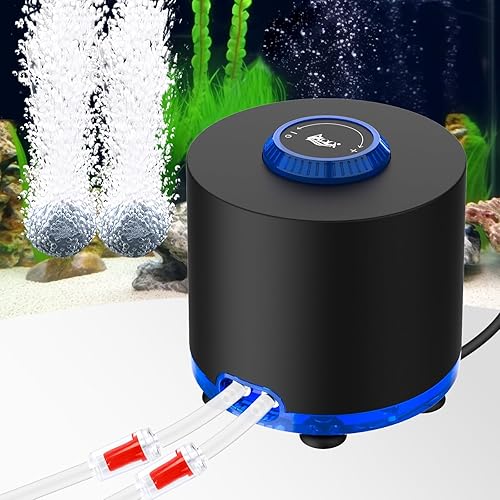
- If it will be more than 8-12 hours before the filter can run again, put an airstone on a battery air pump in the bucket so the bacteria get oxygen.
- When you arrive, the filter is the first thing to start, with its original media.
As insurance, keep a bottle of bottled bacteria on hand to add when you refill. It doesn't replace mature media, but it helps if part of the colony took a hit.
Fish, plants and shrimp in transit
Fish travel best in fish bags like the ones stores use: one-third tank water and two-thirds air, closed with a rubber band and double-bagged for trips of several hours. If you have a lot of fish, lidded buckets with a battery air pump also work well. Put bags and buckets in a cooler or styrofoam box so the temperature doesn't drop, and keep them with you in the car, never in a hot trunk or the moving truck.
| What | How to move it |
|---|---|
| Small fish | Bags with 1/3 water and 2/3 air, few per bag, inside an insulated box |
| Large or spiny fish | Lidded bucket with a battery air pump, or individual double bags |
| Shrimp and snails | Bag or jar of tank water with a bit of moss to cling to |
| Plants | Bag or bucket with a little tank water, not packed tight |
| Filter media | Submerged in tank water, lidded; aerated on long trips |
| Substrate | Sturdy buckets, kept damp, never inside the tank |
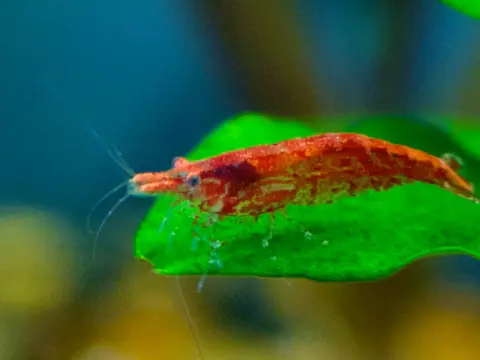
Cherry shrimp and other shrimp are the most sensitive to water changes, so drip acclimate them for at least an hour on arrival. For fish, follow the steps in how to acclimate fish.
Draining and moving the tank
Never move a tank with water or substrate inside, not even a few inches. Water weighs about 8.3 lb per gallon (1 kg per liter), and as it sloshes it pushes on the panels. Silicone seams and glass aren't built for those forces and can crack or let go, sometimes days later. A "half-empty" 29-gallon tank still weighs well over 100 lb.
With fish, plants and media safe, drain the tank with a siphon. Take out decorations, driftwood and rocks, then scoop out the substrate with a cup or small scoop. You can reuse gravel or sand: keep it damp in buckets and don't scrub it clean, because it holds bacteria too. Nutrient-rich aqua soils can release ammonia when disturbed, so keep a closer eye on things for the first few days.
Anything over about 15 gallons should be carried by two people, lifted from the bottom and never by the top rim. Wrap it in moving blankets and transport it upright and strapped down. The stand travels empty too, and if it's particleboard, check for swelling or loose screws before using it again.
Setting the tank back up
- Put the stand in its final spot, away from windows and heating vents, and check with a level that it's perfectly flat. If the old one is wobbly, now is a good time to upgrade to an aquarium stand rated for the weight.
- Place the tank (on its leveling mat, if it uses one), then the substrate and decor.
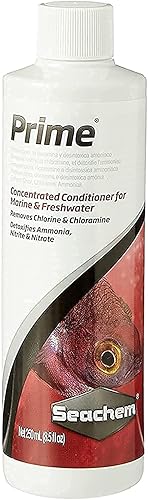
- Fill with tap water treated with water conditioner, at a temperature close to the bag water. If you saved some old tank water you can use it, but it isn't necessary.
- Install the filter with its mature media and get it running as soon as possible. Plug in the heater and wait for the water to reach its usual temperature.
- Replant, acclimate the fish and keep the lights off or dim that first day so they settle in.
Watching for a mini-cycle
Even if you do everything right, it's normal for some bacteria to die off and the tank to go through a mini-cycle: a small ammonia or nitrite spike in the first few days. Test daily for one to two weeks. If either one goes above 0.25 ppm, do a 30% water change with conditioner. Feed very lightly (every other day the first week), don't add new fish for at least a month, and if you have an air pump, keep it running so there's plenty of oxygen while the filter recovers.
Common mistakes when moving a tank
- Moving the tank with "just a little" water or the substrate still inside.
- Rinsing filter media under the tap or letting it dry out in a box.
- Leaving fish bags in the trunk or in the sun for hours.
- Feeding the fish right before the trip.
- Filling the tank with cold, untreated water and adding the fish right away.
- Buying new fish to "celebrate" the new place before confirming the cycle is stable.
Recommended gear for this guide


Frequently asked questions
How long can fish stay in a bag?
With few fish per bag, one-third water and two-thirds air, and no food beforehand, most small fish handle 4 to 6 hours without trouble, and longer with pure oxygen like stores use. For trips of a day or more, lidded buckets with a battery air pump are a better bet.
Can I move the tank with a little water in it so the fish aren't stressed?
No. Even a small amount of water strains the seams and glass with its weight and movement, and the tank can crack or start leaking days later. The fish travel separately in bags or buckets, and the tank moves completely empty.
Do I have to cycle the tank again after moving?
Not if you keep the filter media submerged in tank water and get the filter running again within a few hours. There may still be a small ammonia or nitrite spike, so test daily for one to two weeks and feed lightly.
Should I save the old tank water?
It isn't necessary. The bacteria live in the filter and substrate, not in the water. Save enough to fill the fish bags and cover the filter media, then fill the tank at the new place with conditioned tap water.
What should I do with the fish if the move takes several days?
The safest option is to board them temporarily with a trusted fish store or another hobbyist and move only the equipment and the aerated filter media. Once the tank is set up and stable at the new place, pick them up and acclimate them.
You may also like
- GuideAquarium Water Changes: How Much, How Often and How To
- GuideHow Many Hours of Light Does an Aquarium Need? Photoperiod Guide
- GuideLeaving Your Fish Tank on Vacation: Food, Lights and Heat
- GuideAquarium Cycling: The Nitrogen Cycle, Testing and When to Add Fish
- Gear reviewAquarium bacteria starters
 ProfileCherry shrimp
- Gear reviewAquarium water conditioners
- Gear reviewAquarium air pumps and air stones