If you buy through our links, Amazon pays us a small commission at no extra cost to you. That’s how we keep the site running. How we choose.
Contents
Our top 3 picks
Stock checked on October 7, 2026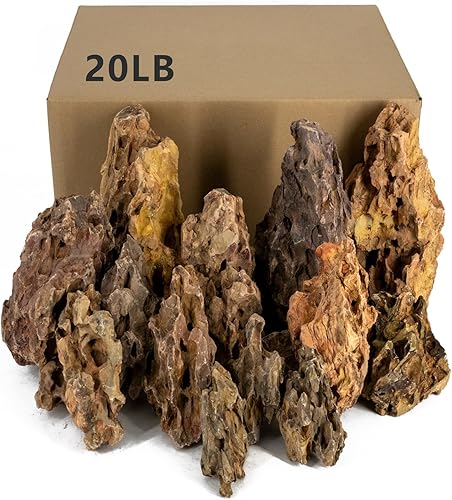

aquarium rocks comparison, in stock
Dragon Rocks Aquarium Rock aquascaping Natural Stone Rocks Fish Tank Decor Rocks for Aquariums Landscaping Model Tank…

Seiryu Stone Natural Stone Rocks Fish Tank Decor Rocks for Aquariums Landscaping Model Tank Decoration Aquarium…

Lifegard Aquatics Aquascaping Dragon Ohko Rock 10 Lb Kit – Decorative Aquarium Rocks, Fish Tanks – 10 Lbs Kits

Aquarium Rock Dragon Stones 10lb Natural Rock for Fish Tank,2-6 inches
Aquarium Rock Dragon Stones 5lb Natural Rock for Fish Tank,2-4 inches

Aquarium Stones Seiryu Rock 11lb Natural Stone for Aquascaping,3-8 Inches

Aquarium Stones Seiryu Rock 20lb Natural Stone for Aquascaping,3-10 Inches
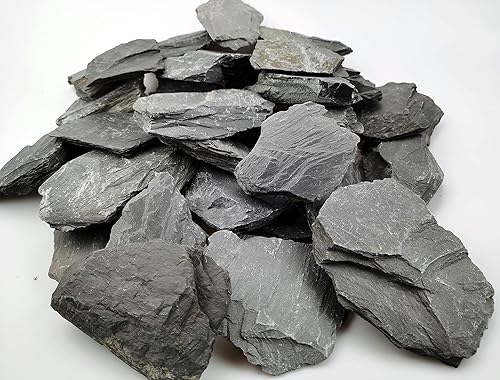
Voulosimi Natural Slate Rocks PH Neutral Stone Perfect Rocks for Aquariums, Landscaping Model,Tank Decoration,Amphibian…
AcuarioSano rating: combines the average rating and the number of buyer reviews on Amazon. No brand pays to be featured.
The most popular rocks for freshwater tanks
- Seiryu stone: blue-gray with white veins, a staple of Iwagumi-style aquascapes. It's calcareous: it nudges KH, GH and pH upward, especially in soft water and during the first months.
- Dragon stone (ohko): hardened clay in brown and orange tones with deep holes and texture. It's essentially inert and light for its size, but brittle and often packed with dirt in the crevices.
- Lava rock: red or black, very porous and light. Inert and great for tying on moss and anubias, though edges can be rough.
- Slate: flat slabs, inert. Perfect for terraces, stacked caves and spawning sites.
- Quartz and granite: inert and very hard; good for a riverbed look.
- Holey rock (Texas holey limestone) and similar: highly calcareous. African cichlid tanks only.
How rocks affect hardness and pH
Rocks that contain calcium carbonate slowly dissolve, especially in soft, acidic water. That raises KH (which pushes pH up and holds it there) and GH. For a tank of yellow labs (Labidochromis caeruleus) or other Malawi cichlids that's a plus; for Caridina shrimp, discus, blackwater tetras or a CO2-injected planted tank it's a constant headache. If your pH is already all over the place, read how to raise or lower aquarium pH.
The vinegar test for limestone
Before adding a rock of unknown origin, put a few drops of cleaning vinegar or diluted muriatic acid on a clean, dry spot. If it fizzes or foams, it contains carbonates and will harden your water. No reaction usually means it's inert, although a stone with just a little lime may only fizz faintly, so look closely. Rinse it well afterward.
Tip: for a more reliable check, soak the rock for a week in a bucket of tank water and test KH and GH at the start and end. If they climb by more than 1-2 degrees (about 20-35 ppm), the rock is adding hardness.
Rock comparison
| Rock | Effect on water | Weight and texture | Best for | Watch out for |
|---|---|---|---|---|
| Seiryu | raises KH, GH and pH | heavy, white veins | Iwagumi in hard or medium water | Caridina shrimp, soft water |
| Dragon stone | inert | light, highly textured | aquascapes, mountains | breaks easily; dirt in holes |
| Lava rock | inert | very light and porous | attaching epiphyte plants | rough edges |
| Slate | inert | flat slabs | caves, terraces, spawning | sharp edges when split |
| Limestone / holey rock | strongly raises KH and pH | heavy, full of holes | African cichlids | never in soft water |
How to prep and place rocks
Scrub rocks with hot water, no soap or bleach, and clear the dirt out of crevices. Set them directly on the glass or on a plastic or foam base, before adding sand: if they sit on top of the substrate, digging fish like cichlids can undermine them and cause a collapse. Tall structures can be bonded with aquarium-safe silicone or cyanoacrylate gel glue. Mind the weight: 30-45 lb (15-20 kg) of rock in a 29-gallon tank is common, and the stand has to carry it. More layout ideas in aquascaping styles and tips.
Watch out: don't collect rocks from rivers or beaches without knowing what they are. They may be calcareous, contain metals or pollutants, and removing them from parks and protected areas is often illegal.
Common mistakes
- Putting seiryu in a soft-water shrimp tank and wondering why pH keeps rising.
- Resting large rocks on the sand instead of on the glass.
- Stacking without bonding: one fish or a clumsy hand can bring it down.
- Not rinsing dragon stone and filling the tank with dirt.
- Using rocks with metallic veins or bright colors of unknown origin.
To pair stone with wood, see our aquarium driftwood guide. We compare spec sheets, verified reviews and real-world criteria, but we don't physically test the products: check the rock type and its effect on water in each listing.
Frequently asked questions
Which aquarium rocks don't raise pH?
Dragon stone, lava rock, slate, quartz and granite are essentially inert. Seiryu, limestone and holey rock do raise pH and hardness.
How can I tell if a rock is limestone?
Put a few drops of vinegar or diluted acid on it: if it fizzes, it contains carbonates. To confirm, soak it in a bucket of water for a week and test KH and GH before and after.
Can I use seiryu stone in a shrimp tank?
With Neocaridina in medium-hard water it's usually fine. With Caridina such as crystal reds, which need very soft water, it's better avoided because it raises hardness.
Should I boil aquarium rocks before adding them?
It isn't necessary and some stones can crack from the heat. A good scrub with hot water, no soap, followed by a rinse is enough.
You may also like
 Gear reviewAquarium driftwood
 Gear reviewAquarium gravel and sand
 Gear reviewAquarium caves and hides
 ProfileAnubias nana
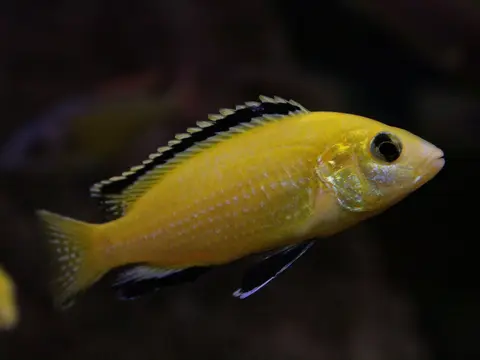 ProfileYellow lab cichlid
- GuideHow to Raise or Lower Aquarium pH Safely (Plus KH and GH)
- GuideAquascaping: Styles, Composition and Tips for Beginners
- GuideFirst Aquarium for Beginners: Tank Size, Equipment and Easy Fish