If you buy through our links, Amazon pays us a small commission at no extra cost to you. That’s how we keep the site running. How we choose.
Contents
Our top 3 picks
Stock checked on October 8, 2026
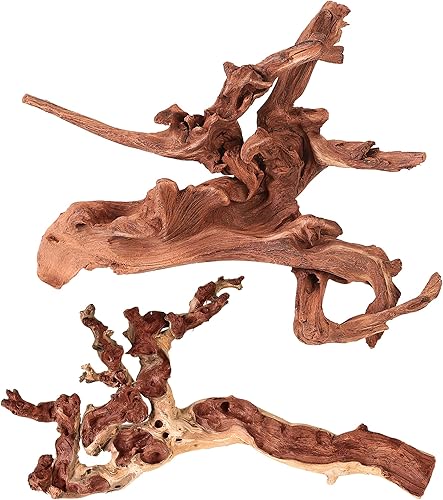

aquarium driftwood comparison, in stock
Awesome Aquatic Natural Staghorn Cholla Wood Tube, 3 Pack, 6 Inch
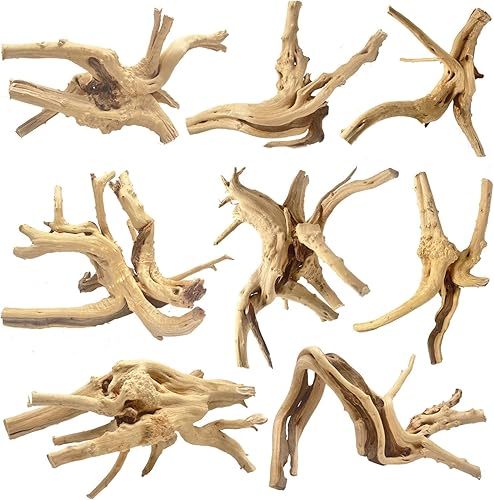
Jorewood Natural Small Spiderwood Driftwood for Aquarium Decor Rptile Fish Tank Decoration Assort Branch 4-7'' 8 Pcs

Zoo Med Laboratories (2 Pack) Mopani Wood, Small, 6 to 8-Inch
WDEFUN Natural Spiderwood for Aquarium Decor 5-Piece 4''-8'' Long Natural Driftwood Branches for Fish Tank Decorations
majoywoo Natural Large Driftwood for Aquarium Decor Fish Tank Decorations

Hamiledyi 12Pcs Small Driftwood for Aquarium 4.1"-7.2" Driftwood Branches

Hamiledyi 2 Pcs Large Driftwood for Aquarium 8"-18" Driftwood Branches

Zoo Med Laboratories African Mopani Wood - Small
AcuarioSano rating: combines the average rating and the number of buyer reviews on Amazon. No brand pays to be featured.
Why add driftwood to your aquarium
Submerged wood is one of the most rewarding pieces of hardscape. It creates shade and hiding spots that lower stress in shy fish, breaks up lines of sight so territorial fish squabble less, and gives you a base for epiphytes such as Anubias nana or Java fern, which are tied to wood instead of being planted in the substrate. Over time it also grows a thin layer of biofilm that shrimp, snails and bottom dwellers graze on every day.
In a planted or nature-style tank, the driftwood is often the piece that defines the whole layout. If design is your thing, our guide to aquascaping styles shows how to combine it with rocks and plants.
The most common types of wood
- Mopani: a very dense African hardwood with a two-tone (light and dark) finish and smooth surface. It sinks right away or after a short soak, but leaches plenty of tannins at first.
- Malaysian driftwood (mangrove root): dark, heavy and compact. It sinks easily and lasts for years, although it can tint the water for weeks.
- Spider wood (azalea root): thin, twisting branches, great for airy layouts. It is light and may float for days or even weeks, and it almost always grows a white fuzz in the first few days.
- Cholla: the hollow skeleton of a cactus, full of holes. Very light, floats at first and softens over the years. Perfect for shrimp and small fish, which use it as shelter and a biofilm pantry.
Quick comparison
| Wood | Sinks | Tannins | Lifespan | Best for |
|---|---|---|---|---|
| Mopani | fast | high at first | very long | community and pleco tanks |
| Malaysian | fast | high and long-lasting | very long | blackwater biotopes, cichlids |
| Spider wood | slowly, floats for days | low-medium | medium | aquascaping and planted tanks |
| Cholla | slowly | low | short-medium (breaks down) | shrimp and nano tanks |
Tannins and tea-colored water
Almost all wood releases tannins, compounds that stain the water the color of tea. They are not toxic: they recreate the "blackwater" of many Amazonian and Asian rivers, and tetras, bettas and dwarf cichlids love it. In soft water with low carbonate hardness (KH) they can nudge the pH down slightly; in hard water the effect is negligible. If you prefer crystal-clear water, soak the wood thoroughly first, keep up with water changes and run activated carbon or an adsorbent resin in the filter for the first few weeks.
How to prep driftwood: boil, soak and sink it
- Scrub it with tap water, no soap or bleach, to remove dust and loose bark.
- If it fits in a pot, boil it for 1-2 hours: it sanitizes the wood, speeds up tannin release and helps it waterlog sooner.
- Soak it in a 5-gallon (20 l) bucket for days or weeks, changing the water whenever it turns dark.
- If it still floats, weigh it down with a rock, tie it to a flat stone or screw it onto a slate base with a stainless steel screw until it is fully waterlogged.
Tip: the white, slimy fuzz that shows up on new wood in the first days is a harmless fungus. It disappears by itself in one or two weeks, and shrimp, snails and bristlenose plecos happily eat it.
Driftwood and plecos: more than decoration
For many plecos, wood is not optional. Bristlenose plecos rasp the surface and that fiber is part of their diet and digestion, while species such as the royal pleco (Panaque) rely directly on wood. If you keep plecos, include at least one hard piece, such as mopani or Malaysian, that can stand years of rasping. An 8-12 in (20-30 cm) piece is plenty for a 20-gallon (75 l) tank.
Common mistakes
- Adding branches from the woods or the beach without knowing what they are: conifers leach resin, and rotten or treated wood can pollute the water.
- Using varnished, painted or reptile-only terrarium wood.
- Resting a heavy piece of wood or a ballast rock straight on the glass without care.
- Panicking over brown water or white fuzz and throwing out a perfectly good piece.
- Choosing a huge piece that eats up swimming space and water volume.
Warning: if a piece turns soft, crumbles when touched or smells rotten, take it out. And never use pine, cedar or wood from trees treated with pesticides.
We compare spec sheets, verified reviews and real-world use criteria, but we do not physically test the products: check the wood type, size and whether it is aquarium-ready in each listing.
Frequently asked questions
Do I need to boil driftwood before putting it in my aquarium?
It is highly recommended if it fits in a pot: one or two hours of boiling sanitizes it, speeds up tannin release and helps it sink. If it does not fit, scrub it and soak it for days or weeks instead.
Why is my driftwood turning the water brown?
That is tannins leaching from the wood. They are harmless and fade over time. Pre-soaking, regular water changes and activated carbon in the filter will reduce them.
What do I do if my driftwood floats?
Soak it longer, or weigh it down with a rock, tie it to a stone or screw it to a slate base with a stainless steel screw until it waterlogs. Light woods such as spider wood and cholla take the longest.
Do plecos need driftwood?
Yes. Bristlenose and many other plecos rasp wood and that fiber is part of their diet; some, like the royal pleco, depend on it. A hard wood such as mopani or Malaysian is ideal.
You may also like
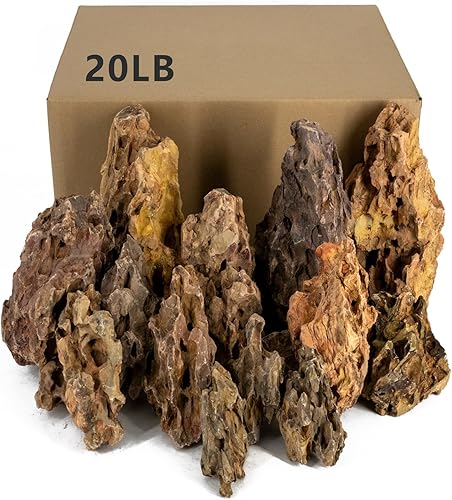 Gear reviewAquarium rocks
 Gear reviewAquarium gravel and sand
 Gear reviewAquarium caves and hides
 ProfileAnubias nana
 ProfileJava fern
- GuideAquascaping: Styles, Composition and Tips for Beginners
- GuideFirst Aquarium for Beginners: Tank Size, Equipment and Easy Fish
- GuideHow Much Does an Aquarium Cost? Setup Budget and Real Monthly Costs