If you buy through our links, Amazon pays us a small commission at no extra cost to you. That’s how we keep the site running. How we choose.
Contents
Overview
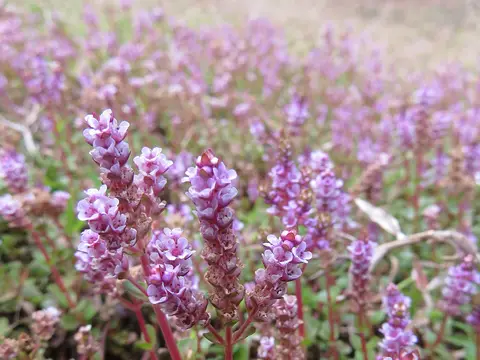
Rotala rotundifolia is probably the most popular stem plant in planted tanks, loved by beginners and seasoned aquascapers alike. Submersed, it forms slender stems with narrow leaves that shift from green to orange-pink under good lighting, and in groups it creates soft, bushy patches that add depth. It is native to South and Southeast Asia, where it grows in rice paddies and on damp banks; it is often mislabeled as "Rotala indica" in stores.
Its big strength is tolerance: it grows in almost any tank with decent light, without CO2, in soft to moderately hard water. Varieties such as 'Green', 'H'ra' and 'Colorata' offer slightly different colors and growth habits.
Care and tank setup
It looks best in the midground and background, planted in large groups. Plant stems one by one with tweezers, about half an inch apart, after removing the lower leaves.
- Light: medium for good growth; high for pink tones and upright stems. In low light it stays green and sparse.
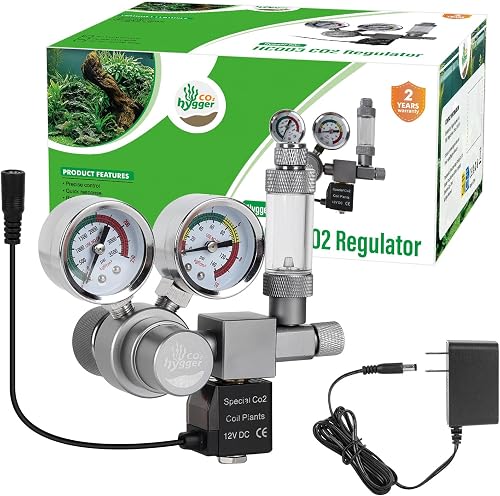
- CO2: optional. Without CO2 it grows slower and greener; with CO2 it forms dense, colorful bushes.
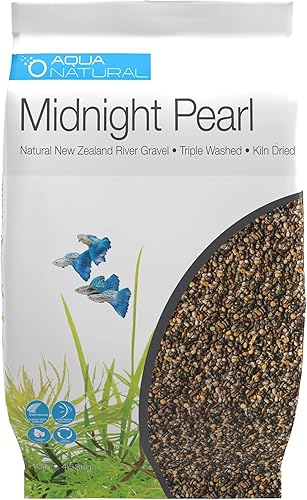
- Substrate: fine-grained; an aquasoil gives the best results, but gravel works with liquid fertilizer and a few root tabs.
- Placement: leave open space in front so light reaches the base; shaded by other plants, it drops its lower leaves.
In low light it tends to grow sideways and creep along the bottom, which is normal for this species. A frequent mistake is never trimming it: the lower part ends up shaded and turns into a bundle of bare stems.
Fertilizing and trimming
It appreciates a weekly all-in-one liquid fertilizer; iron deepens the pink, and slightly lower nitrate also encourages color. Trim often: topping stems at the height you want makes each one branch out into a compact, bush-like clump. Every so often, replant the tops and pull the old bases so the group does not thin out at the bottom.
Propagation
It propagates extremely easily from cuttings: any 2-4 inch top pushed into the substrate roots within days, and even floating pieces eventually grow roots. Every trim gives you plenty of material to expand the group or share. Put leftovers in the trash or compost, never in streams or ponds: it has already become naturalized in some regions.
Recommended equipment
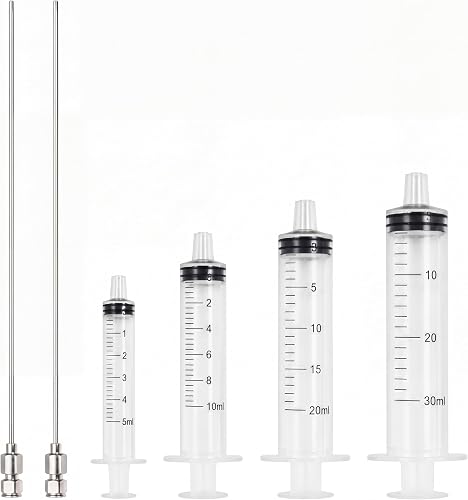
What you need to keep the Rotala rotundifolia healthy, checked against Amazon stock.

Frequently asked questions
What light and CO₂ does Rotala rotundifolia need?
Light: medium. CO₂: optional (helps). Growth: fast.
Is it a good plant for beginners?
Yes: it’s one of the easiest plants and forgives mistakes with light and fertilizing.
You may also like
 ProfileCryptocoryne wendtii
 ProfileAlternanthera reineckii
 ProfileBacopa caroliniana
- GuidePlanted Tank for Beginners: Light, Substrate, Fertilizer and CO2
- Gear reviewAquarium plant fertilizers
- Gear reviewPlanted aquarium LED lights
- GuideCO2 in a Planted Tank: When You Need It and How to Dial It In
- Gear reviewAquarium CO₂ systems
Midground plants → Aquarium plants → Complete aquarium guide →