If you buy through our links, Amazon pays us a small commission at no extra cost to you. That’s how we keep the site running. How we choose.
Contents
Our top 3 picks
Stock checked on October 7, 2026


aquarium caves and hides comparison, in stock
Aquarium Decorations Rock,Stackable Fish Tank Decor Cave, Ceramic Shelters
Ameliade Betta Fish Tank Rock Cave Decor Aquarium Accessories, Medium

Norgail Ceramic Jar Aquarium Decorations Fish Tank Cave Breeding Cones Cave Fish Tank Ornaments for Amano Shrimp…
ALEGI Aquarium Decorations Log Ceramic Cave Betta Fish Tank Accessories

Plecoceramics Cichlid Stone Decoration - Aquarium cave for Cichlids, Betta, Small Fish - Fish Tank Hideway Decor…

Plecoceramics Cichlid Stone Decoration - Aquarium cave for Cichlids, Betta, Small Fish - Fish Tank Hideway Decor…

Plecoceramics Pleco Cave Breeding Ceramic Decorations Fish Tank Aquarium Medium Size (1 pcs)

Lucky Critter Aquarium Underground Tunnel Cave Natural Curve | Viewing Fish & Shrimp Under Gravel Tunnel | Fish Tank…
AcuarioSano rating: combines the average rating and the number of buyer reviews on Amazon. No brand pays to be featured.
Why fish need hiding places
In the wild, almost every small fish has predators, so they shelter among roots, rocks and plants. In the aquarium, a good hide lowers stress, lets nocturnal fish rest during the day and, for territorial species, sets boundaries that prevent fights. Paradoxically, once fish know they have a bolt-hole, you see them more often.
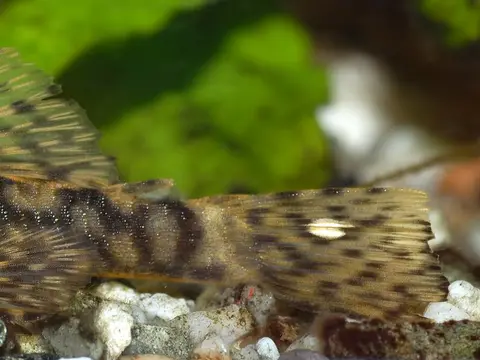
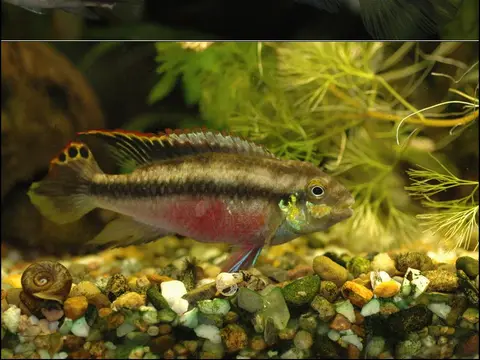
Some species also breed in caves: male plecos guard eggs inside a tube, and dwarf cichlids lay on the ceiling of an enclosed cave.
Types of caves and hides
Ceramic or clay caves
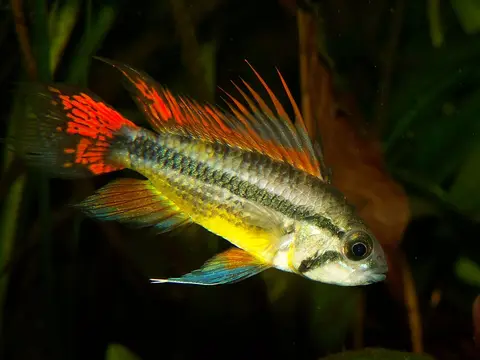
These are the top pick: inert, heavy (they stay put), easy to clean and long-lasting. You'll find pleco caves closed at one end, dome caves for cichlids, and thin tubes or perforated blocks for shrimp. For a bristlenose pleco, the tube should be only slightly wider than the fish: if it's too roomy, the fish won't feel safe or breed in it. For a kribensis or an Apistogramma cacatuoides, a cave with a 1.25-1.5 in (3-4 cm) entrance is ideal.
Coconut caves
Half a coconut shell with an entrance cut out: cheap, natural and popular with dwarf cichlids, small plecos and shrimp. Before use, boil it for 10-15 minutes, strip the outer fibers and scrape out any leftover flesh. It leaches some tannins at first and softens over the years, so keep an eye on it.
Rock, slate and driftwood
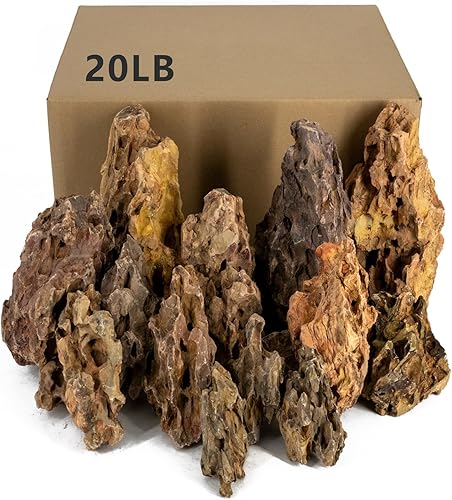
Stacked slate slabs or hollow roots make very natural hides. Secure them well and rest them on the glass. Wood is also essential for many plecos: see options in aquarium driftwood.
Resin ornaments
Shipwrecks, castles or faux logs. They're fine if they're made for aquariums, with no rough edges or flaking paint.
Hide comparison
| Type | Durability | Safety | Best for | Keep in mind |
|---|---|---|---|---|
| Ceramic tube | very high | very high | plecos, loaches | match the diameter to the fish |
| Closed ceramic cave | very high | very high | dwarf cichlids, kribensis | entrance sized for the female |
| Shrimp tubes and blocks | high | high | shrimp and fry | small holes, 3/8-3/4 in (1-2 cm) |
| Coconut | medium (1-3 years) | high if prepped | dwarf cichlids, shrimp | boil and clean first |
| Stacked slate or rock | very high | medium (collapse risk) | cichlids, bottom dwellers | bond with silicone |
| Decorative resin | high | varies | community tanks | no sharp edges or small holes |
How many caves you need
The rule of thumb is at least one hide per territorial fish, plus one extra. With three bristlenose plecos, add four tubes; with a pair of dwarf cichlids, two or three caves separated by plants or rocks. For Lake Malawi cichlids, build plenty of rocky crevices to spread out aggression. In a shrimp tank, hides are crucial during molting, when shrimp stay vulnerable for hours.
Tip: point cave entrances to the sides or toward the back and space them out a bit. Fish feel more secure and territorial squabbles drop. More placement ideas in how to set up an aquarium step by step.
Safety: what to avoid
Watch out: run your fingers over every ornament before it goes in. Sharp edges tear long fins (bettas, angelfish), and small holes are death traps: a fish can push its head in and get stuck. Also avoid painted items of unknown origin, glazed decorative pottery, metal parts and anything not labeled as aquarium-safe.
Common mistakes
- Fewer caves than territorial fish: the most coveted one triggers fights.
- Choosing a tube that's too big for the pleco.
- Using a coconut without boiling and cleaning it.
- Buying cheap ornaments with flaking paint or sharp edges.
- Setting caves on top of the sand in tanks with digging fish, without a solid base.
We compare spec sheets, verified reviews and real-world criteria, but we don't physically test the products: check the entrance size and that the material is aquarium-safe on each listing.
Frequently asked questions
What size cave does a pleco need?
The tube should be just slightly wider than the fish and a little longer than its body. For an adult bristlenose, a tube about 1.25-1.5 in (3-4 cm) inside diameter and 5-6 in (12-15 cm) long usually works.
How do I prepare a coconut cave for an aquarium?
Boil it for 10-15 minutes, strip the outer fibers, scrape out the flesh and sand the edges of the entrance. Rinse it well before adding it to the tank.
How many hiding places does my aquarium need?
At least one per territorial fish, plus one extra. For peaceful species, several areas with plants, roots and rocks where they can shelter are enough.
Are resin aquarium ornaments safe for fish?
Yes, as long as they're made for aquariums, have no sharp edges or holes where a fish could get stuck, and the paint isn't flaking.