If you buy through our links, Amazon pays us a small commission at no extra cost to you. That’s how we keep the site running. How we choose.
Contents
Overview
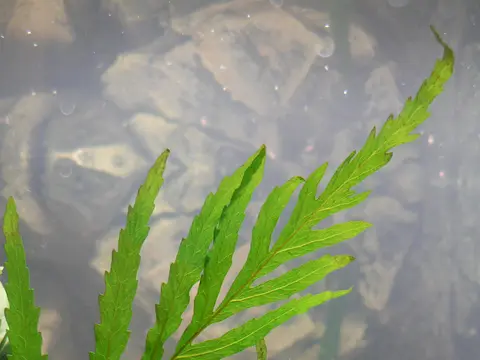
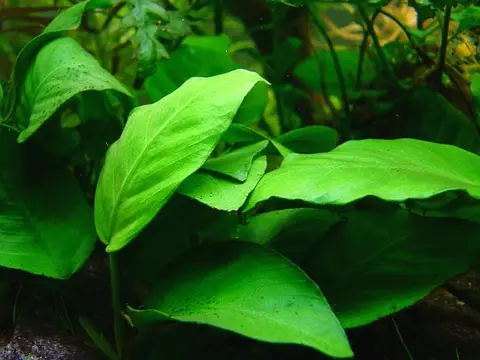
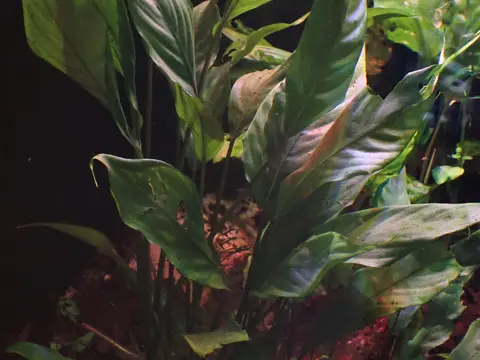
African water fern (Bolbitis heudelotii), also called Congo fern, is an aquatic fern from tropical Africa that grows clinging to rocks and roots in fast-flowing rivers. It forms clumps of dark green, deeply divided, slightly see-through fronds that can reach 12-16 inches (30-40 cm) tall.
It is one of the most elegant plants for a natural-style tank: it brings a wild-river look, fits beautifully into driftwood and rock layouts and, like Java fern, needs no substrate at all. The trade-off is slow growth and slightly fussier needs than anubias, so it suits hobbyists who already have a stable tank and a good filter.
Care and tank setup
The secret is water flow. In the wild it lives in fast, well-oxygenated water, so in the aquarium it does best near the filter outlet or a circulation pump. In still water the fronds darken and collect algae.
- Attaching: tie the rhizome to rock or wood with thread or use gel superglue. Never bury it, or it will rot.
- Tank size: 20-25 gallons (80-100 liters) or more, given how big the clump gets.
- Light: low to moderate; too much light lets algae cover the fronds before they grow.
- Tankmates: river fish such as barbs, danios, rasboras, corydoras, or African lake cichlids that will not dig up its rocks.
After purchase it may take weeks to settle in and can drop a frond or two. Be patient: a firm, green rhizome will push out new growth.
Fertilizing and trimming
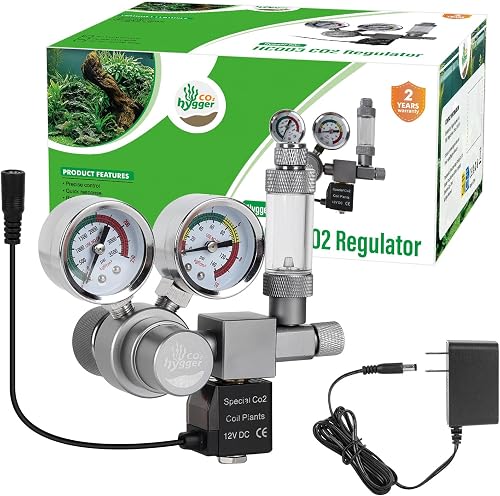
Because it grows slowly, it uses little: a low weekly dose of comprehensive liquid fertilizer is enough. CO2 is not essential but speeds growth and improves color. Trim old, torn or algae-covered fronds at the base. Keep debris away from the plant so the current can move freely between the leaves.
Propagation
Propagate it by dividing the rhizome: cut a section with at least four or five fronds and some roots and attach it elsewhere. Since the rhizome grows slowly, wait until the clump is large before splitting it. Small plantlets sometimes form on the fronds; separate them once they have their own roots.
Recommended equipment
What you need to keep the African water fern healthy, checked against Amazon stock.



Frequently asked questions
What light and CO₂ does African water fern need?
Light: low. CO₂: optional (helps). Growth: slow.
Is it a good plant for beginners?
It’s manageable if you have decent lighting and fertilize regularly.
You may also like
Epiphyte plants → Aquarium plants → Complete aquarium guide →