If you buy through our links, Amazon pays us a small commission at no extra cost to you. That’s how we keep the site running. How we choose.
Contents
Few things are as discouraging as finding a dead fish in the morning when everything looked fine the day before. When there are no spots, wounds or clear signs of disease, the cause is rarely a mystery: in the vast majority of cases there is a water problem or stress that has been building for days or weeks. Stress does not kill directly, but it lowers the fish's defenses, kills its appetite and opens the door to bacteria and parasites that a healthy fish would shrug off. In this guide you will learn how to recognize a stressed fish, what the most frequent causes are and what to do, step by step, to stop the problem before you lose more fish.
If a fish has just died: remove it right away, test ammonia, nitrite and nitrate, check the temperature and do a 25-30% water change with dechlorinator. Those four steps fix or rule out the most common cause in under an hour.
Signs that a fish is stressed
Fish don't complain, but they change their behavior long before they get sick. Get into the habit of watching the tank for a couple of minutes every day, ideally at feeding time, when everyone comes out. These are the most reliable signs:
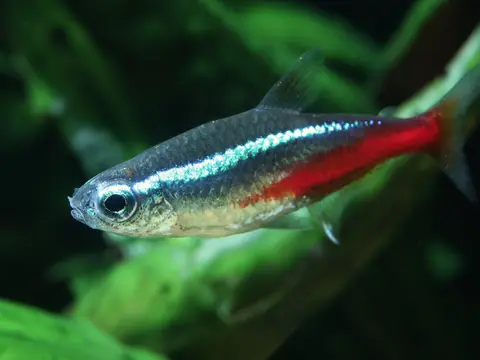
- Faded or pale colors: many species lose color within hours when something is wrong. In fish like the neon tetra, the red and blue stripe becomes noticeably duller.
- Clamped fins: a healthy fish swims with its fins spread; fins held tight against the body for hours are a warning sign.
- Hiding all the time or, the opposite, a schooling fish swimming alone away from the group.
- Rapid breathing or gasping at the surface: fast-moving gills or fish gulping air at the top point to low oxygen or toxic water.
- Glass surfing: swimming up and down against the glass nonstop, typical of fish that don't feel safe or live in the wrong setup.
- Loss of appetite: spitting out food or ignoring it for more than a day in a normally greedy fish.
- Flashing against rocks and decor, sudden darting or jerky swimming.
Causes of stress and sudden deaths
The table sums up the causes we see most often, from most to least common. If several fish die within a few days, always start with the first two rows.
| Cause | What you notice | What to do |
|---|---|---|
| Ammonia or nitrite above 0 | Gasping, fast breathing, deaths in new tanks or after cleaning the filter | Daily 25-30% water changes until readings hit 0, then check the cycle |
| Nitrate buildup | Dull fish and slow deaths, one by one, in older tanks | Back to 20-30% weekly water changes; keep nitrate below 25-40 ppm |
| Wrong or unstable temperature | Fish sitting on the bottom (cold) or gasping (heat) | A reliable thermometer, a properly sized heater and 75-81 °F (24-27 °C) for most tropicals |
| Incompatible tankmates | Nipped fins, hiding fish, constant chasing | Remove the bully or rethink the stocking |
| School too small | Skittish, pale schooling fish, or fish turning on each other | Groups of at least 6-10 of the same species |
| No hiding spots, too much light or noise | Fish hiding behind the filter or spooked by any movement | Plants, driftwood, caves, 6-8 hours of light and a tank away from doors and speakers |
| Rough transport and acclimation | Deaths within 48 hours of purchase | Acclimate for 15-20 minutes (drip acclimation for sensitive species) and never add store water |
The classic case is "new tank syndrome": the tank is set up, filled with fish in the first week, and the bacteria that remove ammonia don't exist yet. If your tank is less than 4-6 weeks old, read our guide to cycling an aquarium before adding more fish.
Tankmates and group size
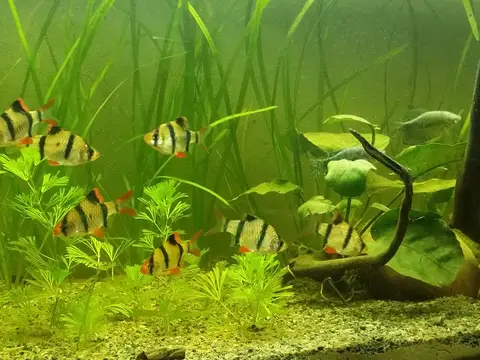
Many "unexplained" deaths are really constant bullying. A tiger barb kept in a small group will nip the long fins of bettas or angelfish, and a territorial fish can keep others from eating without you noticing. Likewise, tetras, rasboras and corydoras need a group: three of them live in constant fear. Before buying, check how each species fits with the ones you already keep.
What to do, step by step
When you notice signs of stress or a fish dies, follow this order. It is the same routine experienced fishkeepers use, and it avoids most unnecessary treatments.
- Remove dead fish and leftover food: they break down fast and spike ammonia.
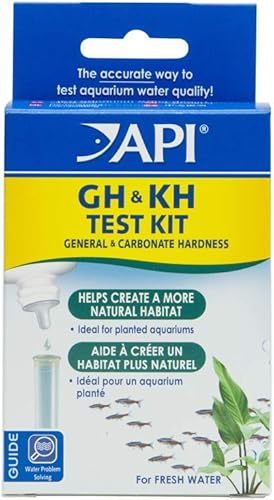
- Test the water with a reliable liquid test kit: ammonia, nitrite, nitrate, pH and hardness. Strips are fine for a rough idea, but liquid tests are more accurate.
- Check the temperature with a thermometer other than the one on the heater.
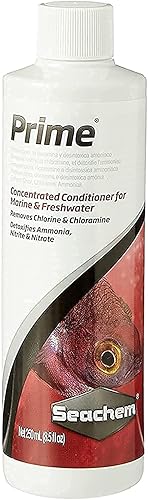
- Change 25-30% of the water using dechlorinator and water at a similar temperature (within 2-3 °F).
- Inspect the filter: make sure it runs, the flow hasn't dropped and it wasn't rinsed in tap water.
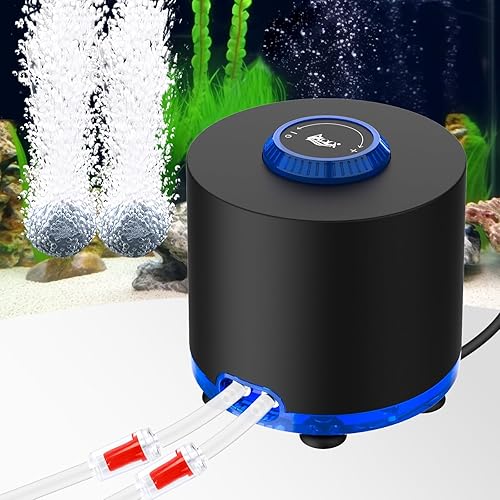
- Boost oxygen with an air pump or by lowering the filter outlet until it ripples the surface.
- Cut feeding in half for a few days and watch how each species behaves.
- Only then, if spots, fungus or ragged fins appear, read our guide to fish diseases before medicating.
Avoid drastic changes: an 80% water change, correcting pH all at once or deep-cleaning the filter and gravel on the same day can kill more fish than the original problem. Fix things gradually and consistently.
Prevention: a stress-free tank
The recipe is simple and it works: a cycled tank, 20-30% weekly water changes, stable temperature, a filter turning over 3-5 times the tank volume per hour, and stocking based on each fish's adult size, not on how many fit today. Feed what they finish in 2-3 minutes, once or twice a day. Provide plants and hiding places, especially for shy species, and run the light for 6-8 hours on a timer so the day-night rhythm stays the same.
New fish deserve extra care: a 2-4 week quarantine and slow acclimation keep diseases out of the main tank and cut losses in the first days. And if you have to move the tank, plan it so the filter isn't switched off for hours.
Common mistakes
- Adding lots of fish at once to a brand-new tank.
- Rinsing filter media in tap water: chlorine and chloramine kill the filter bacteria.
- Buying a single fish of a schooling species "to see how it goes".
- Mixing species on looks alone without checking temperature, temperament and adult size.
- Tapping on the glass or placing the tank next to a door, the TV or a window with direct sun.
- Medicating blindly without testing the water first.
- Pouring the store bag water into the tank.
Recommended gear for this guide

Frequently asked questions
Why are my fish dying when the water looks clear?
Crystal-clear water can still have high ammonia, nitrite or nitrate, because none of them is visible. The only way to know is to test. Temperature, oxygen and tankmates also play a role.
How long does it take a fish to recover from stress?
Once the cause is fixed, most fish get their color and appetite back within a few days. After transport or a move to a new tank it is normal for them to hide for 24-48 hours; if nothing changes after a week, check the water and the tankmates.
Is it normal for fish to die in a new tank?
It shouldn't be. Deaths in the first weeks are almost always caused by an uncycled tank where ammonia or nitrite builds up. Cycle the tank for 4-6 weeks before adding fish, or add them a few at a time.
Can stress kill a fish?
Indirectly, yes. Long-term stress weakens the immune system, reduces appetite and makes the fish vulnerable to bacteria and parasites it would normally keep in check. That is why you need to fix the cause, not just the symptoms.
Does turning off the light help a stressed fish?
Yes, a few hours of dim light lowers activity and fear, especially after transport or a fight. But it doesn't replace testing the water and fixing what is causing the stress.
You may also like
- GuideAquarium Fish Diseases: Symptoms, Causes and What to Do
- GuideIch (White Spot Disease) in Fish: Symptoms, Life Cycle, Treatment
- GuideCloudy Aquarium Water: White, Green or Brown and How to Clear It
 ProfileNeon tetra
- GuideAquarium Cycling: The Nitrogen Cycle, Testing and When to Add Fish
 ProfileTiger barb
- Gear reviewAquarium water test kits
- Gear reviewAquarium water conditioners
Water care & maintenance → See all guides → Complete aquarium guide →