If you buy through our links, Amazon pays us a small commission at no extra cost to you. That’s how we keep the site running. How we choose.
Contents
Overview
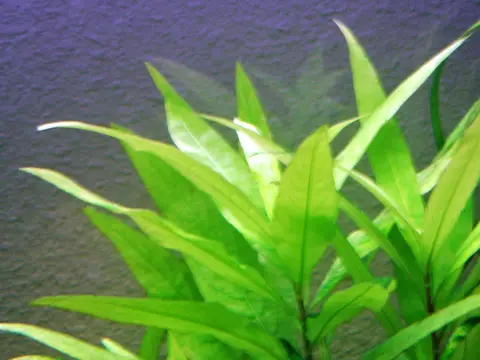
The temple plant, also sold as giant hygro (Hygrophila corymbosa), is a Southeast Asian stem plant with large, lance-shaped, bright green leaves that can pick up bronze or reddish tips under good light. Its stems are thick and stiff, so it builds bulky stands that hide filters, heaters and the back glass.
It is related to dwarf hygrophila (H. polysperma) but bigger and less weedy in the tank. Several trade forms exist, such as 'Stricta', 'Siamensis' and 'Kompakt', which differ mainly in leaf size and shape. It is a safe bet for beginners and for medium to large low-tech tanks.
Care and tank setup
Because of its size, it looks best in tanks of 20 gallons (75-80 liters) or more and at least 18 inches (45 cm) tall. Plant stems in the back about 1.5 inches apart, since each one fills out. In small tanks it outgrows the space fast and needs trimming every week.
- Light: medium. Strong light keeps it compact and colorful; low light makes it drop its lower leaves.
- CO2: not required, though it helps.
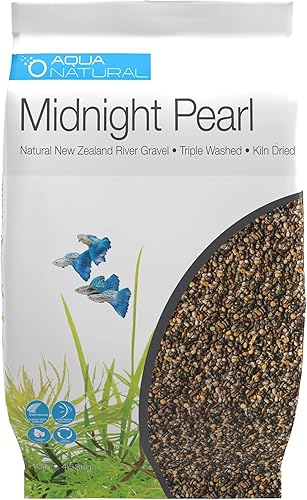
- Substrate: a nutrient-rich soil or gravel with root tabs, because it roots heavily.
It is fine with almost all fish and shrimp. Plant eaters such as silver dollars, goldfish and some large cichlids may devour it. Typical mistakes: trimming too late, so the shaded lower leaves fall off, and letting it sprawl across the surface where it steals light from the rest of the aquascape.
Fertilizing and trimming
It is a heavy feeder. Dose a complete liquid fertilizer with iron and potassium weekly and add root tabs if you can. Yellowing or pinholed older leaves usually mean potassium or nitrogen is running short. Trim when it nears the surface: cut off the top and replant it, and the base will sprout several new stems. Remove damaged leaves before they rot.
Propagation
It is propagated from cuttings. Take 6 inch (15 cm) tops with several leaf pairs, strip the lowest leaves and plant them. It also roots from stem sections and even from loose floating leaves, which eventually grow roots and a tiny plantlet. It is very easy, and within weeks you will have spare stems for other spots or to trade with fellow hobbyists.
Recommended equipment
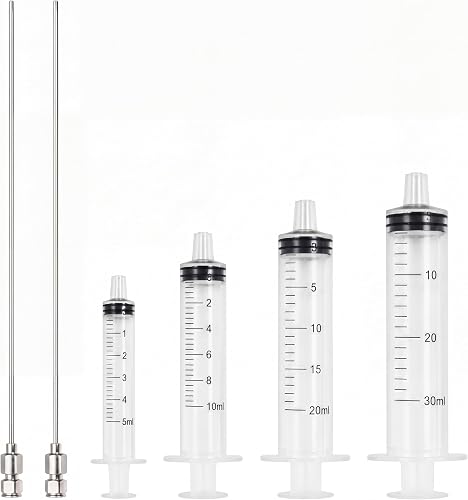
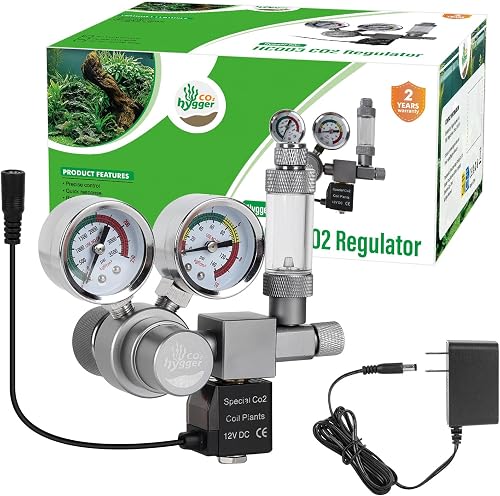
What you need to keep the Temple plant (Hygrophila corymbosa) healthy, checked against Amazon stock.

Frequently asked questions
What light and CO₂ does Temple plant (Hygrophila corymbosa) need?
Light: medium. CO₂: optional (helps). Growth: fast.
Is it a good plant for beginners?
Yes: it’s one of the easiest plants and forgives mistakes with light and fertilizing.
You may also like
Background plants → Aquarium plants → Complete aquarium guide →