If you buy through our links, Amazon pays us a small commission at no extra cost to you. That’s how we keep the site running. How we choose.
Contents
Overview
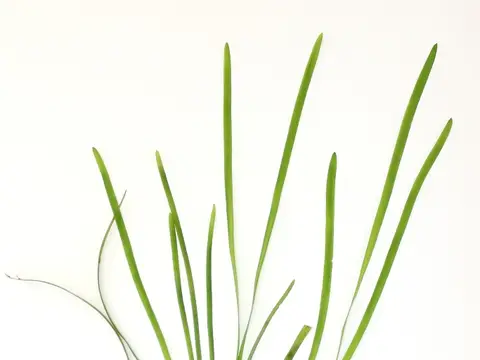
Vallisneria, or "val" as many hobbyists call it, is one of the oldest and easiest aquarium plants. It forms rosettes of long, ribbon-like leaves in light green that reach the surface and sway in the current, creating a lush, river-meadow background. The most common species, Vallisneria spiralis (often sold as Italian val), comes from southern Europe, North Africa and the Middle East, though stores also sell other species and hybrids such as corkscrew val and jungle val.
Hobbyists love it because it grows in nearly any tank: in low light, without CO2 and in hard, alkaline water where many plants struggle. That makes it a staple with livebearers and African cichlids, and an ideal choice for beginners who want to fill the background quickly.
Care and tank setup
Plant it along the back and sides of the tank, in rows, to hide equipment and add depth. In shallow tanks the leaves trail across the surface.
- Light: low to medium. More light means faster, denser growth.
- CO2: not needed; it can also draw carbon from the carbonates in hard water.
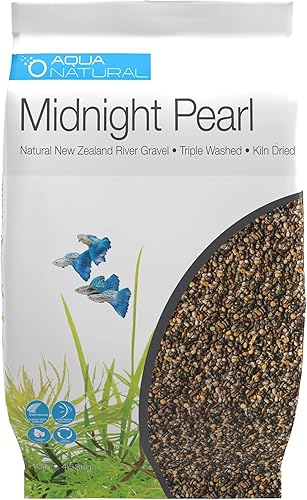
- Substrate: fine gravel or sand; it appreciates root tabs.
- Planting: bury only the roots and keep the white crown (where the leaves meet) above the substrate; buried crowns rot.
It is sensitive to some glutaraldehyde-based liquid carbon products, which can make it melt. Losing a few leaves while it adjusts after planting is normal. Digging fish may uproot it, and some herbivores, such as large silver dollars or goldfish, will eat it.
Fertilizing and trimming
A basic liquid fertilizer plus a few root tabs is enough; yellowing or see-through leaves usually point to a lack of iron or potassium. To trim, cut long leaves off at the base rather than halfway: leaves cut in the middle look ragged and turn yellow. Also remove runners that spread where you do not want them.
Propagation
It spreads on its own by runners: it sends creeping stems across the substrate that form daughter plants in a row, building a dense curtain within months. Once a daughter has several leaves and roots, snip the runner and move it wherever you like. Note that several vallisneria species have become invasive in waterways around the world, so never dump extras into streams, lakes or ponds.
Recommended equipment
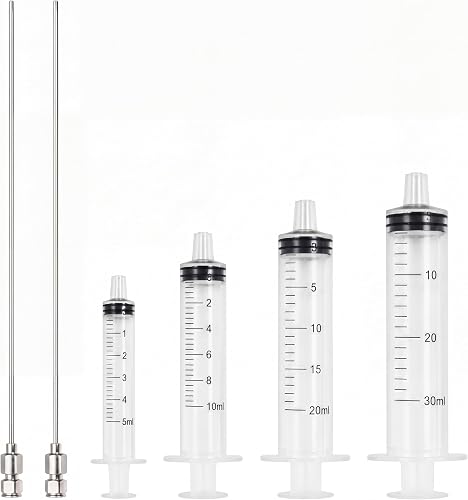
What you need to keep the Vallisneria healthy, checked against Amazon stock.

Frequently asked questions
What light and CO₂ does Vallisneria need?
Light: low. CO₂: not needed. Growth: fast.
Is it a good plant for beginners?
Yes: it’s one of the easiest plants and forgives mistakes with light and fertilizing.
You may also like
Background plants → Aquarium plants → Complete aquarium guide →