If you buy through our links, Amazon pays us a small commission at no extra cost to you. That’s how we keep the site running. How we choose.
Contents
Overview
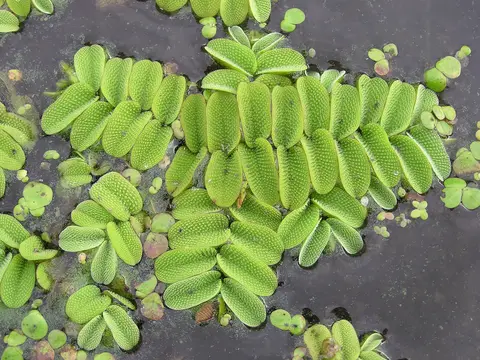
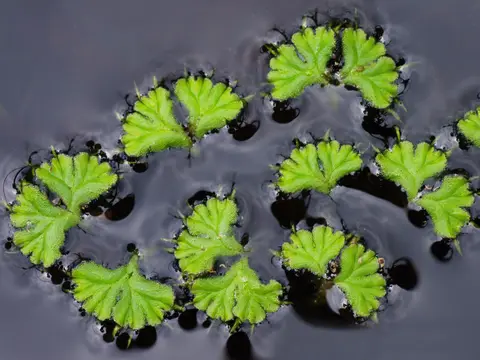
Salvinia (Salvinia natans) is a small floating fern with oval leaves about half an inch (1-1.5 cm) long, arranged in pairs along a horizontal stem. The upper surface is covered in water-repellent hairs that give it a velvety look. Underneath hang fine, feathery "roots" that are actually modified leaves.
It is a classic floater for shading fish that prefer dim light, such as bettas, gouramis and blackwater tetras, and for giving fry somewhere to hide. It also competes with algae by soaking up nutrients. It grows quickly, but slower than duckweed, which makes it easier to manage.
Care and tank setup
It works in tanks of any size and in outdoor ponds during summer. It needs a calm surface; strong flow soaks the leaves, pushes them under and makes them rot. Condensation dripping from the lid also damages it, so leave some ventilation or a gap between lid and water.
- Light: medium. Too close to a hot light, the leaves scorch and turn brown.
- Surface: do not let it cover more than half, so light and oxygen reach the rest of the tank.
- Tankmates: goldfish and herbivorous fish will eat it.
Several Salvinia species, especially giant salvinia (S. molesta), are among the worst aquatic invasives in the world, and many U.S. states restrict or ban the genus. Check your state's rules before buying, never release it into the wild and throw surplus in the trash rather than a pond or drain.
Fertilizing and trimming
It feeds on nutrients dissolved in the water, and in a stocked tank that is usually enough. If leaves yellow or stay small, add a liquid fertilizer with iron and potassium. Maintenance means removing excess every week or two, starting with the oldest or yellowing plants, and trimming the roots if they hang too long. A floating ring helps keep it in one area.
Propagation
In aquariums it spreads by division: the horizontal stem grows and branches, and pieces that break off become new plants. Simply snap a chain of leaves in two to get two plants. In the wild it also produces spores in late summer, but that is not needed in a tank. For faster spread, give steady medium light and a calm surface; to slow it down, thin it more often.
Recommended equipment
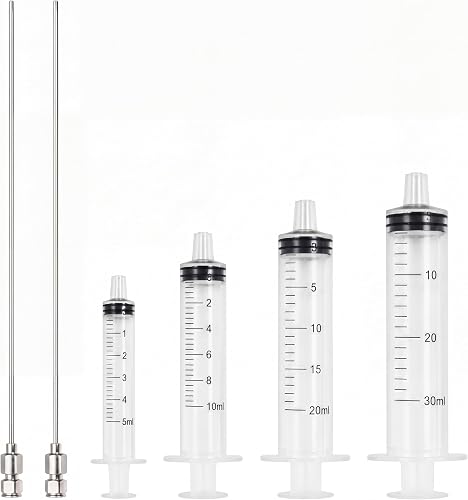
What you need to keep the Salvinia (Salvinia natans) healthy, checked against Amazon stock.

Frequently asked questions
What light and CO₂ does Salvinia (Salvinia natans) need?
Light: medium. CO₂: not needed. Growth: fast.
Is it a good plant for beginners?
Yes: it’s one of the easiest plants and forgives mistakes with light and fertilizing.
You may also like
Floating plants → Aquarium plants → Complete aquarium guide →