If you buy through our links, Amazon pays us a small commission at no extra cost to you. That’s how we keep the site running. How we choose.
Contents
Our top 3 picks
Stock checked on October 7, 2026


aquarium algae scrapers and magnets comparison, in stock
Aqueon Aquarium Algae Scraper, Fish Tank Magnetic Glass Cleaner for Glass/Acrylic, Large
Aqueon Aquarium Algae Scraper, Fish Tank Magnetic Glass Cleaner for Glass/Acrylic, Mini

hygger Aquarium Strong Magnetic Cleaner Algae Magnet Cleaning Tool with Scraper Floating Brush for Fish Glass Tank S
hygger Aquarium Strong Magnetic Cleaner Algae Magnet Cleaning Tool with Scraper Floating Brush for Fish Glass Tank M

Aquarium Algae Scraper Cleaner Brush with 10 Stainless Steel Blades for Fish Reef Plant Glass Tank 26 Inch
HOTOOLME Aquarium Scraper, 25.6" Stainless Steel Scraper Cleaning Razor with 10 Blades for Glass Aquarium Fish Tank

Magnetic Aquarium Fish Tank Glass Algae scrapers Glass Cleaner Scrubber Clean Brush [Floating,Scratch-Free,N…

Magnetic Aquarium Fish Tank Glass Algae Scrapers Glass Cleaner Scrubber Clean [Compact, Scratch-Free, Non-Slip…
AcuarioSano rating: combines the average rating and the number of buyer reviews on Amazon. No brand pays to be featured.
Why algae grows on the glass
Even in a well-balanced tank, the glass slowly picks up a thin film of green algae or hard green spot algae. That's normal: there's light, nutrients and a smooth surface. If the film comes back within two or three days or gets thick, the real problem is too much light or too many nutrients, so read our guide to aquarium algae before buying more tools.
Most people scrape the glass once a week, right before the water change. That way the loosened gunk ends up in the bucket instead of the filter.
Types of algae cleaners compared
| Type | How it works | Pros | Cons | Best for |
|---|---|---|---|---|
| Magnetic glass cleaner | one half inside, one outside, held by a magnet | dry hands, quick daily use | can trap sand grains and scratch | weekly cleaning of light film |
| Floating magnet | the inner half floats if it detaches | no fishing around at the bottom | slightly less grip on thick glass | tall and deep tanks |
| Metal-blade scraper | steel or razor-style blade on a handle | removes hard algae and green spot | scratches acrylic and silicone | glass tanks only, stubborn algae |
| Plastic-blade scraper | rigid plastic or ABS blade | acrylic-safe | less effective on hard algae | acrylic tanks and nanos |
| Pad or sponge on a handle | mildly abrasive pad | cheap, reaches corners | wears out, some pads are too abrasive | nano tanks and touch-ups |
Brands like Flipper, Mag-Float, Fluval, Tetra, JBL, Eheim and Hygger sell magnets in several sizes and long-handled scrapers. In practice, many hobbyists pair a magnet for routine cleaning with a blade scraper for the algae that won't budge.
Glass thickness and tank material
- Thickness: every magnet lists the maximum glass thickness it handles. Nano tanks with 3/16 in (4-5 mm) glass need a small size; 30-55 gallon tanks (100-200 liters) with 1/4-3/8 in (6-10 mm) glass need a medium or large one. A magnet that's too strong for thin glass snaps together and can pinch fingers or crack the glass.
- Glass: fine with metal blades, as long as you stay off the silicone seams.
- Acrylic: scratches very easily. Use only acrylic-rated magnets and scrapers with soft felt and plastic blades.
- Curved glass or corners: flat magnets don't sit well; a sponge on a handle works better.
Warning: most scratches aren't caused by the magnet itself, but by a grain of sand or gravel trapped between the pad and the glass. Never run the magnet down into the substrate, and if it drops to the bottom, rinse it in tank water before using it again.
How to use it without scratching
- Start at the top and work down, leaving about an inch (2-3 cm) above the substrate.
- Clean the bottom strip with a handled scraper, not the magnet.
- With a metal blade, keep a low angle and stay at least half an inch (1 cm) away from the silicone.
- Rinse the magnet pad now and then to remove particles.
- Clean before the water change, with the filter running.
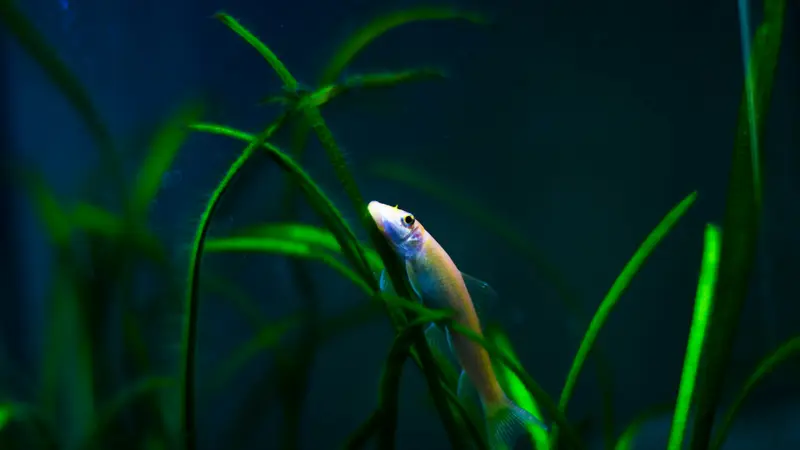
Tip: otocinclus catfish and nerite snails keep the glass clean between sessions, and nerites are especially good at green spot algae. Heads up: nerites lay hard white eggs on the glass that won't hatch in freshwater but are a pain to scrape off.
Common glass-cleaning mistakes
- Dragging the magnet across the bottom and getting sand under the pad.
- Using kitchen scrubbers or sponges with soap or detergent residue.
- Running a metal blade over an acrylic tank or along silicone seams.
- Buying a magnet too small for the glass thickness: it slips and doesn't clean.
- Cleaning more and more often instead of fixing too much light or food.
- Forgetting the outside: hard-water spots and dust on the outer glass block light too.
For this comparison we review spec sheets, verified reviews and real-world use criteria, but we don't physically test the products.
Frequently asked questions
Do magnetic algae cleaners scratch the glass?
Not on their own, but a grain of sand trapped between the pad and the glass can leave scratches. Keep the magnet out of the substrate and rinse it if it falls to the bottom.
What algae scraper should I use on an acrylic tank?
An acrylic-rated magnet or scraper with soft felt and a plastic blade. Metal blades and abrasive pads scratch acrylic very easily.
How do I remove green spot algae from the glass?
It's hard and a magnet barely moves it. Use a metal-blade scraper on glass tanks, and check your lighting and phosphate levels so it doesn't come back as fast.
How often should I clean the aquarium glass?
Once a week is usually enough, before the water change. If you need to do it every two or three days, there's too much light or too many nutrients and you should fix that.
You may also like
 Gear reviewAquarium algae control products
 Gear reviewAquarium gravel vacuums
 Gear reviewAquarium gravel and sand
- GuideAquarium Algae: Types, Causes and How to Get Rid of Them
- GuideAquarium Water Changes: How Much, How Often and How To
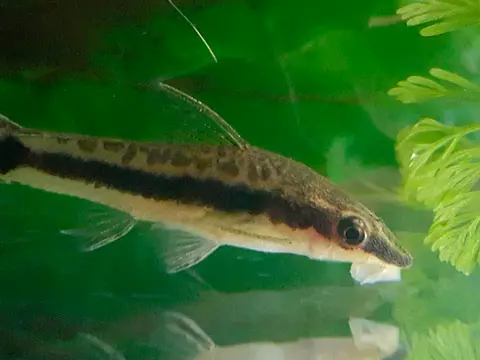 ProfileOtocinclus catfish
- GuideHow Many Hours of Light Does an Aquarium Need? Photoperiod Guide
- GuideLeaving Your Fish Tank on Vacation: Food, Lights and Heat