If you buy through our links, Amazon pays us a small commission at no extra cost to you. That’s how we keep the site running. How we choose.
Contents
Our top 3 picks
Stock checked on October 7, 2026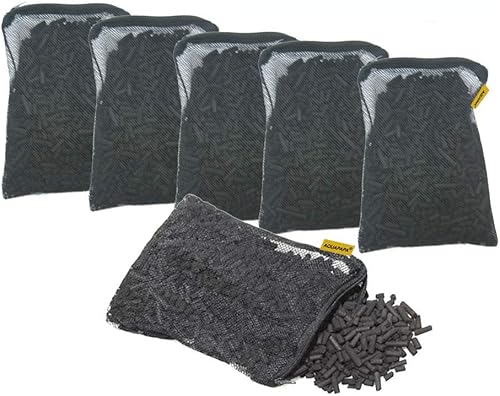

aquarium algae control products comparison, in stock
6 lbs Carbon Charcoal Filter Media Pellets in 6 Mesh Bags for Aquarium Fish Tanks
coospider-repta 200GPH Aquarium Filter, U-V for Aquarium for 20-75 Gal Tank, Submersible Pump Filter for Green Water…

Carbon Boost 4.22 Oz Carbon Supplement for Aquarium Plants - Provides Carbon for Quick Plant Growth- Freshwater…

Zerodeko Aquarium Carbon Dioxide Detection Liquid, Color Change Indicator
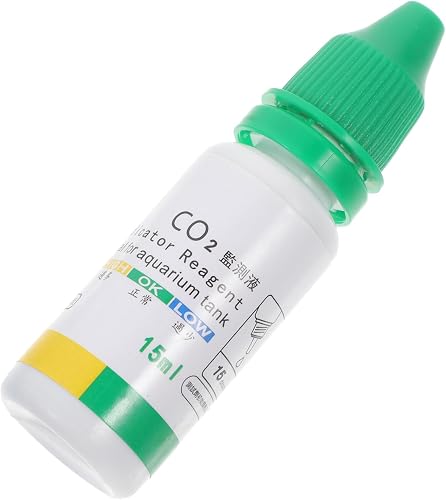
15ml Aquarium Carbon Dioxide Indicator Solution for Fish Tanks
Abaodam Aquarium Carbon Dioxide Indicator Liquid 15ml Water Testing
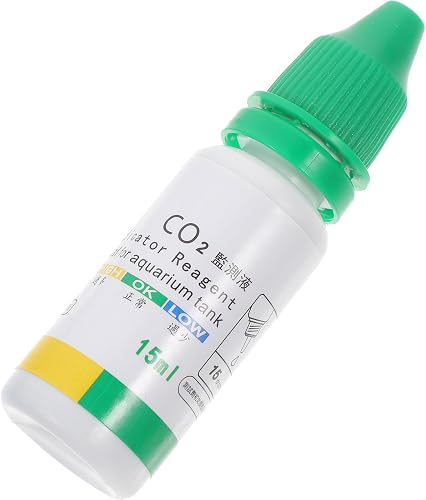
Aquarium Carbon Dioxide Indicator Solution for Planted Tanks, 15ml Bottle

Aquarium UVC Clean Light Algae Clear Green Bloom Clean Fish Tank UVC Water Clean Lamp for Sump Pond Filter Tank (3W…
AcuarioSano rating: combines the average rating and the number of buyer reviews on Amazon. No brand pays to be featured.
Why algae grow in your tank
Algae show up when there's a surplus the plants can't use: light, nutrients or both. The usual suspects are always the same: too many hours of light or an overly strong fixture, overfeeding, high nitrate and phosphate from skipped water changes, too few plants or plants stalling for lack of CO2, and new tanks that haven't settled yet.
That's why the first step is never the product, it's the diagnosis. Our guide to aquarium algae shows how to identify each type; here we focus on which products exist and when they're worth using.
Fix the cause first
- Light: 6-8 hours a day on a timer; start with 6 on a new tank. Make sure no direct sunlight hits the glass. Our guide on how many hours of light covers it in detail.
- Nutrients: test nitrate and phosphate, do 20-30% weekly water changes and cut feeding back to what gets eaten in 2-3 minutes.
- Plants: add fast-growing stem plants and floaters; they compete directly with algae for light and nutrients.
- CO2 and fertilizer: in high-light planted tanks, unstable CO2 or unbalanced dosing is the classic cause of black beard and hair algae. More in CO2 in the aquarium.
- Manual removal: pull out or brush off everything you can before any treatment.
Tip: change one thing at a time and wait two weeks. If you cut the light, switch fertilizer and add an algae remover all at once, you'll never know what actually worked.
Types of algae products compared
| Type | What it targets | Shrimp and plant safety | When to use it |
|---|---|---|---|
| Liquid carbon (glutaraldehyde-type) | black beard and staghorn algae, spot-dosed | tricky: melts Vallisneria, mosses and Riccia; high doses stress shrimp | targeted spot treatments with a syringe |
| General algaecides | green algae, hair algae and green water | varies: read the label; many aren't shrimp or snail safe | heavy outbreaks, after fixing the cause |
| Cyanobacteria treatments | blue-green slime "algae" | varies; some contain antibiotics that hit the filter bacteria | only if cleaning, blackouts and water changes fail |
| Clarifiers and UV sterilizers | green water from free-floating algae | safe for livestock and plants | stubborn green water |
| Phosphate removers | high phosphate from tap water or food | safe, but not for fertilized planted tanks | unplanted tanks with high phosphate |
In the US, Seachem, API, Tetra and Fluval are the names you'll see most, alongside European brands like JBL, Easy-Life and Dennerle. Always check whether the label says it's safe for shrimp, snails and sensitive plants, and avoid anything containing copper if you keep invertebrates. Dose by actual water volume: a 20-gallon (75 l) tank with substrate and decor holds closer to 16-17 gallons.
Warning: killing a lot of algae at once releases organic matter and uses up oxygen. During treatment, add aeration, never exceed the dose, remove dead algae and do a water change a few days later. Only pull activated carbon if the manufacturer says so.
Algae-eating livestock
Algae eaters don't replace fixing the cause, but they're great at keeping small relapses in check:
- Otocinclus: small, peaceful film-algae specialists on leaves and glass. Keep them in a group in a mature tank.
- Amano shrimp: among the best hair-algae eaters; a small group does impressive work in medium tanks.
- Nerite snails: clean glass, rocks and leaves without eating plants, and they can't breed in freshwater.
None of them eats every algae, and none can save a tank running ten hours of light with sky-high nitrate.
Common algae-product mistakes
- Dosing the product without changing anything else, then repeating it monthly as if it were maintenance.
- Using an algaecide in a shrimp tank without confirming it's invertebrate-safe.
- Full-dosing liquid carbon in a tank with Vallisneria or mosses.
- Treating during the first weeks of cycling, when brown diatoms are normal and fade on their own.
- Buying algae eaters for a tank with no algae, which leaves them starving.
For this comparison we review spec sheets, verified reviews and real-world use criteria, but we don't physically test the products.
Frequently asked questions
Do aquarium algae removers work?
Yes, they kill the algae that's there, but if you don't fix the cause (too much light or nutrients, too little CO2 and plants) it comes back within weeks. Use them as support, not as the fix.
Which algae treatment is safe for shrimp?
Only products the manufacturer explicitly labels as invertebrate safe and copper free. Even then, dose below the maximum and watch your shrimp closely for the first few hours.
How do I get rid of green water?
Cut the light, do water changes and keep direct sunlight off the tank. If it persists, a UV sterilizer is the most effective option and it's safe for fish, shrimp and plants.
Is algae normal in a new tank?
Yes. Brown algae (diatoms) are very common in the first weeks and usually disappear on their own as the tank matures. There's no need to treat them with chemicals.
You may also like
 Gear reviewAquarium water test kits
 Gear reviewAquarium LED lights
 Gear reviewAquarium plant fertilizers
- GuideAquarium Algae: Types, Causes and How to Get Rid of Them
- GuideHow Many Hours of Light Does an Aquarium Need? Photoperiod Guide
- GuideCO2 in a Planted Tank: When You Need It and How to Dial It In
- GuideCloudy Aquarium Water: White, Green or Brown and How to Clear It
- GuidePest Snails in Your Aquarium: Why They Appear and How to Control Them