If you buy through our links, Amazon pays us a small commission at no extra cost to you. That’s how we keep the site running. How we choose.
Contents
Our top 3 picks
Stock checked on October 8, 2026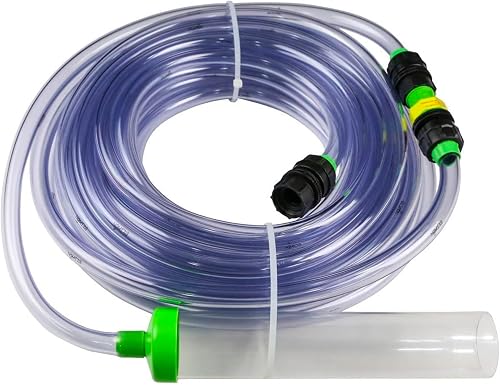

aquarium gravel vacuums comparison, in stock
Python No Spill Clean and Fill Aquarium Maintenance System, Gravel Cleaner and Water Changer, 25 Foot
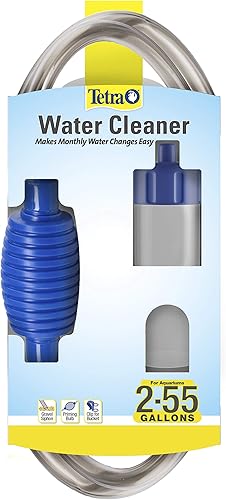
Tetra Water Cleaner Gravel Siphon for Aquariums Up to 55 Gal

enomol Gravel Vacuum for Aquarium Water Changer Fish Tank Cleaning Tools,Siphon Universal Quick Pump Aquarium Water…
enomol Gravel Vacuum for Aquarium Water Changer Fish Tank Cleaning Tools,Siphon Universal Quick Pump Aquarium Water…

GADFISH Gravel Vacuum for Aquarium Water Changer Fish Tank Cleaning Tools, Siphon Universal Quick Pump Aquarium Water…
Luigi's Fish Tank Cleaner - Turtle Tank Accessories - Gravel Vacuum for Aquarium - Hand Siphon Hose to Remove and…

Aqueon Aquarium Siphon Vacuum Gravel Cleaner Mini - 5 Inches

boxtech Fish Tank Water Change,Aquarium Gravel Vacuum Siphon
AcuarioSano rating: combines the average rating and the number of buyer reviews on Amazon. No brand pays to be featured.
What a gravel vacuum actually does
A gravel vacuum (or siphon) is a rigid tube attached to a hose. When you push the tube into the substrate, the water flow lifts the gravel or sand just enough to carry away leftover food, fish waste and rotting leaves, while the heavier substrate drops back down. That way every water change also removes the organic matter that would otherwise break down into ammonia, nitrate and algae food.
In a typical tank you use it once a week during your 20-30% water change. You don't need to vacuum the whole bottom every time: rotating sections works fine.
Types: manual, squeeze-bulb, electric and faucet-connected
| Type | How it works | Pros | Cons | Best for |
|---|---|---|---|---|
| Manual gravity siphon | you prime it and water drains into a bucket set lower | cheap, nothing to break, strong flow | priming can be fiddly, needs a bucket | 15-50 gallon tanks (55-200 liters) |
| Manual with squeeze bulb or prime valve | squeeze the bulb or shake the tube to start the flow | easy start without mouth-siphoning | bulbs can crack over the years | most hobbyists |
| Battery or electric | a small pump sucks water through a filter bag | no water removed, handy in nano tanks | low flow, doesn't replace water changes | nano tanks and spot cleaning |
| Faucet-connected (Python-style) | the faucet creates suction, then refills the tank | no buckets, a lifesaver for big tanks | needs a nearby faucet and conditioner when refilling | tanks over 55 gallons (200 liters) |
Brands like Python, Aqueon, Fluval, Eheim, Tetra and Hygger sell versions of each type. On big tanks, faucet-connected systems save dozens of bucket trips; on nano tanks under 8 gallons (30 liters), a slim or battery siphon keeps you from draining half the tank in seconds.
Gravel, sand and planted tanks
- Gravel: push the tube all the way to the glass and stir. A wide tube (1.5-2.5 in / 4-6 cm) cleans fast in medium tanks.
- Fine sand: don't bury the tube; hover it about half an inch to an inch (1-2 cm) above the surface so it picks up debris without sucking up sand. If sand rises, pinch the hose to slow the flow.
- Aqua soils and planted tanks: vacuum only open areas and the top layer. Digging deep into a nutrient substrate releases nutrients and clouds the water.
If you keep corydoras or other bottom dwellers, keeping the sand clean matters even more for their barbels.
Tip: stretch a piece of fine mesh or pantyhose over the tube's mouth if you have shrimp or fry. Wide siphons easily suck up small cherry shrimp.
How to choose diameter and length
- Tank height: the tube must reach the bottom and stick out a few inches above the waterline.
- Hose diameter: on 5-15 gallon tanks, thin hoses help control flow; on 30 gallons and up, thicker hoses so you're not there all afternoon.
- Hose length: long enough to reach the bucket or drain without tension; for faucet systems, measure the distance before you buy.
- Useful extras: flow-control clamp, gravel guard and a clip to hold the hose on the bucket.
Warning: don't deep-vacuum the whole substrate on the same day you clean the filter. Both remove bacteria and organic matter, and together they can destabilize a newly cycled tank. Space them a week or two apart.
Common gravel-vacuum mistakes
- Starting the siphon by mouth: besides being gross, you can swallow water full of waste or medication.
- Leaving the bucket unattended until it overflows, or letting the siphon run dry and suck air.
- Using a battery vacuum instead of a water change: it cleans, but it doesn't replace water.
- Ripping up plant roots by jamming the tube between them.
- Refilling with tap water without conditioner or at a very different temperature.
For this comparison we review spec sheets, verified reviews and real-world use criteria, but we don't physically test the products.
Frequently asked questions
How often should I vacuum my aquarium gravel?
Once a week, during your 20-30% water change. You don't need to clean the whole bottom: rotate sections so you don't disturb too much of the substrate bacteria at once.
Can you use a gravel vacuum on sand?
Yes. Hover the tube just above the surface without burying it so it picks up debris but not sand. If it starts pulling sand, slow the flow by pinching the hose.
Do battery gravel vacuums replace water changes?
No. Most filter the water and return it to the tank, so they remove debris but not nitrate. Use them as an add-on and keep doing weekly water changes.
How do I avoid sucking up shrimp or fry?
Cover the tube opening with fine mesh or pantyhose, use a small-diameter siphon and reduce the flow. Check the bucket before you dump the water.
You may also like
 Gear reviewAquarium water test kits
 Gear reviewAquarium water conditioners
 Gear reviewAquarium gravel and sand
- GuideAquarium Water Changes: How Much, How Often and How To
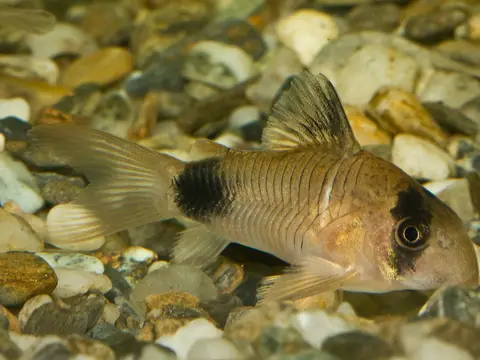 ProfilePanda cory
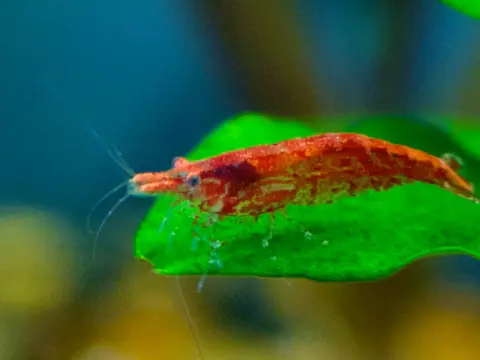 ProfileCherry shrimp
- GuideHow Many Hours of Light Does an Aquarium Need? Photoperiod Guide
- GuideLeaving Your Fish Tank on Vacation: Food, Lights and Heat