If you buy through our links, Amazon pays us a small commission at no extra cost to you. That’s how we keep the site running. How we choose.
Contents
Overview
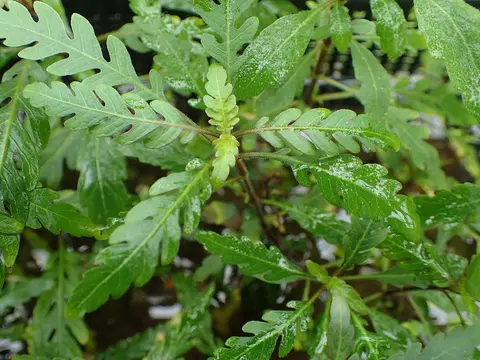
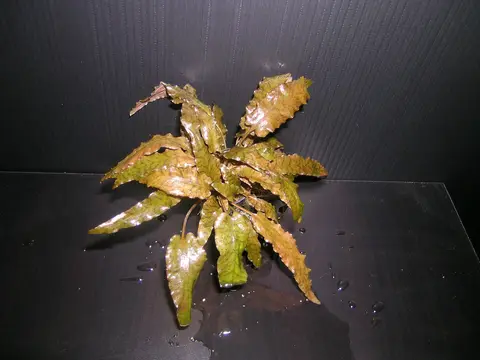
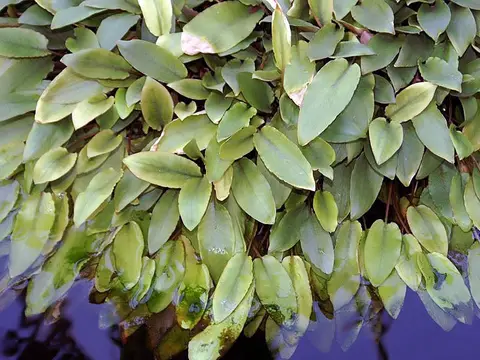
Hygrophila pinnatifida is a truly distinctive plant: its elongated leaves are deeply lobed, olive green on top and reddish or brown underneath, giving it a look reminiscent of a fern or an oak leaf. It comes from southern India, where it grows in flowing, rocky streams.
Its standout feature is that besides being planted in the substrate, it can grow attached to driftwood and rocks like an epiphyte, sending out roots that grip the surface. That makes it very versatile in hardscape-heavy layouts. In good light it stays compact and richly colored; in low light it grows greener and leggier. It suits hobbyists with some experience, or beginners who pay attention to lighting and fertilizing.
Care and tank setup
It works in the midground, either planted or tied to wood and stone, where its jagged leaves really stand out.
- Light: medium to high. Strong light keeps it low, horizontal and reddish; low light makes it stretch and turn green.
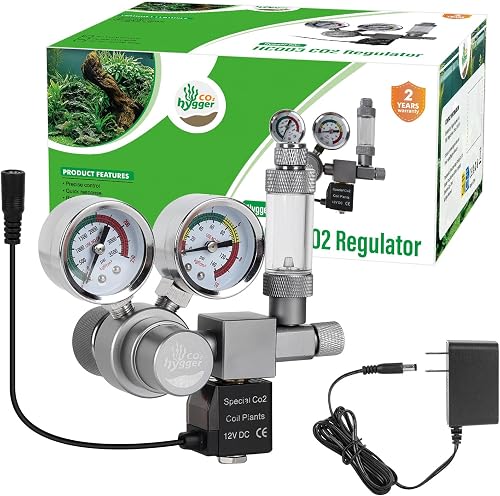
- CO2: optional, but it greatly improves shape and color.
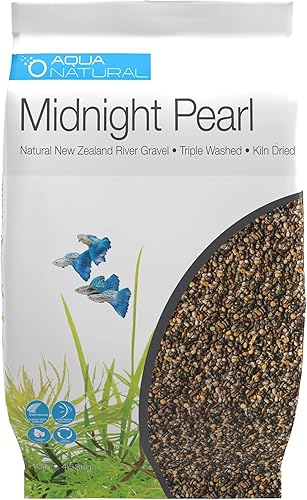
- Substrate: when planted, it prefers an aquasoil or root tabs; on wood it relies on liquid fertilizer in the water column.
- Planting: to attach it to driftwood, tie it on with cotton thread or use cyanoacrylate gel glue; within a few weeks it holds on by itself.
It likes some flow and clean water. Typical issue: leaves with pinholes or see-through edges, a sign of potassium deficiency. Give it room, as the leaves spread horizontally and can shade lower plants.
Fertilizing and trimming
It needs a complete fertilizer with potassium and iron; if planted in the substrate, add root tabs nearby every few months. Trim stems that grow upward so the plant keeps a low, spreading form, and remove old or damaged leaves. If the side shoots sprawl too far, cut them back and reuse them.
Propagation
It propagates from top cuttings and from the runner-like side shoots it sends out horizontally, which produce new plantlets. Detach them once they have several leaves and roots, then plant them or tie them to a rock. Never toss extras into streams or ponds: dispose of them in the trash or compost.
Recommended equipment
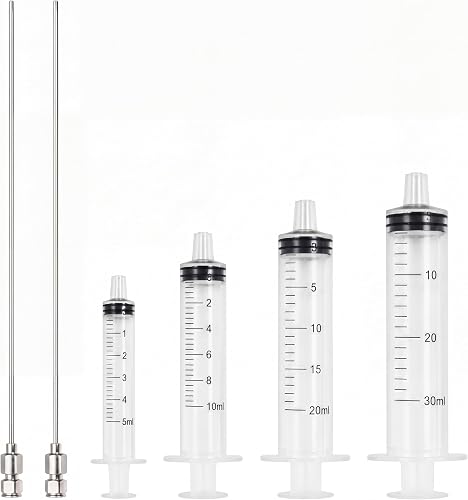
What you need to keep the Hygrophila pinnatifida healthy, checked against Amazon stock.

Frequently asked questions
What light and CO₂ does Hygrophila pinnatifida need?
Light: medium. CO₂: optional (helps). Growth: moderate.
Is it a good plant for beginners?
It’s manageable if you have decent lighting and fertilize regularly.
You may also like
Midground plants → Aquarium plants → Complete aquarium guide →