If you buy through our links, Amazon pays us a small commission at no extra cost to you. That’s how we keep the site running. How we choose.
Contents
Overview
Cryptocoryne parva is the smallest species in the genus, forming rosettes of narrow, elongated, deep green leaves that rarely grow past 2 inches. It comes from Sri Lanka, where it grows along stream banks that alternate between flooded and exposed seasons.
It is a popular stand-in for demanding carpeting plants, because it creates a dense, lawn-like foreground without a high-tech setup. The trade-off is patience: it is one of the slowest-growing plants in the hobby. It is ideal for nano tanks, shrimp tanks and low-maintenance aquascapes.
Care and tank setup
Despite the "shade plant" reputation of crypts, parva needs a bit more light than other Cryptocoryne species; shaded by taller plants, it simply stalls.
- Light: medium. It survives in low light but barely grows.
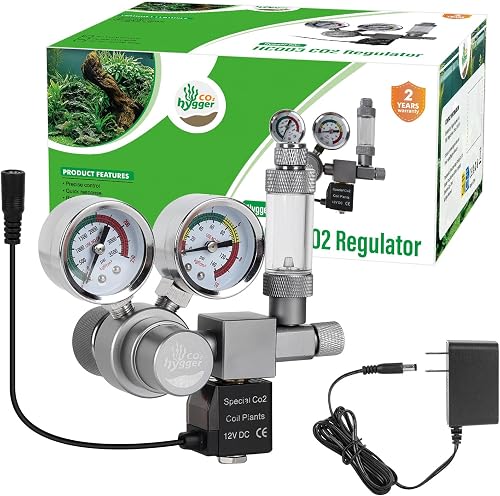
- CO2: optional; it speeds things up a little, though growth stays slow.
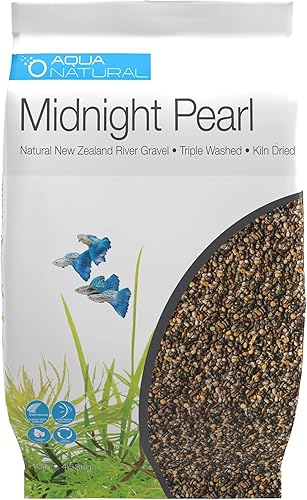
- Substrate: aqua soil, or fine gravel enriched with root tabs; it feeds mostly through its roots.
- Planting: separate the rosettes and plant them one by one, about 1 inch apart, burying the roots but not the crown.
- Placement: an open foreground, in front of rocks or driftwood.
Like all crypts, it can suffer crypt melt: after transplanting or sudden changes in water, light or temperature, the leaves dissolve. Don't pull it out. The roots are usually still alive and it will sprout again within a few weeks. Keep the tank cycled and stable, with regular water changes, to avoid it.
Fertilizing and trimming
Push root tabs near the plants every 2-3 months, especially in inert substrate, and add a moderate dose of liquid fertilizer. It doesn't need trimming; just remove old or damaged leaves at the base. What matters is keeping its space clear by cutting back neighboring plants that shade it, and gently siphoning the debris that collects between the rosettes.
Propagation
It multiplies through runners sent out under the substrate, which produce new rosettes an inch or so from the mother plant. The process is slow at first; once established, the colony gradually fills in. When the daughter plants have their own roots, you can separate and replant them. Many hobbyists start with several pots to shorten the wait.
Recommended equipment
What you need to keep the Cryptocoryne parva healthy, checked against Amazon stock.

Frequently asked questions
What light and CO₂ does Cryptocoryne parva need?
Light: medium. CO₂: optional (helps). Growth: slow.
Is it a good plant for beginners?
It’s manageable if you have decent lighting and fertilize regularly.
You may also like
 ProfileBrazilian micro sword (Lilaeopsis brasiliensis)
 ProfilePygmy chain sword (Helanthium tenellum)
 ProfileStaurogyne repens
- Gear reviewPlanted aquarium LED lights
- Gear reviewAquarium plant fertilizers
- GuidePlanted Tank for Beginners: Light, Substrate, Fertilizer and CO2
- GuideCO2 in a Planted Tank: When You Need It and How to Dial It In
- Gear reviewAquarium CO₂ systems
Foreground plants → Aquarium plants → Complete aquarium guide →