If you buy through our links, Amazon pays us a small commission at no extra cost to you. That’s how we keep the site running. How we choose.
Contents
Our top 3 picks
Stock checked on October 7, 2026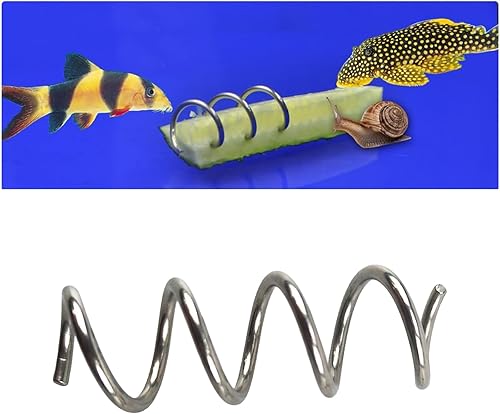
food for bottom feeders comparison, in stock

King British Algae Wafer, 40g
Fish Tank Aquarium Vegetable Feeder, Bottom Sinking Loach Feeder
AcuarioSano rating: combines the average rating and the number of buyer reviews on Amazon. No brand pays to be featured.
Why bottom feeders need their own food
Flakes float and get eaten within seconds by tetras, guppies and barbs. What little reaches the bottom is usually dissolved or simply not enough. That is why corydoras, plecos and loaches need food that sinks fast and holds together for a few hours: tablets, wafers, chips or sinking pellets.
Assuming "cleanup crew" fish live on scraps is one of the most common mistakes. A panda cory is an omnivore that hunts small invertebrates and debris in the sand; a bristlenose pleco rasps algae and biofilm and also needs plant matter and driftwood. We cover this in detail in fish that clean the aquarium.
Algae, protein and wood: what each one eats
| Fish | Diet | Staple food | Extras |
|---|---|---|---|
| Corydoras | omnivores leaning carnivore | sinking tablets or pellets with animal protein | frozen bloodworms, brine shrimp |
| Bristlenose and otocinclus | herbivores | algae or spirulina wafers | blanched zucchini or cucumber |
| Wood-eating plecos (Panaque, Panaqolus) | wood eaters | driftwood in the tank + veggie wafers | vegetables |
| Loaches (kuhli, clown) | carnivore-omnivores | protein tablets and pellets | worms, snails for larger species |
Algae or spirulina wafers (Hikari Algae Wafers, Tetra Pleco, Fluval Bug Bites bottom feeder formula, Omega One and similar) are the staple for herbivores such as the otocinclus. Protein wafers (shrimp, fish, insects) suit corydoras and loaches better. In a mixed tank, alternate the two or use a blend.
When and how much to feed
Many bottom feeders are crepuscular: the kuhli loach and most plecos become active when the light drops. Drop the wafers in shortly after lights out so they reach the intended fish rather than the mid-water crowd.
- Amount: as a starting point, one small tablet per 2-3 corydoras, or one wafer per adult pleco, then adjust based on leftovers.
- Frequency: once a day, or every other day if they also eat scraps from other foods; one fasting day a week.
- Remove leftovers: if soft wafer remains the next morning, you fed too much: siphon it out.
Tip: use a small glass or ceramic dish on the bottom as a feeding station. You see what gets eaten, leftovers are easy to remove and food does not get lost in the gravel.
Substrate, barbels and water quality
Corydoras find food by sifting the substrate with their barbels. Sharp or dirty gravel wears them down and they get infected, so fine, rounded sand is ideal, along with vacuuming the bottom during your weekly 20-30% water changes. Wafers rotting in the substrate release ammonia and feed bacteria that make things worse.
For herbivores, fresh vegetables are a great extra: blanched zucchini, cucumber or spinach held down with a veggie clip or weight. Remove them after 12-24 hours before they break down. Check general portions in how much and how often to feed fish.
Common mistakes
- Assuming bottom feeders will live on leftovers.
- Feeding corydoras only spirulina, or a bristlenose only protein.
- Dropping wafers in with the lights on so other fish eat them.
- Leaving uneaten wafers on the bottom for days.
- Keeping wood-eating plecos without driftwood.
Warning: the common pleco (Pterygoplichthys) grows past 12 inches (30 cm) and produces huge amounts of waste; it is not a "cleaner" for a 15-gallon (60 L) tank. Never release it into rivers or lakes: it is an invasive species.
We compare spec sheets, verified reviews and real-world use criteria, but we do not physically test the products: use the products above as a starting point and check each listing for the main ingredients and the wafer size.
Frequently asked questions
Can corydoras live on other fish's leftovers?
No. What reaches the bottom is usually little and of poor quality. They need sinking tablets or pellets with animal protein, ideally fed at lights out.
What is the difference between algae wafers and protein wafers?
Algae or spirulina wafers are plant-based and are the staple for herbivores like bristlenose plecos and otocinclus. Protein wafers contain fish, shrimp or insects and suit corydoras and loaches. In mixed tanks, alternate them.
How long can a wafer stay on the bottom?
Ideally it is eaten within a few hours. If it is still there the next morning, remove it and feed less, because as it rots it degrades water quality.
What vegetables can I feed a pleco?
Blanched zucchini, cucumber or spinach, held down with a veggie clip or weight. Remove them after 12-24 hours so they do not break down in the water.
You may also like
 Gear reviewFish flakes and micro pellets
 Gear reviewShrimp food
 Gear reviewAutomatic fish feeders
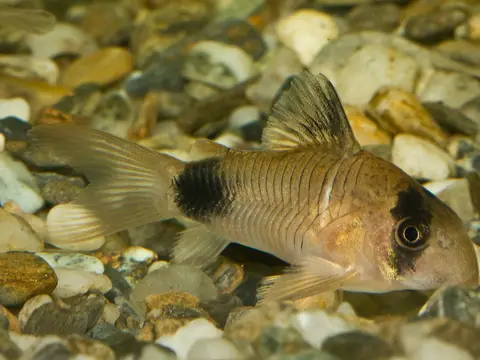 ProfilePanda cory
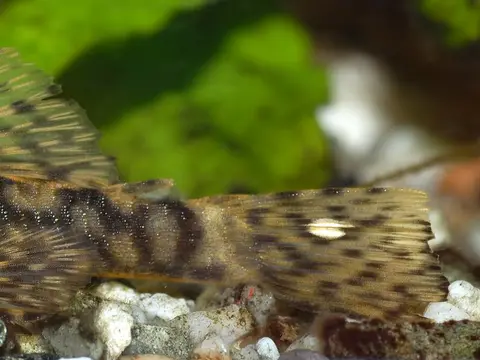 ProfileBristlenose pleco
- GuideCleaner fish for aquariums: the clean-up crew myth explained
- GuideHow Much and How Often to Feed Aquarium Fish
- GuideAquarium Water Changes: How Much, How Often and How To