If you buy through our links, Amazon pays us a small commission at no extra cost to you. That’s how we keep the site running. How we choose.
Aquarium mosses are small, fine-leaved plants that attach to wood, stone or mesh. They add a natural, aged look to any layout and are a favorite in shrimp tanks, because they trap biofilm and give baby shrimp and fry a safe place to hide.
- Java moss: the easiest of all; grows in low light, without CO2 and across a wide temperature range.
- Christmas moss: more structured, with triangular fronds; grows slower and looks neater.
- Flame moss: grows upward in twisted tufts, great for "trees" on wood.
- Marimo ball: technically an alga, not a moss; very slow, prefers cool water and should be turned occasionally. Buy from trusted sources, as some batches have carried invasive zebra mussels.
To attach moss, spread a thin layer over the surface and tie it with cotton thread or fishing line, or use a little gel glue. Thin layers attach better than thick clumps, whose lower parts turn brown.
Trim mosses regularly so they do not trap debris, and blow detritus out with a turkey baster during water changes. In tanks with excess nutrients and poor flow, mosses can tangle with hair algae, so keep good circulation and moderate light.
Aquarium mosses
| Species | Light | CO₂ | Temp. | Difficulty |
|---|---|---|---|---|
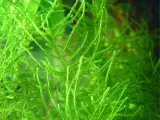 Java moss Taxiphyllum barbieri | Low | Not needed | 64–82 °F (18–28 °C) | Easy |
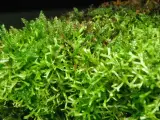 Christmas moss Vesicularia montagnei | Medium | Optional (helps) | 68–81 °F (20–27 °C) | Moderate |
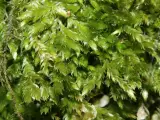 Flame moss Taxiphyllum sp. 'Flame' | Low | Optional (helps) | 64–82 °F (18–28 °C) | Easy |
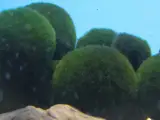 Marimo moss ball Aegagropila linnaei | Low | Not needed | 50–75 °F (10–24 °C) | Easy |
No species match those filters.