If you buy through our links, Amazon pays us a small commission at no extra cost to you. That’s how we keep the site running. How we choose.
Small crabs and dwarf crayfish are unusual pets with lots of personality. We cover only species that stay small and can live in a home setup, because large crayfish destroy plants, catch fish and, in many places, are invasive and restricted.
- Mexican dwarf orange crayfish (Cambarellus patzcuarensis): grows to about 1.5 inches (4 cm) and is much calmer than larger crayfish. It can live in a planted tank of 15 gallons (60 L) or more with plenty of hiding places, although it may catch slow fish and shrimp.
- Vampire crab (Geosesarma): a semi-terrestrial crab that needs a paludarium with land area, high humidity and a small water section, not a fully filled aquarium.
Both are escape artists: use a tight lid and cover any gaps around cables and pipes. During molting they are vulnerable; leave the old shell in the tank, since they eat it to recover minerals, and provide caves where they can hide.
Keep water clean and stable, avoid copper and give a varied diet of sinking pellets, vegetables and occasional protein. Before buying, check your state and local regulations: possession or transport of some crayfish is restricted. Never release crabs or crayfish outdoors.
Crabs and dwarf crayfish
| Species | Min. liters | Size | Temp. | Difficulty |
|---|---|---|---|---|
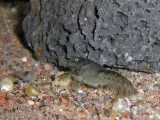 Mexican dwarf crayfish (orange) Cambarellus patzcuarensis | 14 gal (54 L) | 1.6 in (4 cm) | 64–77 °F (18–25 °C) | Easy |
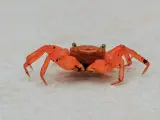 Vampire crab Geosesarma sp. | 11 gal (40 L) | 1.2 in (3 cm) | 72–82 °F (22–28 °C) | Moderate |
No species match those filters.